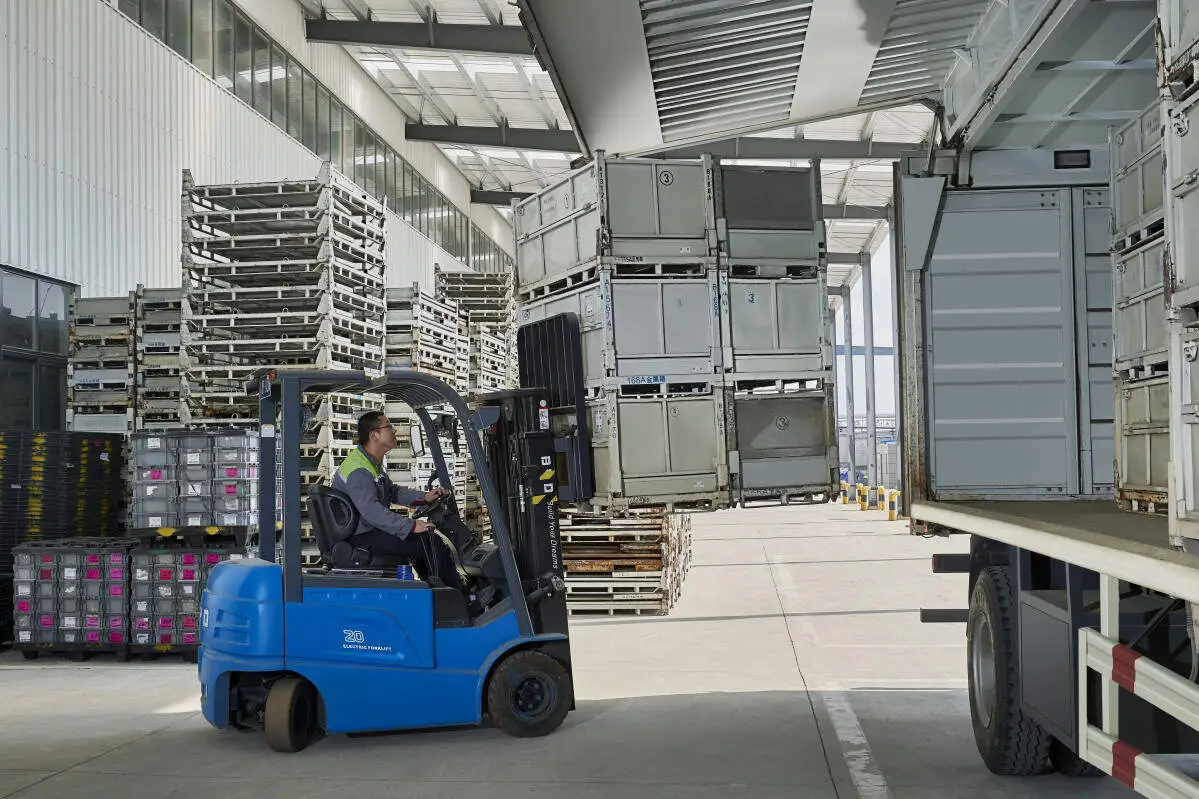
As a new forklift operator, mastering the core working principles is the first step toward safe and efficient operation. electric forklifts, widely used in warehouses, distribution centers, and indoor facilities, rely on coordinated systems to lift, move, and position loads. This guide breaks down these mechanisms in simple, easy-to-understand terms to help you build a solid operational foundation.
1. Power System: The heart of an electric forklift is its battery and electric motor. Lead-acid or lithium-ion batteries are commonly used, storing electrical energy that feeds into the motor, which converts it into mechanical power. This power drives the forklift’s wheels for forward and reverse movement, and also powers auxiliary components like the hydraulic pump. Unlike fuel-powered models, electric forklifts produce zero tailpipe emissions, making them ideal for enclosed spaces. It’s important to note that the battery’s charge level directly impacts performance—regular pre-shift checks ensure consistent power output during your workday.
2. Hydraulic System: This is the key component responsible for lifting, lowering, and tilting loads. The system uses a pump to force pressurized hydraulic fluid through a series of reinforced hoses and cylinders. When you engage the lift control lever, the pump pushes fluid into the lift cylinder, causing the piston to extend and raise the forks to the desired height. Lowering the forks involves releasing pressure, allowing fluid to flow back into the reservoir. The hydraulic system’s efficiency depends on proper fluid levels and leak-free connections; even small leaks can reduce lifting capacity and pose safety risks, so routine inspections are essential.
3. Steering System: Electric forklifts feature a compact, responsive steering mechanism optimized for tight spaces. Most models use rear-wheel steering, which enhances maneuverability in narrow aisles and crowded storage areas. The steering wheel connects to either a hydraulic or electric steering actuator that adjusts the angle of the rear wheels. This design allows the forklift to turn within a small radius, a critical feature for navigating complex warehouse layouts. New operators should practice steering in empty areas first to get accustomed to the rear-wheel turning dynamics, which differ significantly from standard passenger vehicles.
4. Braking System: Safety is paramount, so understanding the dual braking systems of electric forklifts is essential. Service brakes, activated by pressing the brake pedal, are used for immediate stops and slowdowns. Regenerative brakes, a unique feature of electric models, capture kinetic energy during deceleration and convert it back into electrical energy to recharge the battery. This not only extends battery life but also reduces wear on mechanical brake components, lowering long-term maintenance needs. Operators should familiarize themselves with both systems to ensure smooth, controlled stopping in all operational scenarios.
In summary, an electric forklift’s operation depends on the seamless coordination of its power, hydraulic, steering, and braking systems. By understanding each component’s role and how they work together, new operators can operate the equipment more confidently, reduce the risk of accidents, and perform tasks efficiently. Remember, regular maintenance and hands-on practice are key to mastering forklift operation. Take the time to review these principles regularly and apply them during training sessions to build a strong, safe operational skill set.