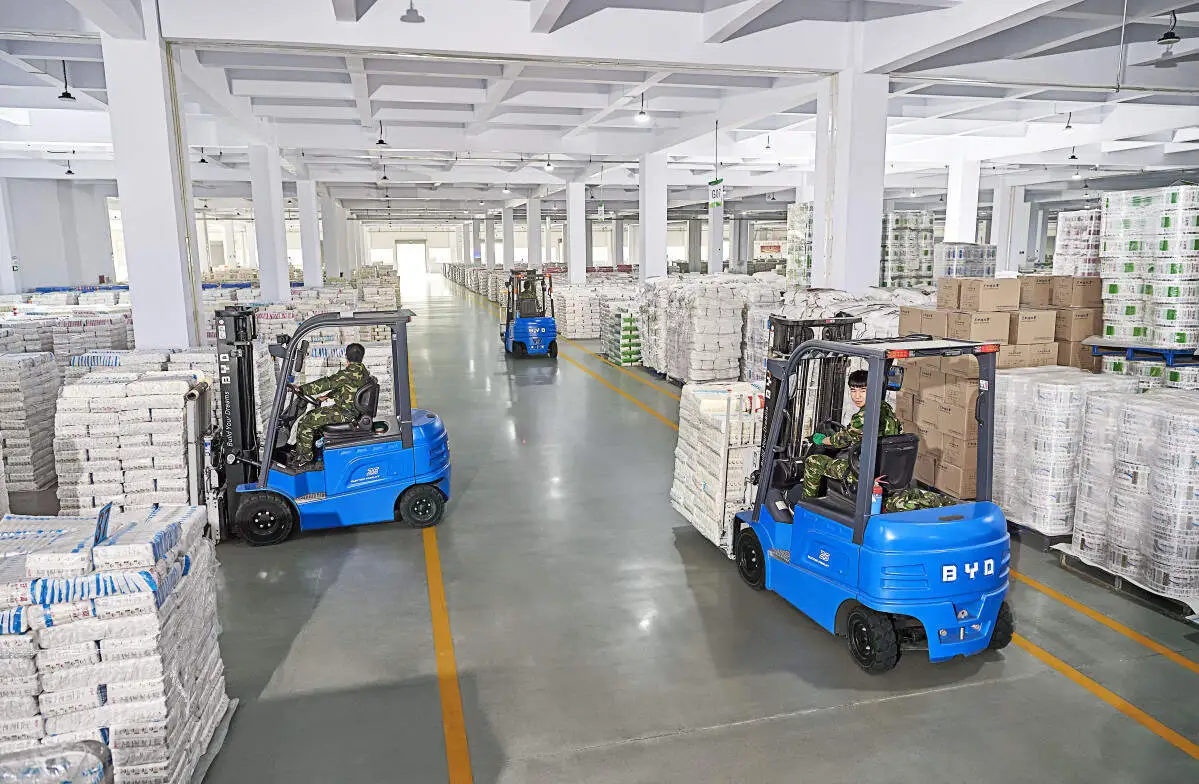
In today’s fast-paced warehouse operations, optimizing space and ensuring seamless material handling are top priorities. One critical factor that directly impacts both is selecting small forklifts with dimensions tailored to the specific layout of your warehouse. Mismatched equipment can lead to inefficient workflows, damaged inventory, and wasted space, making it essential to understand how small forklift measurements align with your facility’s unique requirements.
Narrow aisle warehouses, designed to maximize vertical storage and floor space, demand small forklifts with compact widths and tight turning radii. These facilities typically have aisle widths ranging from 6 to 8 feet, so forklifts with a width of 4 to 5 feet are ideal. A tight turning radius ensures the forklift can maneuver smoothly between racks without scraping inventory or structural elements. Additionally, the overall height of the forklift must be considered to avoid hitting overhead storage racks. For warehouses with high racking, low-profile small forklifts with reduced mast heights when lowered allow for easier navigation under overhead structures while still providing sufficient lift height for upper storage levels.
For smaller warehouses or storage areas with limited square footage, even more compact forklifts are necessary. Miniature small forklifts, often with widths under 4 feet and shorter wheelbases, can navigate through tight spaces that standard forklifts cannot access. These models are particularly useful for handling small loads in retail backrooms, small manufacturing facilities, or storage units where space is at a premium. It’s important to note that while these forklifts are smaller, their load capacity should still match the typical weight of items being moved to ensure safe and efficient operation.
Before selecting a small forklift, conducting a thorough assessment of your warehouse layout is crucial. Start by measuring aisle widths, overhead clearance heights, and turning zones at corners and intersections. Take note of any obstacles such as support columns, loading docks, or doorways that may affect maneuverability. Compare these measurements to the forklift’s key dimensions, including overall width, height (with mast lowered and raised), turning radius, and wheelbase. This comparison will help you identify which forklift model can navigate your warehouse without compromising on performance or safety.
Matching small forklift dimensions to your warehouse layout offers numerous long-term benefits. It improves operational efficiency by reducing the time spent maneuvering around obstacles, allowing workers to move materials more quickly. It also minimizes the risk of damage to both inventory and the warehouse structure, lowering maintenance and replacement costs. Furthermore, optimized equipment selection can enhance worker safety by reducing the likelihood of collisions and ensuring that forklifts can operate comfortably within the available space.
In conclusion, understanding small forklift dimensions and how they align with your warehouse layout is a critical component of effective material handling. By taking the time to assess your facility’s needs and select equipment that fits perfectly, you can create a more efficient, safe, and cost-effective warehouse operation. Whether you’re operating a narrow aisle warehouse or a small storage facility, the right small forklift dimensions can make a significant difference in your daily workflows and overall productivity.