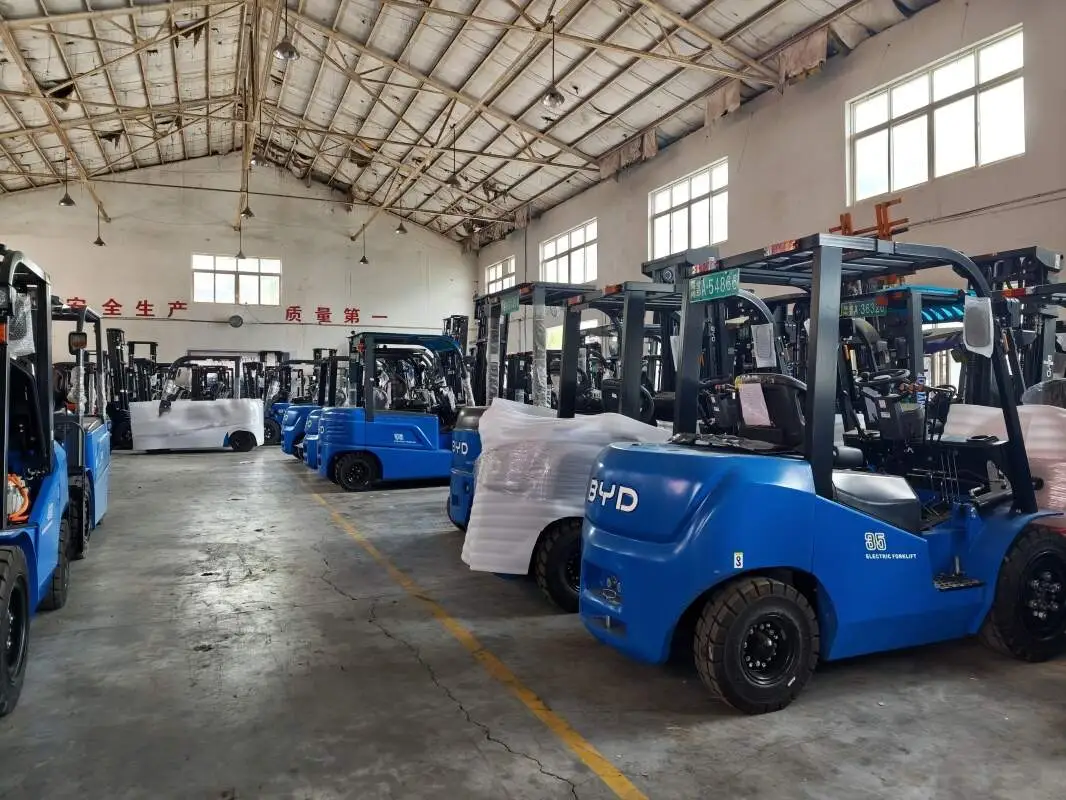
Stand-up forklifts are workhorses in warehouses, distribution centers, and manufacturing facilities, streamlining material handling operations daily. When fault codes appear on their control panels, they signal underlying issues that can disrupt productivity, increase downtime, and pose safety risks. Understanding how to interpret and resolve these common fault codes is essential for fleet managers and maintenance technicians to keep equipment operating reliably.
One of the most frequent fault codes indicates low battery voltage. This issue often stems from loose or corroded battery terminals, a malfunctioning charging system, or a degraded battery nearing the end of its lifespan. To resolve it, start by inspecting the battery terminals for corrosion or tightness; clean any buildup with a wire brush and tighten loose connections. Next, test the charging system to ensure it delivers the correct voltage—if not, check the alternator or charger for faults. If the battery fails load testing, replacement may be necessary to restore proper power.
Hydraulic system malfunction fault codes typically point to insufficient hydraulic fluid, clogged filters, or leaky hoses. Begin troubleshooting by checking the hydraulic fluid level against standard guidelines; top it up with the recommended fluid if low. Inspect the hydraulic filter for debris or clogs, replacing it if needed to maintain fluid flow. Then, examine all hydraulic hoses and connections for leaks, tightening fittings or replacing damaged hoses to prevent pressure loss. Regular system flushes can also help prevent future faults by removing contaminants.
Brake-related fault codes require immediate attention for safety. Common causes include worn brake pads, faulty brake sensors, or air bubbles in hydraulic brake lines. Start by inspecting brake pad thickness—replace them if below the minimum recommended level. Test brake sensors to ensure proper function; a faulty sensor may need calibration or replacement. If the brake pedal feels spongy, bleed the lines to remove air bubbles that impair performance. Regular brake inspections can catch issues early before they trigger fault codes.
Preventive maintenance is key to reducing fault code occurrences. Implement a regular schedule for diagnostic scans to identify potential issues before they escalate. Keep sensors and control panels clean to avoid false triggers caused by dust or debris. Train operators to recognize basic fault codes and report them immediately, ensuring timely repairs. By following these troubleshooting steps and prioritizing preventive care, you can minimize downtime, extend equipment lifespan, and maintain a safe, efficient material handling operation.