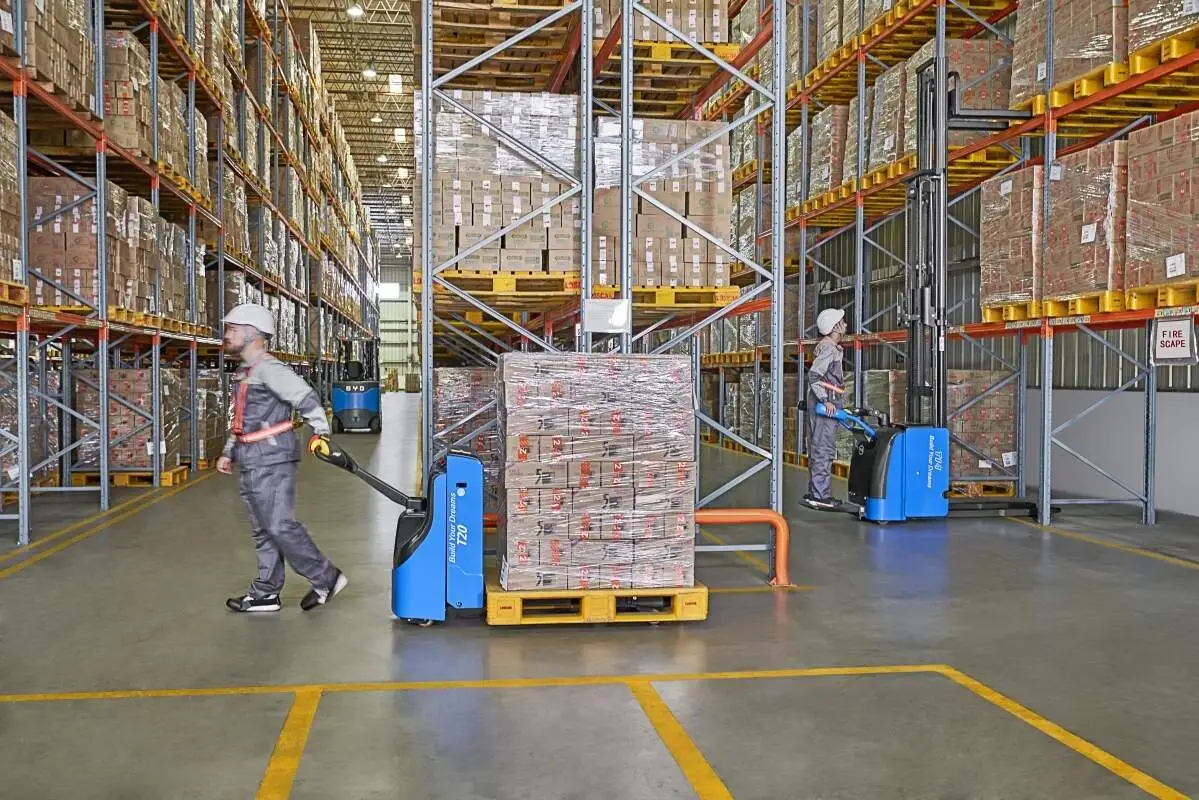
For hobbyists passionate about restoring vintage RC stand-up forklifts, finding the right replacement parts can be a daunting yet rewarding task. Whether you’re repairing a decades-old model or upgrading a used unit, a strategic sourcing approach ensures your project stays on track and your forklift performs as intended.
Start with targeted online channels. Specialized model hobby forums are treasure troves of information, where seasoned enthusiasts often sell or trade hard-to-find parts. These platforms also let you ask specific questions about part compatibility, leveraging collective knowledge to avoid costly mistakes. General online marketplaces for used goods are another option, but be sure to filter listings by model specifications and carefully review photos to check for wear or damage. For newer models, official service portals (where available) offer genuine replacement parts, though they may come at a premium.
Offline sources shouldn’t be overlooked. Local hobby shops often stock a range of standard RC forklift parts, and staff members with niche expertise can guide you to compatible alternatives if exact matches aren’t available. Attending model swap meets or hobby conventions is also a great way to connect with sellers and find rare parts in person, allowing you to inspect items before purchasing.
Before committing to a purchase, verifying part compatibility is critical. Cross-reference the part’s dimensions, serial numbers, and design features with your forklift’s original manual or technical documentation. If documentation is missing, measure existing parts precisely and compare them to listed specifications. Many online sellers provide detailed measurements, so don’t hesitate to request additional photos or data if needed. Consulting with other restorers who have worked on the same model can also confirm whether a part will fit and function correctly.
Assessing part quality is equally important. For mechanical components like gears or hydraulic parts, check for signs of corrosion, excessive wear, or cracks. Electrical parts such as motors or wiring should be tested if possible, or purchased from sellers who offer a short return window in case of defects. For plastic components, ensure there are no warps or breaks that could compromise structural integrity.
Finally, consider building a small inventory of common replacement parts once your restoration is complete. This saves time on future repairs and ensures you’re prepared if a component fails unexpectedly. By combining thorough research, careful verification, and a diverse sourcing strategy, hobbyists can successfully find the parts needed to bring their RC stand-up forklifts back to life.