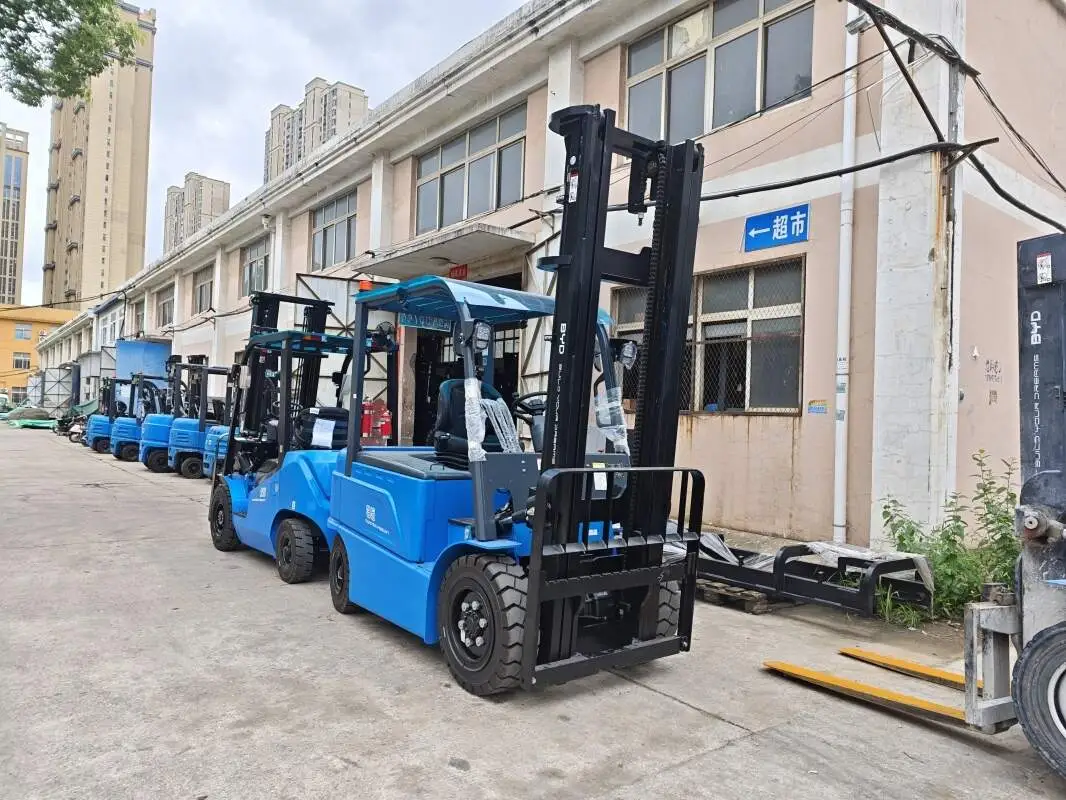
Spade attachments are specialized accessories designed to extend the functionality of standard forklift equipment, transforming these versatile machines into efficient tools for handling bulk or loose materials that are not easily managed with traditional forks. Unlike standard forks that excel at moving palletized loads, spade attachments feature a wide, curved or flat blade that can scoop, lift, and transport materials such as soil, gravel, sand, or debris with greater ease, eliminating the need for additional containers in many scenarios.
The core functions of a forklift spade attachment center on boosting material handling flexibility. First, it enables operators to directly scoop loose materials from ground-level piles, streamlining processes that would otherwise require manual labor or specialized machinery. Second, the attachment supports site cleanup, allowing crews to clear construction debris, agricultural waste, or warehouse floor accumulations quickly. Some models include reinforced edges to handle heavier, abrasive materials, making them suitable for heavy-duty industrial tasks that demand durability.
Across diverse industries, these attachments prove to be invaluable assets. In construction, they assist with site preparation by moving soil and gravel, as well as clearing demolition waste to keep projects on schedule. In agriculture, farmers use spade attachments to transport feed, grain, or manure, simplifying the handling of bulk agricultural products. Warehouse and logistics operations rely on them to manage loose packing materials like wood chips or plastic pellets that accumulate in storage areas. Municipal departments also utilize spade attachments for street cleaning, snow removal, and park maintenance tasks, adapting the forklift to seasonal and daily public needs.
To ensure safe and effective use of forklift spade attachments, several critical guidelines must be followed. Operators must strictly adhere to the combined load capacity specified by both the attachment and forklift manufacturer, as overloading can lead to equipment instability or damage. Proper training is essential, as operating a forklift with a spade attachment requires distinct techniques—such as adjusting the blade angle to prevent material spillage and maintaining slow, controlled movements during lifting and transport. Regular maintenance is also key: inspecting the attachment for wear, cracks, or loose components before each use can prevent breakdowns and extend its service life. Finally, operators should always conduct a pre-operation check of the work environment, ensuring no obstacles or personnel are in the path before operating the equipment.
By integrating a spade attachment into their forklift fleet, businesses can enhance operational efficiency, reduce reliance on specialized machinery, and tackle a broader range of material handling tasks. This versatile accessory offers a cost-effective way to maximize the utility of standard forklift equipment, making it a practical investment for industries ranging from construction and agriculture to logistics and municipal services.