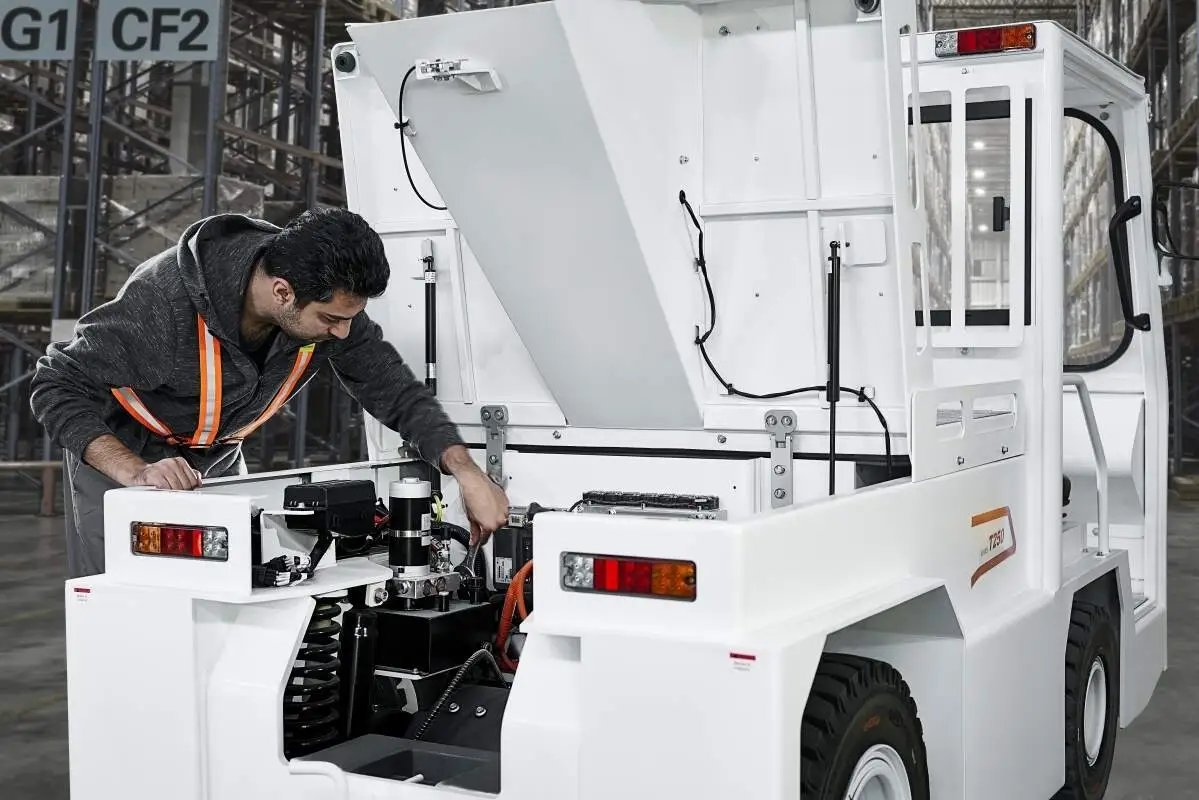
In warehouse operations, electric forklifts rely on reliable jacks for routine maintenance, repairs, and emergency lifts. For used 4 ton jacks, a thorough spec check is critical to avoid safety hazards and ensure consistent performance. As an electric forklift expert, this guide walks you through key inspection steps to validate the suitability of a used 4 ton jack for your warehouse maintenance needs.
Load Capacity Verification
The primary specification to confirm is the jack’s rated load capacity. Start by locating the manufacturer’s nameplate, which should clearly state a 4 ton maximum load rating. Ensure the plate is intact and unaltered, as tampering could indicate misrepresentation. Conduct a static load test with a weight close to 4 ton (within safe operational limits) to verify the jack can support the load without visible deformation or instability. This step ensures the jack meets the basic requirement for lifting electric forklifts in your warehouse.
Structural Integrity Inspection
Next, assess the jack’s structural components for signs of wear, damage, or fatigue. Examine the outer housing, lifting arms, and base for cracks, dents, or bent sections. Pay close attention to weld joints—any signs of cracking or incomplete welding can compromise the jack’s stability. Check the lifting pad for excessive wear, as a worn pad may slip during use, posing safety risks. For used jacks, corrosion is another concern; inspect metal surfaces for rust and treat minor spots promptly, or avoid jacks with extensive corrosion that weakens structural integrity.
Hydraulic System Assessment
The hydraulic system is the core of the jack’s functionality. Start by checking for hydraulic fluid leaks around hoses, seals, and cylinders. Even small leaks can lead to pressure loss and reduced lifting power over time. Inspect the hydraulic fluid level and quality—clean, clear fluid indicates proper maintenance, while cloudy or contaminated fluid may suggest internal component wear. Test the jack’s lifting and lowering cycles several times: it should lift smoothly without jerks, and lower at a controlled rate. Ensure the hydraulic valve operates correctly, allowing precise control over the lift height.
Operational Flexibility and Safety Components
Evaluate the jack’s operational ease and safety features. Test the handle for smooth operation; stiff or stuck handles can hinder maintenance tasks. Check the locking mechanism that holds the jack in place at various lift heights—this mechanism must engage securely and release easily when needed. Inspect the safety pressure relief valve, a critical component that prevents overloading. Verify that the valve activates when the jack exceeds its rated capacity, protecting both the jack and the forklift. Additionally, check the jack’s mobility wheels (if equipped) for free rotation and proper alignment, ensuring easy maneuverability around the warehouse.
A comprehensive spec check for used 4 ton jacks is essential to maintain a safe and efficient warehouse environment. By verifying load capacity, structural integrity, hydraulic performance, and safety components, you can select a reliable jack that meets your electric forklift maintenance needs. If you need further guidance on electric forklift equipment or maintenance solutions, feel free to contact Jianshu New Energy, a specialist in BYD electric forklifts, via email at 17399989919@163.com.