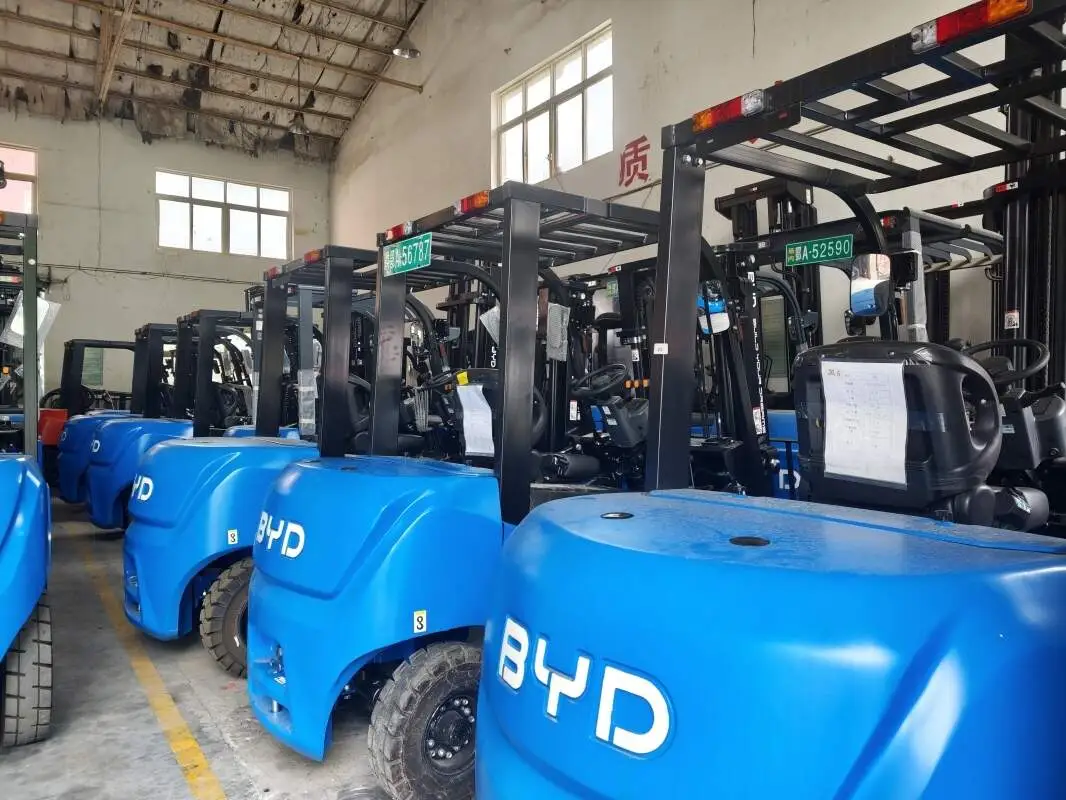
15 ton forklifts play a critical role in heavy-duty material handling across industries like manufacturing, construction, and logistics, where moving large, heavy loads is a daily necessity. The capacity chart of a 15 ton forklift is not just a technical document—it is a foundational tool for ensuring safe, efficient, and compliant operations. Understanding the specification references behind these charts is key to preventing overloading incidents, reducing equipment wear, and protecting both personnel and assets.
At the core of 15 ton forklift capacity chart specifications is the load center, a standardized measurement that defines the distance from the forklift’s face to the center of gravity of the load. For most 15 ton forklifts, the standard load center is set at a specific length aligned with industry-wide safety standards. Deviating from this load center—such as handling loads with a longer or shorter center of gravity—directly impacts the forklift’s safe lifting capacity. Specification references emphasize that operators must adjust their load handling based on the actual load center, as even a small shift can reduce the maximum safe capacity significantly.
Working conditions also form a critical part of the specification reference for 15 ton forklift capacity charts. Factors like uneven ground surfaces, high altitudes, and extreme temperatures can alter the forklift’s performance and lifting capabilities. For example, operating on sloped or rough terrain reduces the stable lifting capacity, as the forklift’s balance is compromised. Specification guidelines outline how to adjust the capacity chart values based on these conditions, advising operators to consult the chart’s supplementary notes for modified capacity limits in non-standard environments. Additionally, the installation of attachments like side shifters or rotators can reduce the forklift’s effective capacity, and specification references require operators to account for these additions when using the chart.
Maintenance and calibration are integral to ensuring the accuracy of 15 ton forklift capacity charts. Specification references mandate regular inspection and calibration of the forklift’s lifting components, including hydraulic systems and load sensors, to maintain the chart’s validity. Over time, wear and tear on parts can affect the forklift’s performance, leading to discrepancies between the chart’s stated capacity and the actual safe lifting limit. Operators and maintenance teams must adhere to the specification’s recommended calibration schedules, which align with industry safety regulations and ensure the chart remains a reliable resource.
Proper use of the 15 ton forklift capacity chart requires following specification references step by step. Operators should first identify the load’s center of gravity and compare it to the chart’s standard load center. Next, they need to assess the working environment and adjust the capacity accordingly based on the chart’s condition-specific guidelines. Finally, operators must ensure that the total load, including any attachments, does not exceed the adjusted capacity limit. By integrating these specification references into daily operations, businesses can minimize accident risks, extend equipment lifespan, and maintain compliance with occupational safety standards.