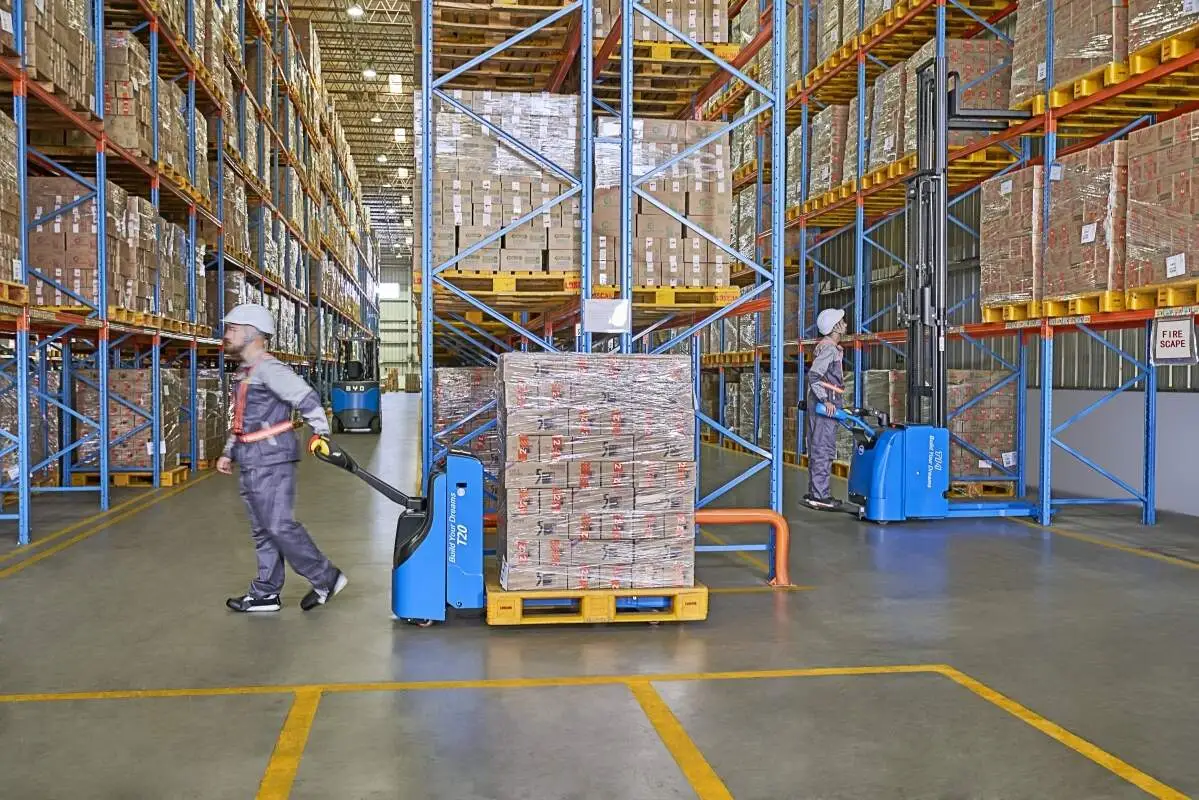
forklift trucks are essential tools in warehouses, manufacturing facilities, and distribution centers, but their operation carries inherent safety risks. Properly designed and installed operating warning signs play a critical role in mitigating these risks, guiding operators and pedestrians to act safely around these heavy machines. This specification reference outlines key standards and guidelines for forklift truck operating warning signs to ensure consistency, visibility, and compliance with global safety regulations.
Core Specification Requirements for Warning Signs
- Dimensions: The size of warning signs should align with viewing distances. In large open spaces where forklifts operate at higher speeds, signs should measure at least 30cm x 30cm to be visible from 10 meters away. In narrower aisles, 20cm x 20cm signs may suffice, but they must remain easily noticeable.
- Material Selection: Signs must be crafted from durable, weather-resistant materials suited to industrial environments. Options include rigid plastic, aluminum, or vinyl with a UV-resistant coating to prevent fading from prolonged exposure to sunlight or indoor lighting. Reinforced materials are recommended for areas prone to impact to avoid damage from accidental forklift contact.
- Color and Graphic Standards: Adhering to international safety color codes, warning signs use high-contrast combinations. Yellow backgrounds with black text/graphics serve cautionary messages, while red backgrounds with white text mark prohibitive rules (e.g., "No Unauthorized Operation"). Graphics should be simple, universally understood symbols to overcome language barriers in multilingual workplaces.
- Text Clarity: Text should use bold, sans-serif fonts for easy readability from afar. For larger signs, main message font size should be at least 5cm, allowing operators to quickly comprehend information without diverting focus from operating the forklift.
Common Types of Forklift Operating Warning Signs
1. Speed Limit Signs: These specify maximum allowable speeds for different zones—5km/h in pedestrian-heavy areas and 10km/h in open warehouse spaces—to enforce controlled movement and prevent collisions.
2. No Passenger Signs: Prohibiting unauthorized personnel from riding on forklifts, these signs reduce fall or injury risks from unstable movement. They should be placed near forklift parking areas and operator stations.
3. Pedestrian Warning Signs: Located at aisle intersections, warehouse entrances, and blind spots, these signs alert operators to watch for pedestrians and remind pedestrians to stay vigilant, using paired symbols of a walking figure and forklift.
4. Load Capacity Signs: Mounted directly on forklifts, these indicate maximum safe lifting weights, preventing overloading that could cause tip-overs or structural damage.
5. Charging Area Warning Signs: For electric forklifts, these mark designated charging zones, alerting operators to avoid parking or operating near charging equipment to prevent electrical hazards.
Installation and Maintenance Guidelines
- Placement: Signs should be installed in unobstructed locations visible to both operators and pedestrians, including aisle entrances, blind corners, loading docks, charging stations, and pedestrian crosswalks. Avoid positions behind storage racks or equipment that block visibility.
- Height: The bottom edge of signs should sit between 1.5 meters and 2 meters above ground, aligning with the average eye level of standing pedestrians and seated operators for optimal visibility.
- Regular Maintenance: Facility managers should conduct monthly inspections. Faded, cracked, or damaged signs must be replaced immediately, and signs should be cleaned regularly to remove dust or debris that obscures messages.
By following these specifications, businesses can foster a safer work environment, reduce accident risks, and ensure compliance with occupational safety regulations. Proper warning signs protect operators, pedestrians, and other workers, contributing to a more efficient and secure workplace.