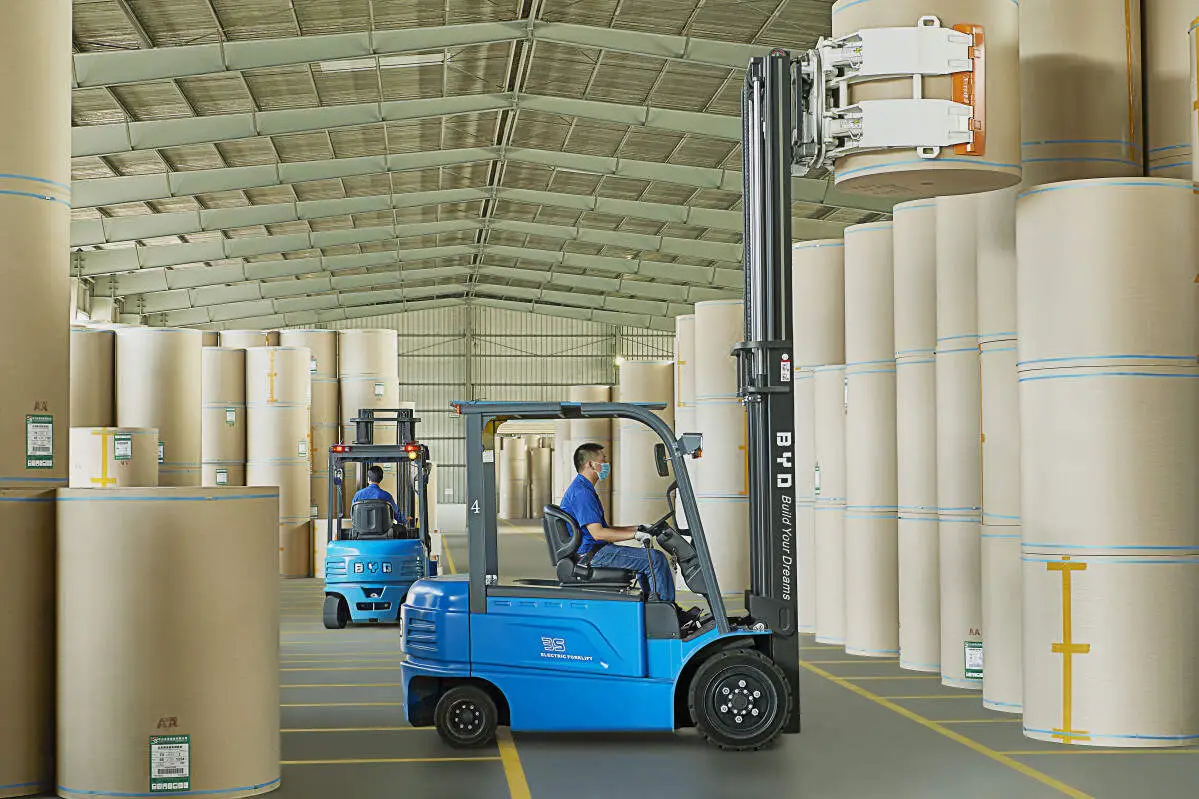
When it comes to industrial forklift operations, the width of the fork blade plays a critical role in ensuring safe, efficient, and stable material handling. For electric forklifts, which are widely used in warehouses, distribution centers, and manufacturing facilities, selecting the right fork blade width is even more essential due to their specific load distribution characteristics.
First, let’s look at the standard dimension references based on load capacity. For light-duty electric forklifts designed to handle loads between 1 to 3 tons, the typical fork blade width ranges from 100mm to 120mm. This width is ideal for handling standard small-sized pallets and light goods, offering a good balance between maneuverability and load stability.
For medium-duty electric forklifts with a load capacity of 3 to 5 tons, the recommended fork blade width falls between 120mm and 150mm. This wider blade provides better support for heavier pallets and reduces the risk of load shifting during transportation. It is suitable for most common industrial applications, including moving palletized goods in mid-sized warehouses.
For heavy-duty electric forklifts that handle loads over 5 tons, the fork blade width should be between 150mm and 200mm. The increased width distributes the heavy load more evenly across the fork blades, minimizing stress on the forklift’s structure and ensuring safe operation when handling large or bulky items.
Beyond load capacity, several other factors need to be considered when choosing fork blade width. The size of the pallets or materials being handled is a key factor. Most standard industrial pallets have a width that pairs well with mid-range fork blade widths, but custom-sized pallets may require narrower or wider blades to ensure proper support.
Operating environment is another important consideration. In narrow aisles or confined spaces, narrower fork blades (100mm-120mm) allow for better maneuverability, reducing the risk of collisions with racks or other equipment. In open areas with ample space, wider fork blades can be used to enhance load stability, especially when handling uneven or bulky loads.
It’s also worth noting that regular inspection and maintenance of fork blades are necessary to ensure they remain within the standard dimensions. Wear and tear can reduce the effective width of the blades over time, compromising load stability and safety.
If you’re looking for professional guidance on selecting the right fork blades for your electric forklifts, Jianshu New Energy specializes in BYD electric forklifts and can provide tailored advice based on your specific operational needs. Feel free to reach out to us via email at 17399989919@163.com for more information.