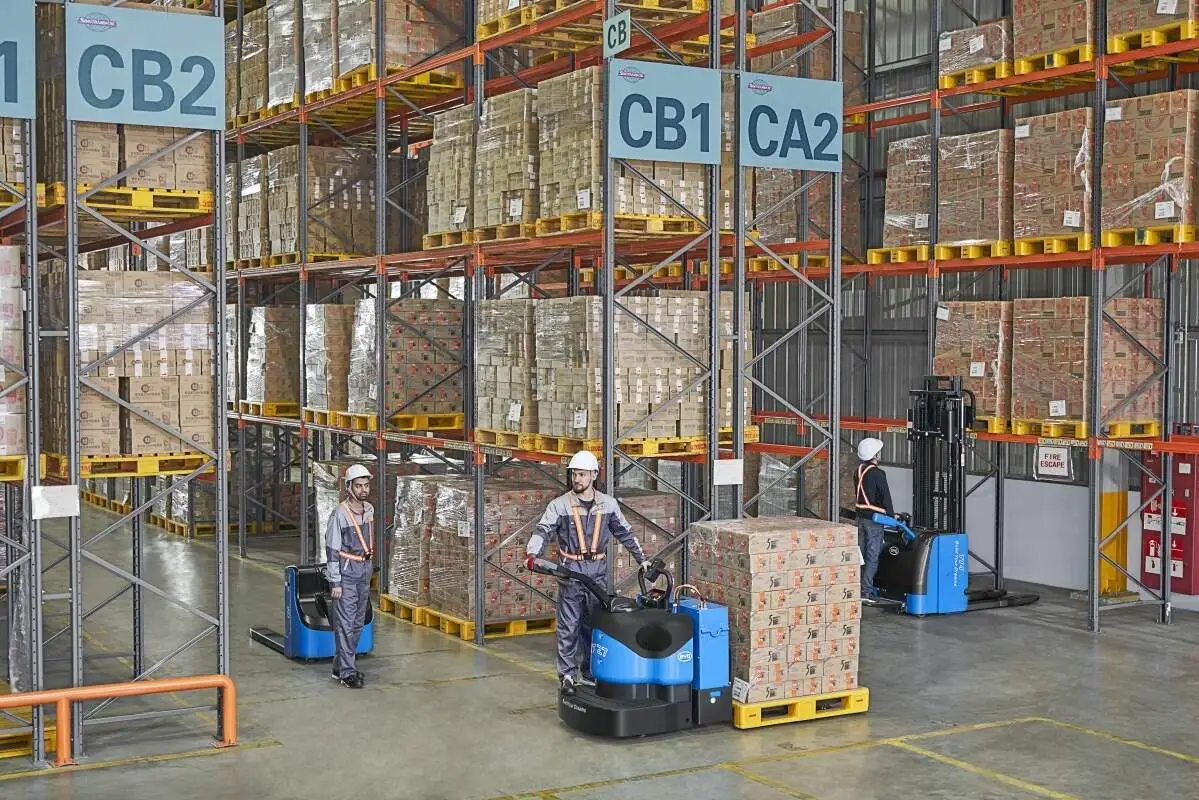
Industrial forklift forks are critical components for safe and efficient material handling, and 72-inch models are widely used in warehouses, manufacturing facilities, and construction sites for moving medium to large loads. Understanding their standard dimensions is essential for ensuring compatibility with forklift models, compliance with industry safety standards, and optimal load management.
The primary standard dimensions of 72-inch industrial forklift forks revolve around three key measurements: length, thickness, and width. As the name suggests, the nominal length of these forks is 72 inches from the tip to the base where they attach to the forklift’s carriage. However, the usable load-bearing length may be slightly shorter, typically ranging from 68 to 70 inches, to account for the heel section that secures the fork to the carriage. Standard thickness usually falls between 1.5 to 2 inches, depending on the load capacity rating of the fork, with thicker forks designed to handle heavier weights. Width measurements commonly range from 4 to 6 inches, providing a stable base for pallets and other load carriers.
Beyond these core dimensions, other critical specifications include the fork’s hook dimension, which refers to the area that fits into the forklift’s carriage brackets. This dimension must match the carriage’s opening to ensure a secure fit, preventing accidental detachment during operation. Industry guidelines specify that 72-inch forks should be paired with forklifts that have a load capacity ranging from 5,000 to 10,000 pounds, though this can vary based on the fork’s material and construction.
Regular inspection of fork dimensions is also vital for safety. Over time, forks can bend, crack, or wear down, altering their original dimensions and reducing load-bearing capacity. Operators should check for signs of wear in the heel section, tip, and side surfaces, and replace forks if their thickness falls below 90% of the original standard dimension. This helps avoid potential accidents, such as load collapse or fork failure, which can lead to equipment damage and worker injury.
In summary, understanding the standard dimensions of 72-inch industrial forklift forks is key to selecting the right components for your material handling needs, ensuring compliance with safety standards, and extending the lifespan of your equipment. By adhering to these specifications and conducting regular inspections, businesses can maintain a safe and efficient workplace while maximizing the performance of their forklift operations.