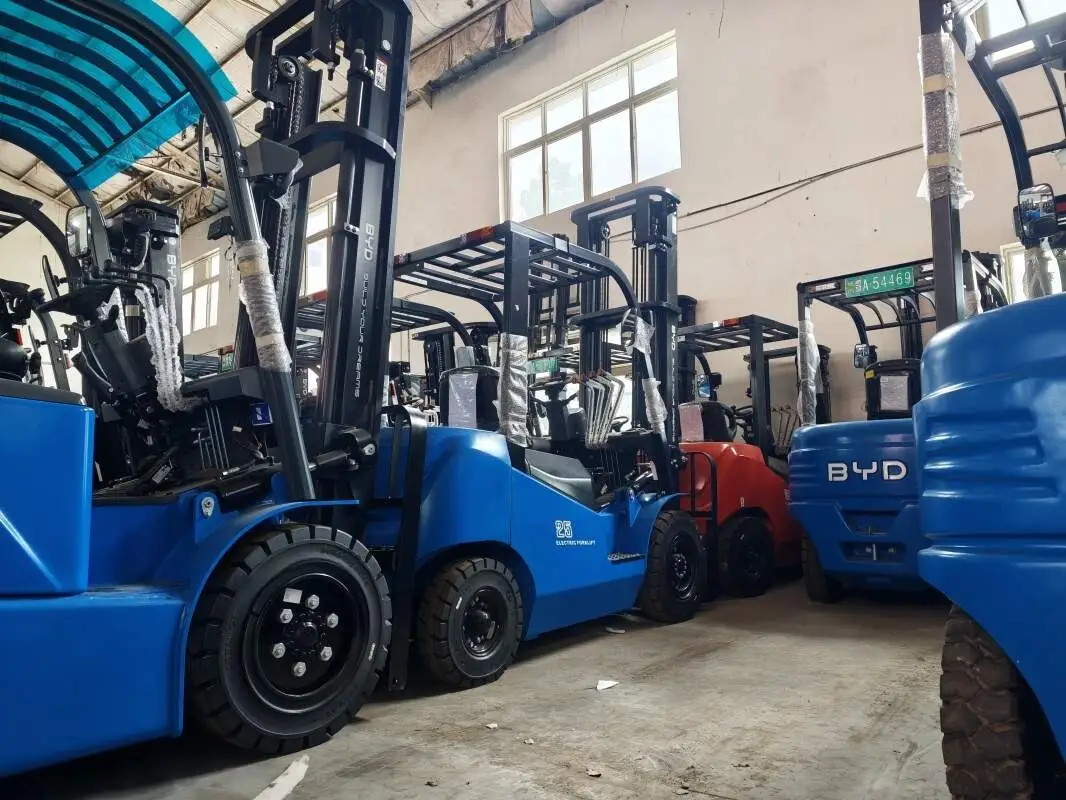
Workplace safety is a top priority when operating heavy equipment like electric forklifts, and implementing a standardized Lock Out Tag Out (LOTO) procedure is critical to preventing accidental startup, energy release, and potential injuries. Electric forklifts rely on battery power and hydraulic systems, which can store residual energy even when turned off, making proper LOTO non-negotiable for maintenance, repair, or cleaning tasks.
The first step in the LOTO process is preparation. All workers involved in forklift maintenance must complete certified training to identify all energy sources specific to electric forklifts, including battery terminals, hydraulic line valves, and control circuit switches. They should also understand the risks of unplanned energy release, such as sudden movement, hydraulic pressure spikes, or electrical shocks. Before initiating LOTO, workers must notify all relevant team members, including operators, supervisors, and nearby staff, that the forklift will be taken out of service for maintenance.
Next, the forklift must be properly shut down following manufacturer-recommended steps. This includes turning off the ignition switch, engaging the parking brake, lowering the forks to the ground, and disconnecting the battery connector if applicable. Once shut down, workers must isolate all energy sources. For electric forklifts, this may involve locking the main power switch with a padlock, securing hydraulic valves with lockout devices, and covering battery terminals with insulated caps to prevent accidental contact. Each lock should be unique to the worker performing the task, ensuring only they can remove it.
After isolating energy sources, verification is a critical step to confirm that all energy has been effectively cut off. Workers should attempt to start the forklift, activate hydraulic controls, and test other systems to ensure no power or pressure remains. This step eliminates the risk of residual energy causing unexpected movement or operation during maintenance. Once verified, a clearly labeled LOTO tag must be attached to each lockout device. The tag should include the worker’s name, date, time, and reason for the lockout, providing clear visibility to others that the equipment is not to be operated.
When maintenance tasks are complete, workers must follow a structured process to restore the forklift to service. First, they should inspect the equipment to ensure all tools, parts, and debris have been removed, and all components are properly reassembled. Then, they must notify all previously informed personnel that the lockout is being lifted. Before removing locks and tags, workers should double-check that no one is still working on or near the forklift. Locks and tags should be removed only by the worker who applied them, or under their direct supervision if necessary. Finally, the forklift should be tested briefly to ensure all systems operate correctly before returning it to regular use.
Regular audits and refresher training are essential to maintaining LOTO compliance. Employers should conduct periodic inspections of LOTO procedures to identify gaps, update protocols as needed, and ensure all workers understand their responsibilities. By adhering to these standard LOTO procedures, workplaces can significantly reduce the risk of forklift-related accidents, protect employee well-being, and maintain a safe and productive environment.