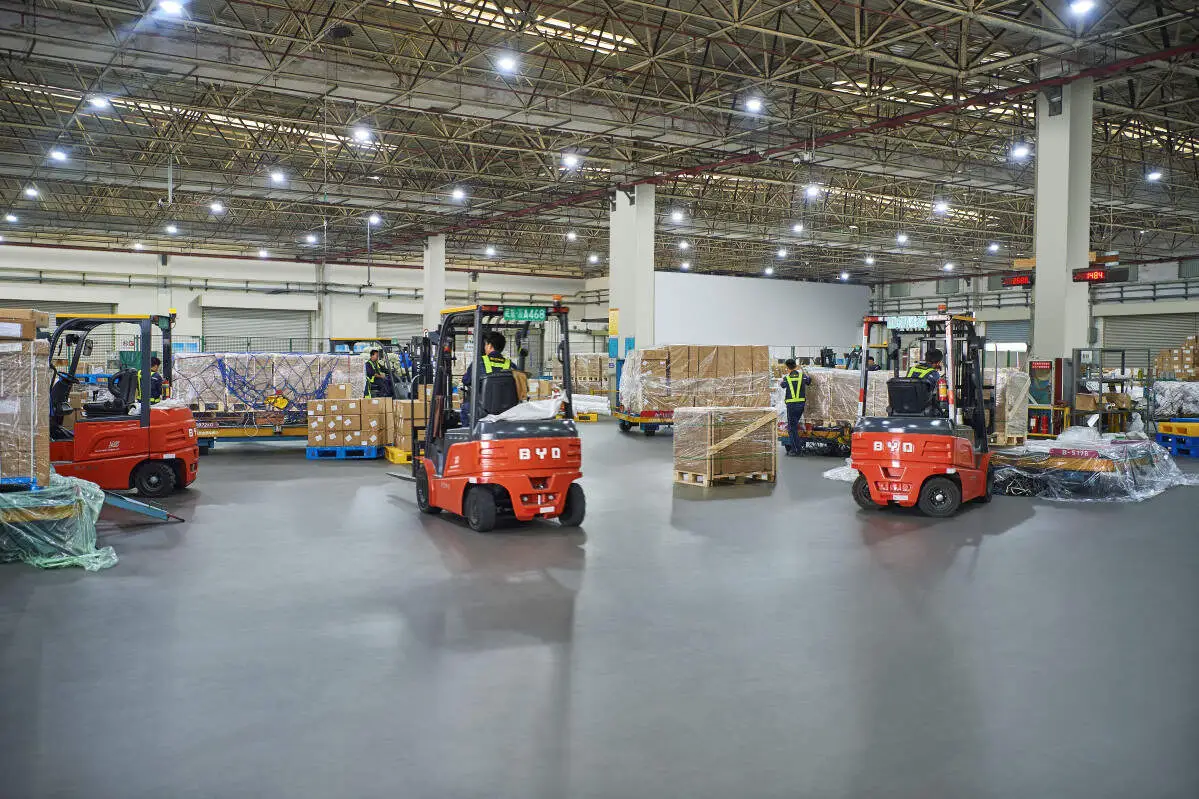
Operating electric forklifts in industrial warehouses, distribution centers, or outdoor work sites requires robust lighting systems to minimize accident risks and ensure safe operations. Adhering to standard lighting configuration requirements is both a regulatory obligation and a critical measure to protect operators, pedestrians, and valuable on-site assets. These standards are tailored to address visibility needs across diverse operating conditions, from dimly lit narrow aisles to low-light outdoor environments.
Front lighting is a foundational component of compliant electric forklift setups. Standard regulations mandate at least two high-intensity front headlights on every electric forklift. These lights must deliver sufficient illumination to clearly identify obstacles, pedestrians, and safety signage from a minimum distance specified by regional safety bodies—typically 10 to 20 meters. Brightness levels must meet defined lumen thresholds to ensure consistent visibility without causing glare that could impair the vision of oncoming operators or nearby personnel. Some regions also require adjustable beam settings to adapt to different spaces, such as tight warehouse aisles versus open outdoor yards.
Rear lighting and warning indicators are equally vital for forklift safety. Standard configurations include red rear taillights to signal the forklift’s presence to individuals behind it, alongside flashing amber warning lights that alert nearby staff of the vehicle’s movement. Reverse lights are mandatory in most jurisdictions to enhance visibility when the forklift is backing up, especially in areas with limited overhead lighting. These rear lights must be positioned at specific heights and angles to ensure maximum visibility, even in crowded or cluttered workspaces.
Side marker lights form another key element of compliant lighting systems. These low-intensity lights are installed along the forklift’s sides to outline the vehicle’s dimensions, helping pedestrians and other equipment operators judge its width and position in tight spaces. For forklifts operating in high-traffic areas or low-visibility environments, additional side illumination may be required to highlight the vehicle’s presence during turns or lane changes.
Beyond basic components, standard requirements also cover lighting for specialized operating conditions. Forklifts used in cold storage facilities or outdoor sites with fog, rain, or snow may need supplementary fog lights to cut through low-visibility conditions. Regular maintenance is also a mandatory part of compliance: operators must conduct daily inspections to ensure all lights function correctly, replace burnt-out bulbs promptly, and clean lenses to maintain optimal brightness. Regional safety authorities often conduct periodic audits to verify that forklift lighting configurations meet all applicable standards.
In summary, adhering to standard electric forklift lighting configuration requirements is essential for maintaining a safe, compliant work environment. By ensuring all mandatory lighting components are present, functional, and meet brightness and positioning standards, businesses can reduce accident risks, protect their workforce, and avoid regulatory penalties. Staying updated on the latest lighting standards ensures electric forklifts operate safely across evolving work settings.