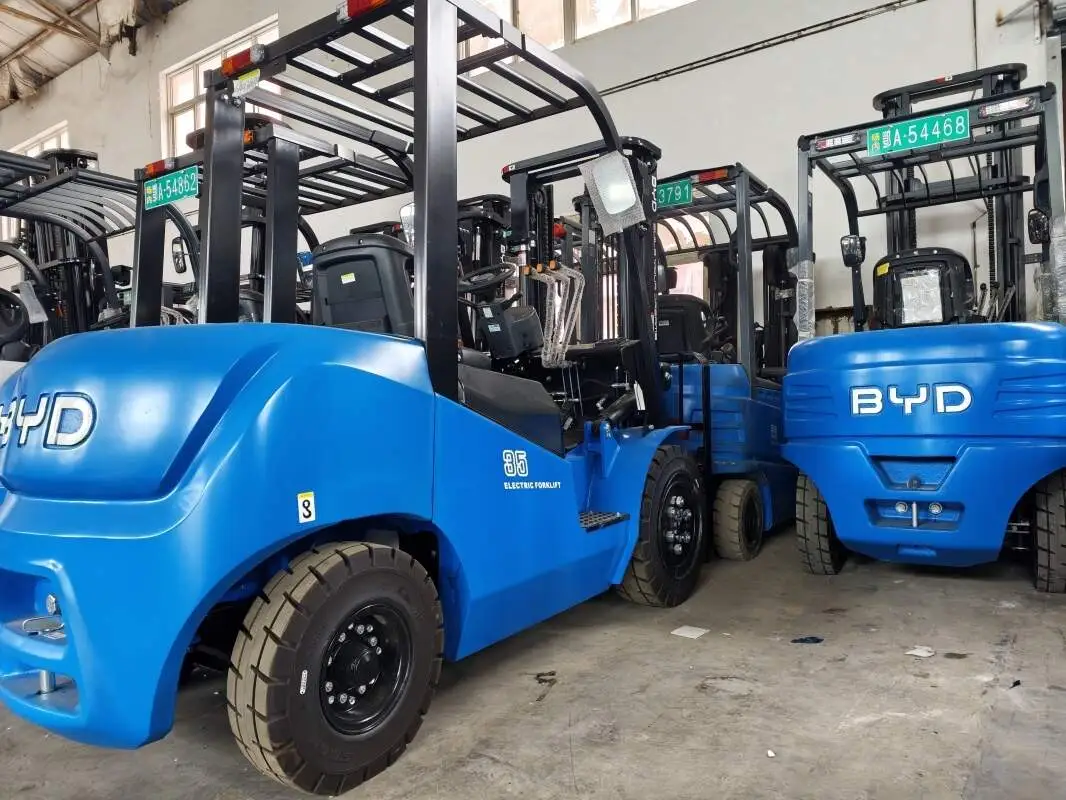
Pre-shift inspections are a non-negotiable component of safe and efficient rough terrain forklift operation. These proactive checks help identify potential equipment issues before they escalate into safety hazards or costly downtime, protecting operators, workplace assets, and overall productivity. Below is a structured, step-by-step workflow tailored to rough terrain forklift operators, designed to ensure thoroughness and compliance with industry safety standards.
Start with an exterior visual walkaround to assess basic equipment condition. Begin by inspecting the tires: check for excessive wear, cuts, punctures, or embedded debris that could compromise traction on uneven surfaces. Verify tire pressure matches manufacturer guidelines, as incorrect pressure can affect stability and handling. Next, examine the forklift’s body for signs of damage, such as dents, cracks, or loose components, paying close attention to the fork carriage and tines. Inspect the tines for bending, cracking, or uneven wear, and confirm the fork locks and positioning pins are secure and functional.
Move on to the hydraulic system, a critical component for rough terrain forklift performance. Locate the hydraulic fluid reservoir and check the fluid level against the marked indicator; add fluid if necessary, using the recommended type. Inspect all hydraulic hoses, fittings, and seals for leaks, cracks, or bulges—even small leaks can lead to reduced hydraulic power over time. Test the hydraulic functions by slowly raising the forks to full height, holding them in position for 10 to 15 seconds to check for unexpected lowering, then lowering them smoothly. Repeat this process with the tilt and side-shift functions (if equipped) to ensure responsive operation.
Next, conduct a detailed electrical system inspection. Start with the battery: inspect terminals for corrosion, loose connections, or damage, and ensure the battery is securely mounted. Test all lighting systems, including headlights, taillights, turn signals, and brake lights, to confirm they illuminate properly—visibility is crucial when operating in outdoor or low-light rough terrain environments. Activate the horn and reverse alarm to verify they are loud and functional, as these alert nearby workers to the forklift’s presence. Check the dashboard for any warning lights or error messages that might indicate underlying electrical issues.
Complete the workflow with operational function tests to confirm the forklift is ready for use. Start the forklift and let it idle for a few minutes, listening for unusual noises from the engine or motor, such as grinding, knocking, or squealing. Test the steering system by turning the wheel fully left and right; it should respond smoothly without excessive resistance or play. Engage the brakes at various speeds to ensure they provide consistent stopping power, and check the parking brake for secure engagement. Finally, test the lift and tilt functions again under load if possible, to mimic real-world operating conditions and confirm full functionality.
After completing all inspections, document your findings on a standard pre-shift check form. Note any issues identified, no matter how minor, and report significant problems to maintenance personnel immediately—never operate a forklift with known safety hazards. Consistently following this step-by-step workflow helps establish safe operating habits, reduces the risk of accidents, and extends the lifespan of rough terrain forklift equipment.