In industrial facilities, idle forklifts are a common sight during off-peak seasons, maintenance breaks, or when operations scale back. Poor storage practices can lead to accelerated wear, component damage, and increased long-term operational costs, making proper storage a critical aspect of equipment management.
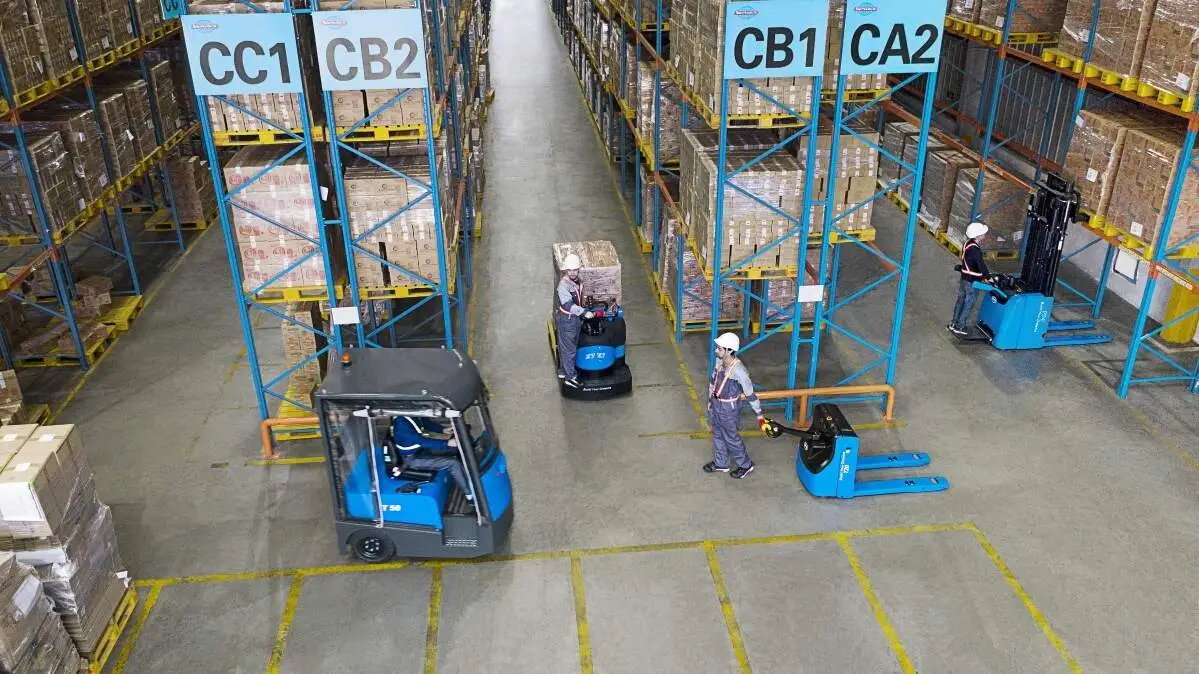
Indoor storage is the most ideal option for preserving idle forklifts, as it shields equipment from harsh weather conditions, dust, and unauthorized access. Facilities can repurpose underutilized warehouse space, designating dedicated zones with clear markings to organize forklifts by type or usage frequency. For space-constrained sites, vertical storage systems are a practical solution—these systems lift forklifts off the ground, freeing up floor space for other operations. It’s essential to ensure indoor storage areas have adequate ventilation to prevent battery corrosion and maintain optimal humidity levels, as excess moisture can damage electrical components and metal parts.
When indoor space is limited, outdoor storage becomes a necessary alternative, but it requires careful planning to mitigate risks. First, select a flat, well-drained area with a paved or gravel surface to prevent soil erosion and water pooling around forklift tires and undercarriages. Invest in heavy-duty, weather-resistant covers to protect the forklift’s body, control panel, and battery compartment from rain, snow, and UV exposure. Additionally, install perimeter fencing or access gates to deter theft and unauthorized tampering. Regular inspections, at least once a week, are crucial to check for signs of rust, tire deflation, or battery leakage, allowing for prompt interventions before minor issues escalate.
Storage should not be a passive process; integrating routine maintenance into storage protocols helps keep forklifts ready for immediate use when needed. Before placing a forklift in idle storage, perform a pre-storage inspection: clean the exterior and interior to remove debris and corrosive materials, lubricate moving parts like hinges and lift chains, and check fluid levels. For electric forklifts, ensure batteries are charged to 80% capacity and disconnected to prevent over-drain. During storage, schedule monthly maintenance checks to top up fluids, rotate tires to avoid flat spots, and test battery voltage. This proactive approach reduces the risk of unexpected breakdowns when the forklift is put back into service.
For industrial facilities with limited storage space, innovative strategies can maximize efficiency. Shared storage zones, where forklifts from different departments are consolidated, reduce redundant space usage. Compact storage layouts, such as angled parking, allow more forklifts to fit in a designated area without compromising access. Some facilities also use mobile storage systems that can be adjusted based on seasonal storage needs, providing flexibility during peak and off-peak periods. By analyzing usage patterns and optimizing storage layouts, facilities can minimize wasted space while ensuring easy access to idle forklifts when required.
Proper storage of idle forklifts is an investment in equipment longevity and operational efficiency. Whether utilizing indoor space, implementing outdoor protective measures, integrating maintenance, or optimizing space, industrial facilities can reduce repair costs, extend equipment lifespan, and ensure forklifts are in optimal condition whenever operations demand them.