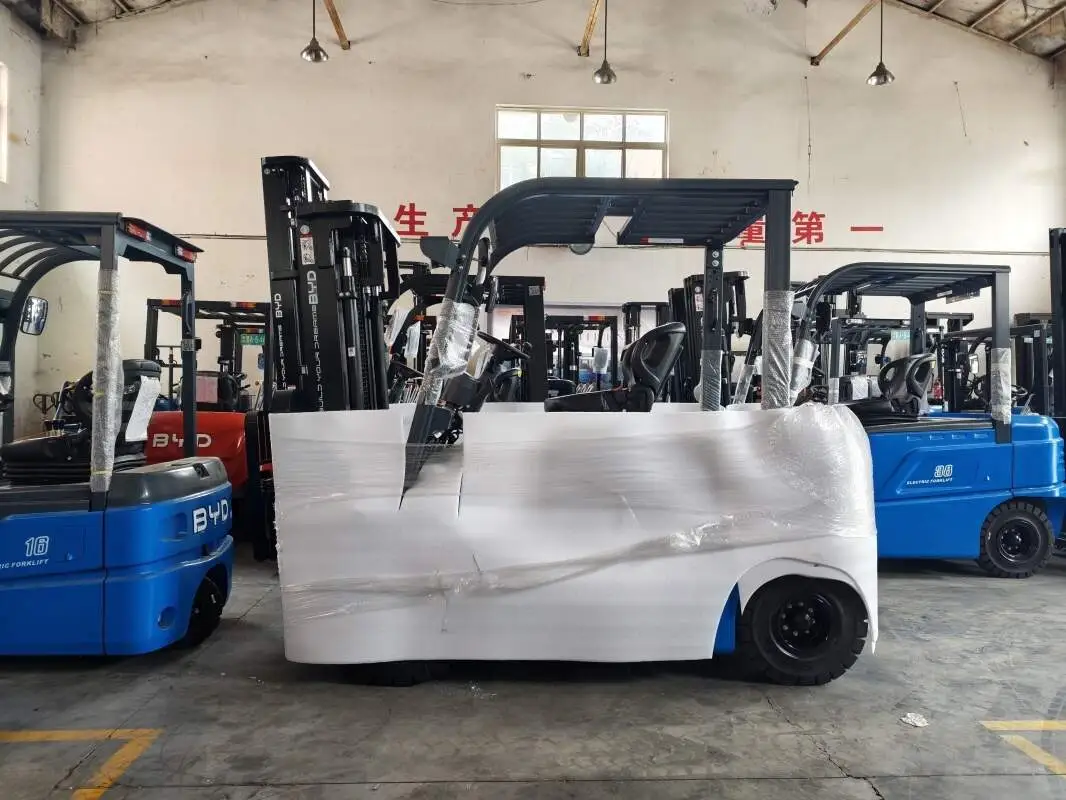
forklift attachments play a pivotal role in boosting the versatility of material handling operations, but their durability and functional reliability rely heavily on proper storage during non-operating periods. Overlooking storage best practices can lead to corrosion, structural damage, or impaired functionality, increasing long-term maintenance costs and creating safety hazards when attachments are reinstated. Below are practical, compliant storage guidelines to protect your forklift attachments during periods of inactivity.
Before placing any attachment into storage, prioritize thorough cleaning and inspection. Remove all debris, dirt, grease, and residual materials from surfaces, joints, and moving components using mild, material-compatible cleaning agents—avoid harsh chemicals that may cause discoloration or corrosion. Once clean, conduct a detailed inspection to identify cracks, bent parts, or worn components. Address minor issues immediately, and consult a qualified technician for major damage to prevent further deterioration while in storage.
Select a dry, well-ventilated storage environment to combat moisture, the primary cause of rust. Opt for indoor storage if possible; if outdoor storage is unavoidable, use waterproof, UV-resistant covers tailored to forklift attachments. Ensure the storage floor is flat and free of standing water, and place attachments on wooden pallets or elevated racks to avoid contact with damp ground.
Organize attachments to prevent physical damage. Store heavy attachments on lower racks to avoid tipping, and avoid haphazard stacking. Use dedicated storage racks or hangers designed for specific types, such as forks, clamps, or rotators, to keep components separated and secure. This not only protects attachments from impact but also simplifies retrieval when needed.
For long-term storage, add extra protective measures. Apply a thin layer of rust-inhibiting oil or grease to metal surfaces, especially hinges and pins, to prevent corrosion. Disconnect electrical components (if applicable) and store them in insulated, moisture-proof containers. Label each attachment with its type, last inspection date, and storage requirements for easy identification.
Finally, conduct periodic maintenance checks. Schedule monthly or quarterly inspections to look for rust, moisture buildup, or pest signs. Reapply rust inhibitors as needed and ensure covers remain intact. Promptly address any issues to avoid irreversible damage.
By adhering to these guidelines, you can extend attachment lifespan, reduce maintenance expenses, and ensure your forklift accessories are safe and ready for efficient use whenever required.