Many logistics and warehouse operators often face confusion when selecting loading tools, as tail lifts and forklifts have different applicable scenarios that match distinct operation demands.
First, we look at core functional features of the tail lift. It is usually mounted on the rear of delivery vehicles, and can lift goods from ground level to the vehicle cargo platform stably. This type of equipment requires no extra independent operation space, and fits well for last-mile delivery scenarios where there are no fixed loading docks, especially for businesses that operate small-batch, multi-point distribution tasks.
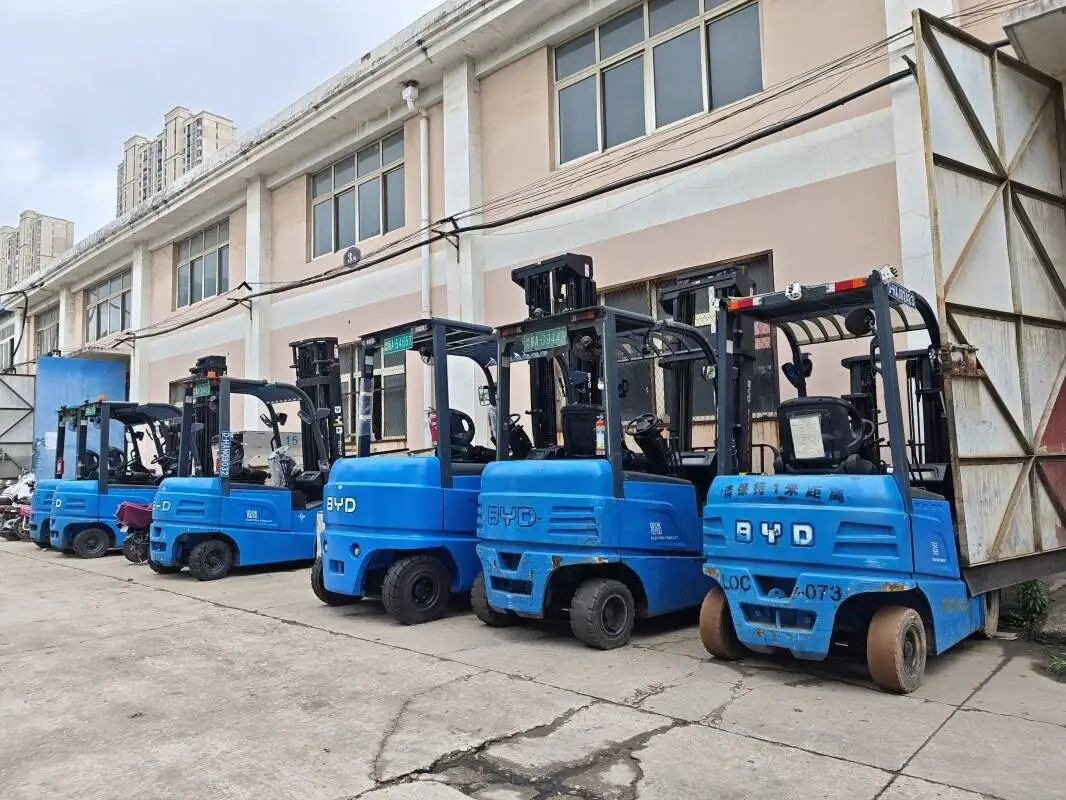
Then we talk about the electric forklift, a popular choice for modern logistics systems. It has higher rated load capacity, supports long-time continuous operation, and can fulfill multiple tasks including heavy goods stacking, long-distance horizontal transport, and fast loading and unloading for vehicles parked beside standard docks. It can work efficiently both in enclosed indoor warehouses and open outdoor loading yards, which greatly improves the overall turnover efficiency of warehouse goods.
When matching equipment to your actual loading needs, you can make choice based on your daily operation scenarios. If most of your tasks are small cargo delivery without fixed supporting facilities at destination, tail lift can be a cost-effective pick. If you need to process large volume heavy goods, support high frequency storage and outbound operations, the electric forklift will bring more convenient use experience. As a new energy material handling equipment supplier, Jian Shu New Energy specializes in BYD electric forklift products, and provides professional targeted matching suggestions for different customers’ loading demands. For more detailed information, you can send consultation emails to 17399989919@163.com.