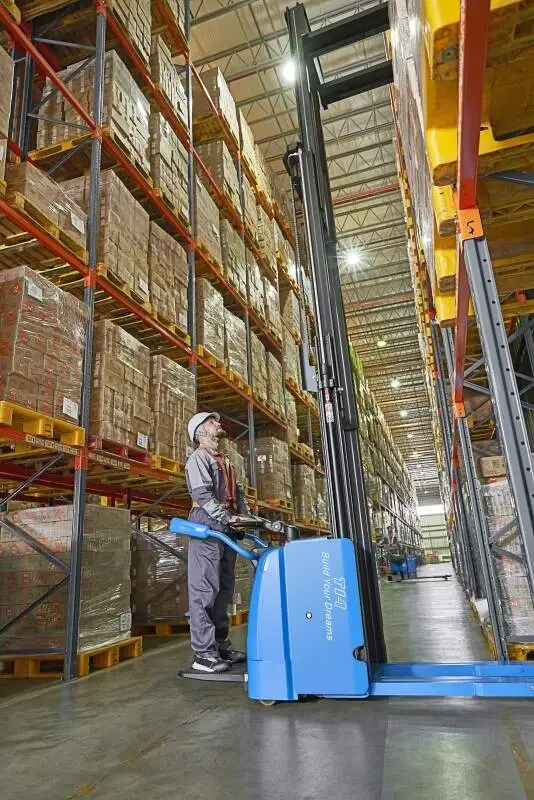
forklift engines are the core power units that determine the operational efficiency and versatility of material handling equipment. Understanding their technical parameters is crucial for selecting the right forklift for specific industrial, warehouse, or construction site needs. This introduction breaks down key technical parameters that define forklift engine performance and functionality.
Power output and torque are fundamental parameters that dictate an engine’s ability to handle load demands. Power output, typically measured in kilowatts (kW) or horsepower (hp), varies widely based on application scope. Smaller forklifts designed for narrow warehouse aisles often have power outputs ranging from 20 kW to 50 kW, while heavy-duty models used for outdoor construction or port operations can exceed 100 kW. Torque, measured in newton-meters (Nm), reflects the engine’s rotational force—critical for lifting heavy pallets and accelerating with cargo. Higher torque at low engine speeds ensures smooth, stable operation when navigating uneven terrain or handling maximum-load shipments.
Fuel efficiency and energy consumption directly influence long-term operational costs. For internal combustion forklift engines, fuel efficiency is measured in liters per hour (L/h) or miles per gallon (mpg), depending on regional standards. Engines optimized for fuel efficiency reduce expenditure on diesel, gasoline, or liquefied petroleum gas (LPG), making them more cost-effective for frequent use. electric forklift engines, by contrast, have energy consumption ratings measured in kilowatt-hours per hour (kWh/h). Advanced electric models leverage efficient motors and battery systems to minimize energy use, extending runtime between charges and reducing reliance on frequent recharging.
Emission and efficiency standards are critical for compliance with environmental regulations. Internal combustion engines must meet strict limits for pollutants such as nitrogen oxides (NOx), carbon monoxide (CO), and particulate matter. Modern engines incorporate features like exhaust gas recirculation (EGR) and diesel particulate filters (DPF) to reduce emissions, aligning with regional environmental guidelines. Electric forklift engines produce zero tailpipe emissions, making them ideal for closed indoor environments where air quality is a priority, as they eliminate the risk of harmful fumes accumulating in warehouse spaces.
Cooling system parameters ensure engines operate within optimal temperature ranges, extending lifespan and maintaining performance. Forklift engines function in diverse environments, from cold storage facilities with sub-zero temperatures to outdoor sites with high heat. Internal combustion engines typically operate best between 80°C and 95°C, with cooling system capacity measured in liters to regulate temperature effectively. Electric motors rely on thermal management systems to prevent overheating during prolonged heavy-duty use, ensuring consistent performance and reducing the risk of component damage.
Each technical parameter of a forklift engine works in tandem to define its overall capability. By evaluating power output, torque, fuel or energy efficiency, emission standards, and cooling system performance, businesses can select forklifts that align with their operational needs, balancing productivity, cost-effectiveness, and environmental responsibility.