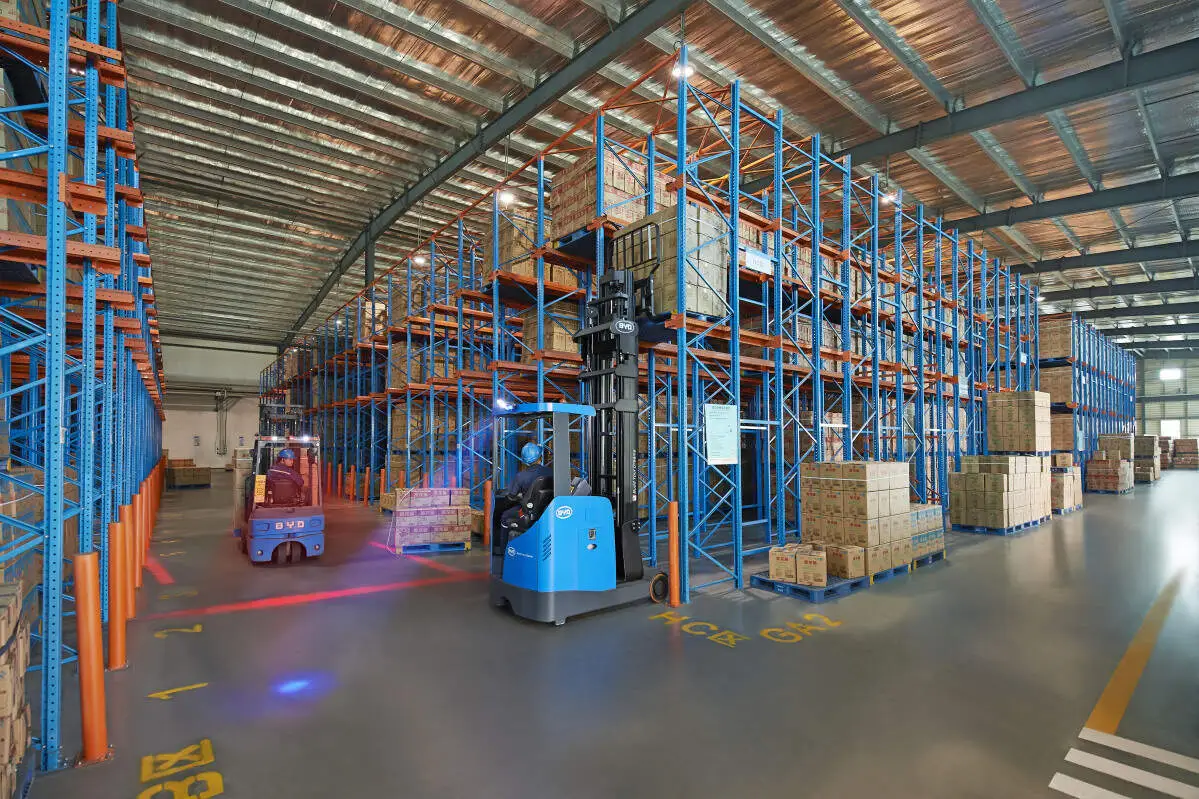
Warehouse projects, whether involving inventory restocking, facility expansion, or seasonal peak operations, often demand efficient and versatile material handling solutions. Traditional forklifts may fall short when dealing with high-reach storage, bulky loads, or tight spaces common in modern warehouses. This is where telehandler forklifts come into play, offering enhanced maneuverability and lifting capabilities that align with the dynamic needs of warehouse projects. Opting for telehandler forklift hire instead of purchasing can be a strategic choice for many businesses, providing access to specialized equipment without the long-term financial commitment.
One of the key advantages of telehandler forklift hire for warehouse projects is flexibility. Warehouse operations can fluctuate significantly—some months may require heavy-duty lifting for large inventory deliveries, while others may only need occasional use for maintenance or rearranging storage layouts. Rental services allow businesses to select the right telehandler model for specific tasks, adjusting the duration of hire to match project timelines. Whether it’s a short-term rental for a one-time inventory overhaul or a long-term arrangement for ongoing facility upgrades, hire options can be tailored to fit unique operational demands.
Cost-effectiveness is another compelling reason to choose telehandler hire. Purchasing a telehandler involves substantial upfront costs, including the price of the equipment, insurance, maintenance, and storage. For businesses that don’t require daily use of a telehandler, these expenses can become a financial burden. Hiring eliminates these overheads, as rental fees typically cover maintenance, servicing, and sometimes even operator training. This allows warehouse managers to allocate budget resources to other critical project areas, such as inventory management or safety upgrades.
Telehandler forklifts also offer unmatched versatility in warehouse settings. Unlike standard forklifts, they can extend their booms to reach high storage racks, lift heavy loads to elevated positions, and even navigate narrow aisles with precision. This makes them ideal for tasks like stacking pallets in high-bay warehouses, moving oversized equipment within the facility, or loading/unloading delivery trucks from different heights. When hiring, businesses can choose models with specific features, such as rotating booms or attachment compatibility, to address the unique requirements of their warehouse projects.
When considering telehandler forklift hire for a warehouse project, it’s important to partner with a reputable rental provider that offers reliable equipment and responsive support. Businesses should assess their project needs carefully, including load capacities, reach heights, and operational environments, to select the most suitable telehandler model. Additionally, ensuring that operators are properly trained to handle the equipment is crucial for maintaining safety and efficiency in the warehouse.
In conclusion, telehandler forklift hire provides a practical and efficient solution for meeting the material handling demands of warehouse projects. With flexible rental terms, cost savings, and versatile equipment capabilities, it allows businesses to adapt to changing operational needs without the drawbacks of equipment ownership. By choosing the right hire option and prioritizing safety and functionality, warehouse managers can streamline project workflows and achieve better overall operational outcomes.