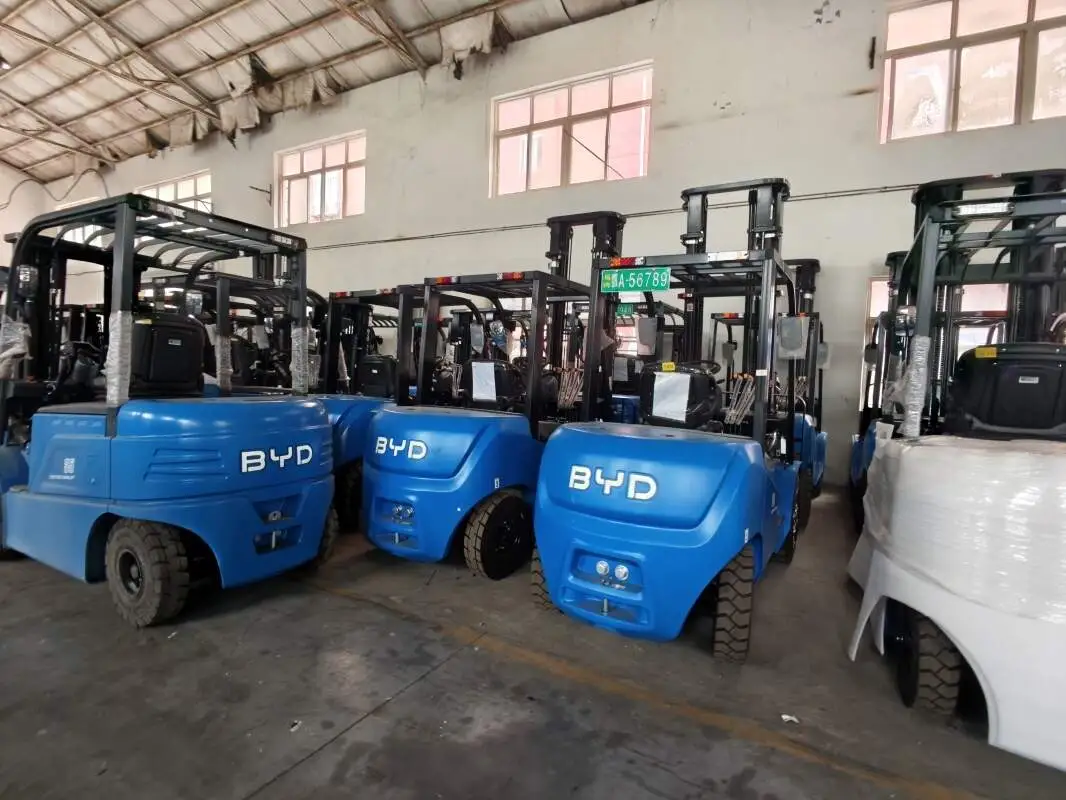
Long-size cargo such as steel beams, wooden planks, and pipe sections presents unique challenges in warehouse and industrial logistics. Traditional forklift configurations often struggle to accommodate these extended loads, leading to inefficiencies, increased risk of cargo damage, and limitations in maneuverability within tight spaces. This is where telescopic forks forklift solutions step in, offering a tailored approach to address these pain points.
Telescopic forks operate through a hydraulic or mechanical system that allows the fork arms to extend and retract as needed. This adjustability enables operators to handle cargo of varying lengths without requiring specialized equipment for each load type. Whether managing a 6-meter pipe or a 12-meter steel beam, the telescopic mechanism can extend to the precise length required, ensuring secure lifting and transport.
One of the key advantages of telescopic forks forklifts is their ability to optimize space utilization. In warehouses with narrow aisles or limited storage areas, these forklifts can navigate tight spaces while still handling long loads, eliminating the need for wide access routes dedicated to oversized cargo. Additionally, the controlled extension and retraction of forks reduce the risk of accidental collisions with racks, walls, or other equipment, lowering maintenance costs and improving overall workplace safety.
To maximize the benefits of telescopic forks forklift solutions, adherence to operational best practices is essential. Operators should receive specialized training to understand the load capacity limits at different fork extensions, as carrying heavy loads at full extension can impact the forklift’s stability. Regular maintenance checks on the telescopic mechanism, including hydraulic fluid levels and component wear, are also critical to ensure consistent performance and prevent unexpected breakdowns.
These solutions find widespread application across various industries. In construction material warehouses, telescopic forks forklifts streamline the handling of long building materials, reducing loading and unloading time. In logistics centers, they enable efficient transfer of extended cargo between storage areas and transport vehicles, enhancing overall supply chain speed. Even in manufacturing facilities, these forklifts support the movement of long production components, ensuring smooth workflow operations.
By integrating telescopic forks forklift solutions into long-size cargo handling processes, businesses can achieve improved efficiency, reduced cargo damage, and enhanced safety. This adaptable equipment addresses the unique challenges of managing extended loads, making it a valuable addition to any industrial or warehouse operation focused on optimizing logistics performance.