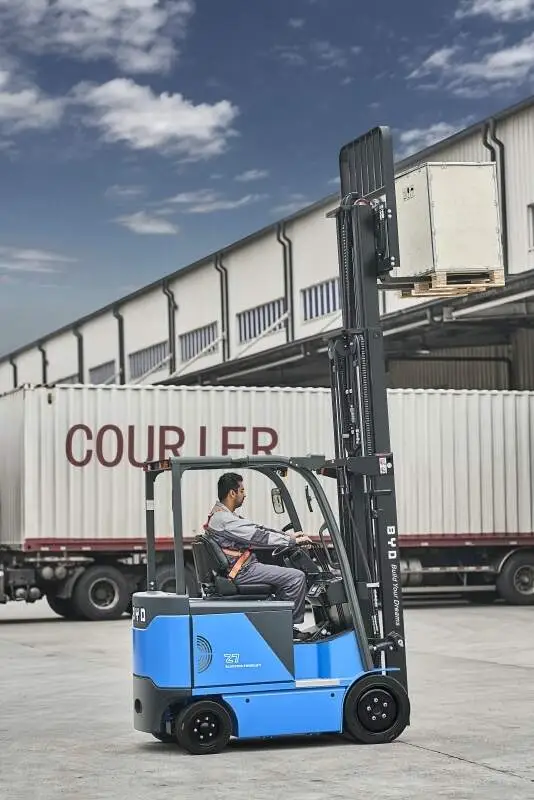
Building an in-house electric forklift fleet is a strategic investment for many businesses, aimed at enhancing operational efficiency while reducing carbon footprints. However, managing the total cost of ownership (TCO) is crucial to ensuring this investment delivers long-term value. Below are practical, actionable tips to control costs throughout the lifecycle of your electric forklift fleet.
First, start with strategic fleet sizing. Many businesses make the mistake of purchasing more forklifts than needed, leading to unnecessary upfront costs and idle equipment expenses. Conduct a thorough analysis of your daily operations, including peak hours, load requirements, and material flow patterns. This data will help you determine the exact number of forklifts required, ensuring you only invest in units that actively contribute to productivity. Avoid over-sizing, as idle forklifts still incur storage, maintenance, and depreciation costs over time.
Next, prioritize optimized energy management. electric forklifts rely on battery power, and energy costs can form a significant portion of ongoing expenses. Implement smart charging strategies, such as charging during off-peak electricity hours when rates are lower. Invest in efficient charging infrastructure that minimizes energy loss during the charging process. Additionally, train operators to properly manage battery usage—avoiding over-discharging, which can shorten battery lifespan, and ensuring batteries are stored in cool, dry environments to maintain performance. Proper battery management not only reduces energy costs but also extends battery life, delaying the need for costly replacements.
Proactive maintenance is another key factor in controlling TCO. Regular, preventive maintenance helps identify potential issues before they escalate into costly breakdowns. Establish a scheduled maintenance routine that includes battery inspections, tire checks, brake system evaluations, and software updates (for models with electronic components). By addressing minor issues early, you can avoid expensive repairs and unplanned downtime, which can disrupt operations and lead to indirect costs such as delayed order fulfillment. Additionally, well-maintained forklifts operate more efficiently, reducing energy consumption and extending the overall lifespan of the fleet.
Invest in operator training to boost efficiency and reduce costs. Untrained operators are more likely to make mistakes that cause equipment damage, increase energy usage, or lead to workplace accidents. Provide comprehensive training programs that cover safe operation practices, battery management, and basic troubleshooting. Trained operators will use forklifts more efficiently, reducing wear and tear on components and minimizing the risk of costly repairs. Moreover, efficient operation can lower energy consumption, as skilled operators know how to optimize speed and load handling to conserve battery power.
Finally, partner with a reliable supplier that offers comprehensive support services. Choosing a supplier that provides ongoing maintenance support, genuine replacement parts, and expert advice can help you manage costs over the long term. At Jianshu New Energy, we specialize in electric forklifts, offering tailored solutions to meet your fleet needs. For more information on building a cost-effective electric forklift fleet, contact us at 17399989919@163.com.