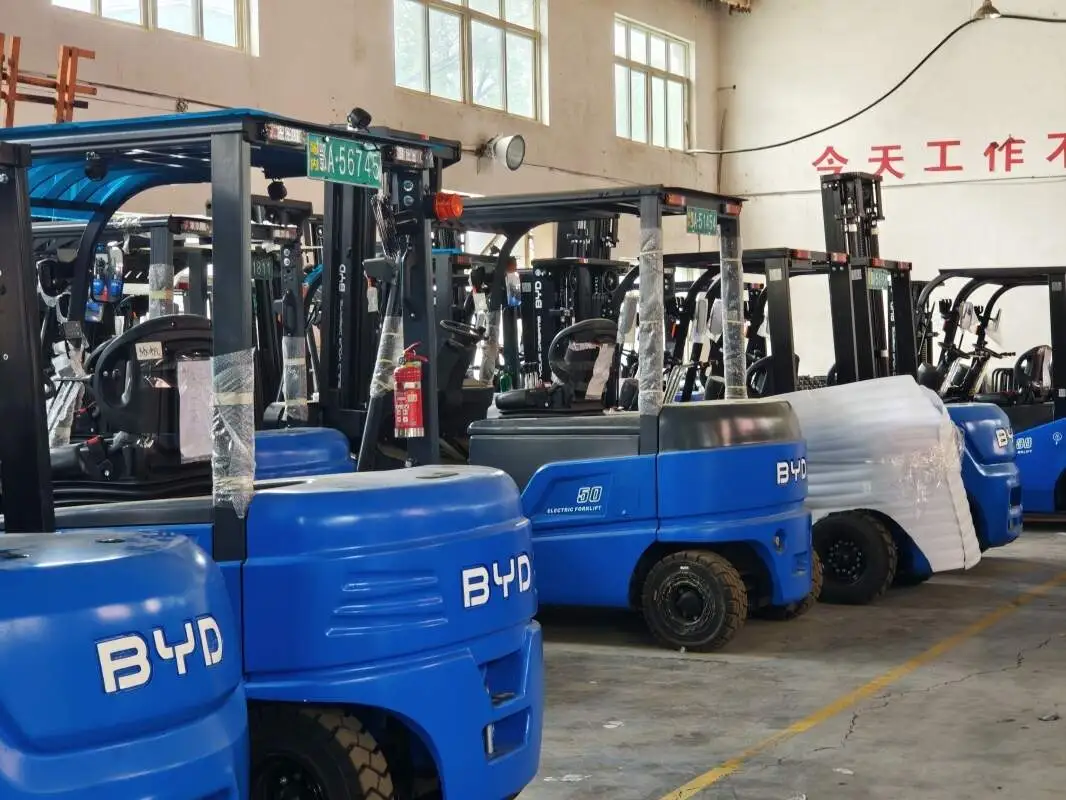
As electric forklifts become a staple in industrial and warehouse operations, protecting the health of their batteries is critical for reducing operational costs and ensuring reliable performance. Proper charging cycle optimization is one of the most effective ways to extend battery lifespan and maintain consistent efficiency. Here are key expert tips to guide your battery charging practices.
First, understand your battery’s capacity and specific charging needs. Different electric forklift batteries have varying energy densities, and your charging approach should align with daily usage patterns. For example, if your forklift operates for 6-8 hours daily, calculate the required charge based on its energy consumption rate rather than relying on full charges every time. Avoid frequent fast charging, as it can generate excessive heat and strain the battery cells over time. Instead, opt for slow, steady charging when possible to support long-term battery health.
Second, avoid both overcharging and undercharging. Overcharging can lead to electrolyte evaporation and accelerated cell degradation, while undercharging causes sulfation, a process where lead sulfate crystals build up on battery plates and reduce capacity. To prevent this, use charging systems that automatically adjust power input as the battery reaches full capacity. Once the battery reaches 80-90% of its charge, switch to a trickle charge mode to maintain optimal levels without overloading the cells. Never leave the battery connected to the charger indefinitely after it’s fully charged.
Third, maintain consistent charging temperatures. Batteries perform best when charged in environments between 15°C and 35°C (59°F to 95°F). Extreme temperatures, whether too hot or too cold, disrupt chemical reactions within the battery and shorten its lifespan. Avoid charging forklifts in direct sunlight, unheated warehouses during winter, or areas with poor ventilation. If necessary, adjust the charging area’s temperature or schedule charging during more moderate temperature periods to protect battery health.
Fourth, implement a regular charging schedule. Instead of waiting until the battery is completely drained to charge, initiate charging when the battery reaches 20-30% remaining capacity. This shallow discharge and regular charging cycle reduces stress on the battery cells and prevents deep discharge damage. Establish a fixed daily charging routine, such as charging overnight after each shift, to ensure the battery maintains a stable state of charge and avoids irregular cycling that can harm its longevity.
Fifth, prioritize proper charging during storage. If your electric forklift will be stored for an extended period, charge the battery to 50-70% of its capacity before storage. Check the battery’s charge level every 4-6 weeks and top it up as needed to prevent self-discharge from damaging the cells. Store the battery in a cool, dry, well-ventilated area away from corrosive materials or extreme temperature fluctuations.
By following these tips, you can significantly optimize charging cycles and protect your electric forklift battery’s health, leading to longer battery life and lower maintenance costs. For more professional guidance on electric forklift battery care and solutions, reach out to Jianshu New Energy, a specialist in BYD electric forklifts. You can contact us via email at 17399989919@163.com for personalized support and expert advice tailored to your operational needs.