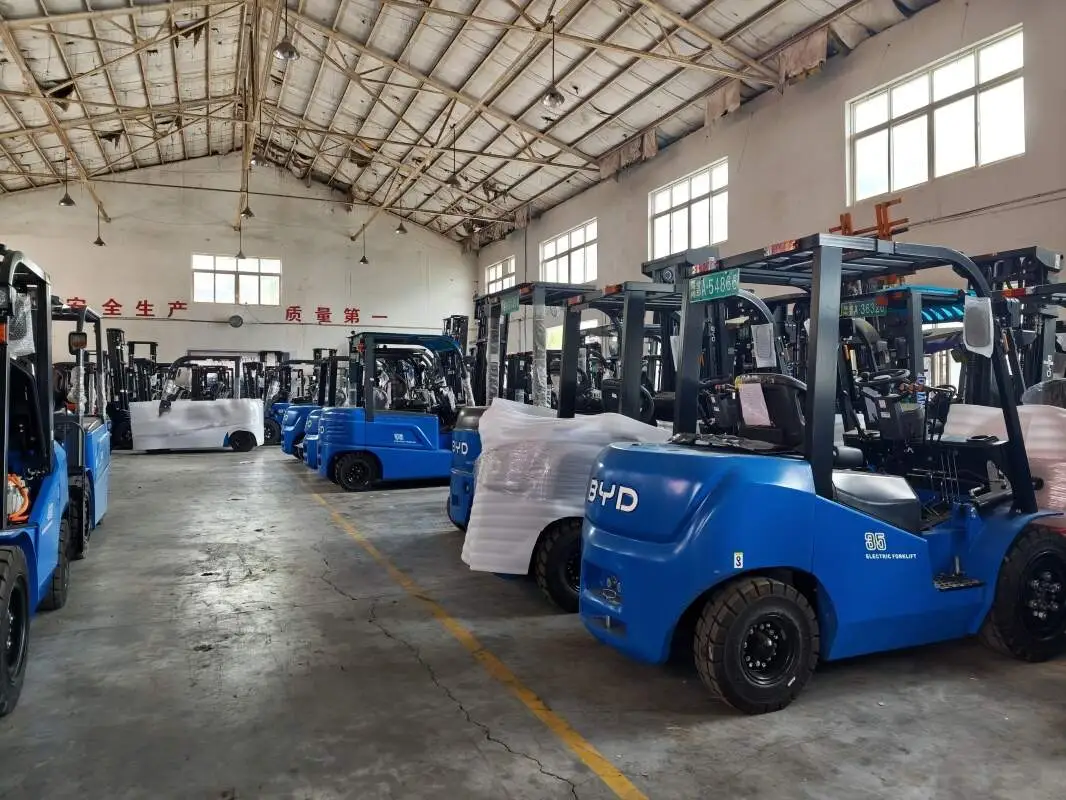
Managing an electric forklift fleet efficiently requires more than just regular maintenance—strategic work task assignment plays a critical role in minimizing wear and extending the lifespan of each unit. Unbalanced task distribution can lead to premature wear on key components, increasing repair costs and downtime. Below are practical, compliant tips to optimize task assignment and protect your fleet investment.
Conduct Pre-Assignment forklift Condition Checks
Before assigning any task, perform a quick but thorough inspection of each electric forklift. Focus on key components like battery charge level, tire tread condition, brake responsiveness and hydraulic system performance. Forklifts in optimal condition can handle heavier or longer-duration tasks, while those showing minor signs of wear should be assigned lighter, shorter tasks. This targeted approach prevents overstraining units that need gentle handling, reducing unnecessary wear over time.
Match Tasks to Forklift Capabilities
Every electric forklift is designed with specific load capacities and operational features. Avoid assigning heavy-load tasks to forklifts rated for lighter weights, as this puts excessive stress on the motor, battery and frame. Similarly, use forklifts designed for narrow aisles in tight warehouse spaces instead of forcing larger units into unsuitable areas, which can cause scrapes and structural damage. By aligning task requirements with each forklift’s built-in capabilities, you reduce the risk of accelerated wear caused by improper use.
Balance Workload Across the Entire Fleet
One of the most common causes of uneven wear is overusing a small subset of forklifts. Implement a rotation system that distributes high-demand tasks evenly across all units in the fleet. Use digital tracking tools to monitor each forklift’s daily operating hours, load frequency and task complexity. If one unit is consistently handling more heavy-duty tasks, adjust assignments to shift some of that workload to other available forklifts. This balanced approach ensures no single unit bears the brunt of wear, keeping the entire fleet in healthier condition longer.
Train Operators for Task-Specific Best Practices
Operator behavior directly impacts forklift wear. Provide regular training sessions focused on task-specific operation techniques. For example, teach operators to avoid sudden stops or sharp turns when carrying heavy loads, as these actions strain the braking system and tires. Train them to lift and lower loads smoothly to reduce stress on hydraulic components. Well-trained operators are more likely to handle forklifts in ways that minimize wear, making task assignment more effective when paired with proper skill development.
Monitor and Adjust Assignments in Real Time
Fleet conditions and task demands can change throughout the workday. Use real-time monitoring systems to track each forklift’s performance and usage metrics. If a forklift shows signs of increased strain—such as reduced battery efficiency or unusual noise—reassign its remaining tasks to another unit and schedule a maintenance check. Real-time adjustments allow you to address potential wear issues before they escalate, keeping your fleet operating efficiently.
At Jianshu New Energy, we specialize in BYD electric forklifts and understand the importance of optimizing fleet management to reduce wear. Our team can provide tailored advice to help you implement effective task assignment strategies. For more information, reach out to us at 17399989919@163.com. By following these tips, you can reduce unnecessary wear, lower maintenance costs and maximize the lifespan of your electric forklift fleet.