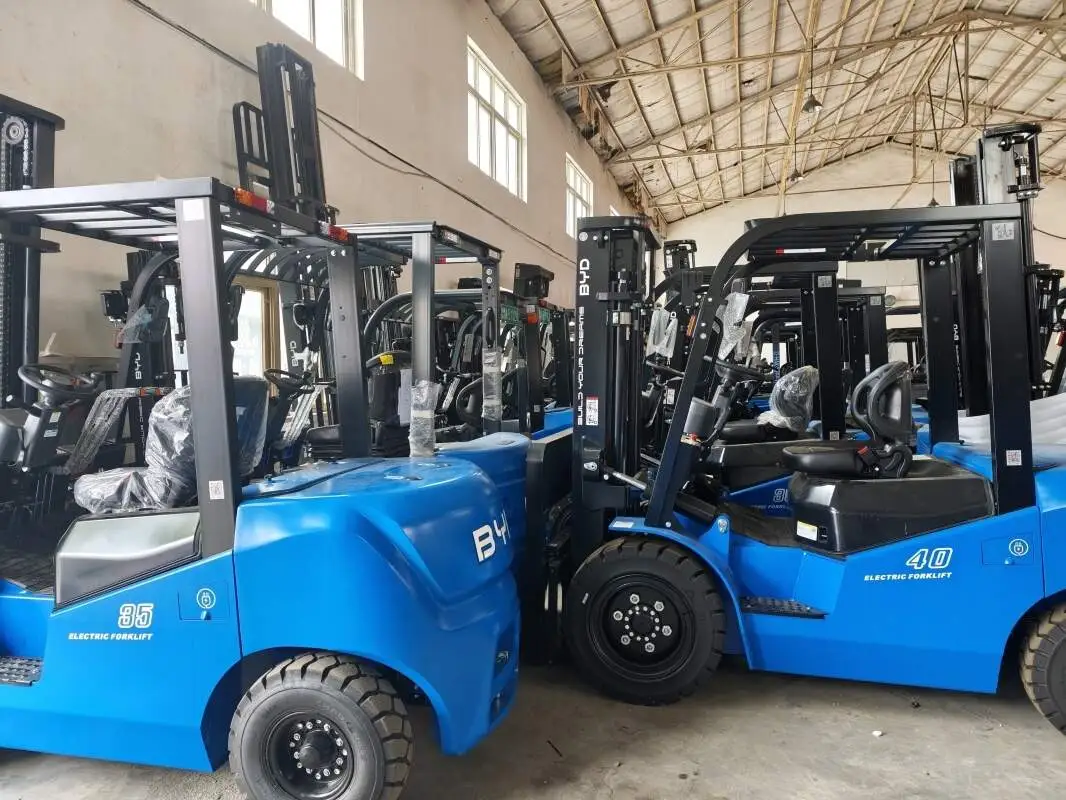
As electric forklifts gain traction in warehouses and distribution centers, designing a reasonable charging station layout is critical to sustaining operational efficiency, extending equipment lifespan, and upholding workplace safety. A well-planned layout not only streamlines charging processes but also minimizes downtime, enabling your fleet to meet daily operational demands consistently.
1. Analyze Fleet Size and Usage Patterns
Before drafting any layout, start by assessing your electric forklift fleet’s size, daily usage duration, and charging frequency. For example, if your fleet operates across multiple shifts, a staggered charging schedule paired with sufficient stations will help avoid bottlenecks. Track data on when forklifts return for charging, their battery capacity, and charging duration. This data will guide you in determining the number of stations needed and their optimal placement to align with your operational rhythms.
2. Prioritize Space Optimization and Safety
Space utilization is paramount in warehouse environments. Position charging stations in easily accessible areas that do not block main traffic routes or loading/unloading zones. Maintain adequate safety distances between each station to prevent collisions and allow personnel to connect or disconnect cables safely. Ensure the area is well-ventilated to dissipate battery heat and equipped with fire safety measures like extinguishers to mitigate potential hazards.
3. Match Charging Equipment to forklift Requirements
Different electric forklifts may require varying charging voltages and cable lengths. Select chargers that match your fleet’s specifications to ensure efficient and safe charging. Avoid mismatched chargers, as they can damage batteries and shorten their lifespan. Consider flexible solutions like wall-mounted or portable chargers to accommodate different forklift models and operational scenarios.
4. Streamline Processes for Operational Efficiency
Incorporate workflow considerations into your layout. Use clear signage to guide operators to available charging stations, and establish a system to track charged batteries and reduce waiting time. If your fleet uses swappable batteries, create a dedicated storage and swapping area—this cuts down downtime significantly compared to plug-in charging, letting operators quickly replace depleted batteries and resume work.
5. Plan for Future Scalability
As your business grows, your electric forklift fleet may expand. When designing the layout, leave room for additional stations or upgraded equipment. Opt for modular charging systems that can be easily expanded, avoiding costly renovations later. This foresight ensures your charging infrastructure adapts to increased demands without disrupting daily workflows.
At Jianshu New Energy, we specialize in BYD electric forklifts and offer professional guidance to design a charging station layout tailored to your fleet’s unique needs. Whether setting up a new area or optimizing an existing one, our expertise supports you in creating a safe, efficient, and scalable solution. For more details, contact us at 17399989919@163.com.