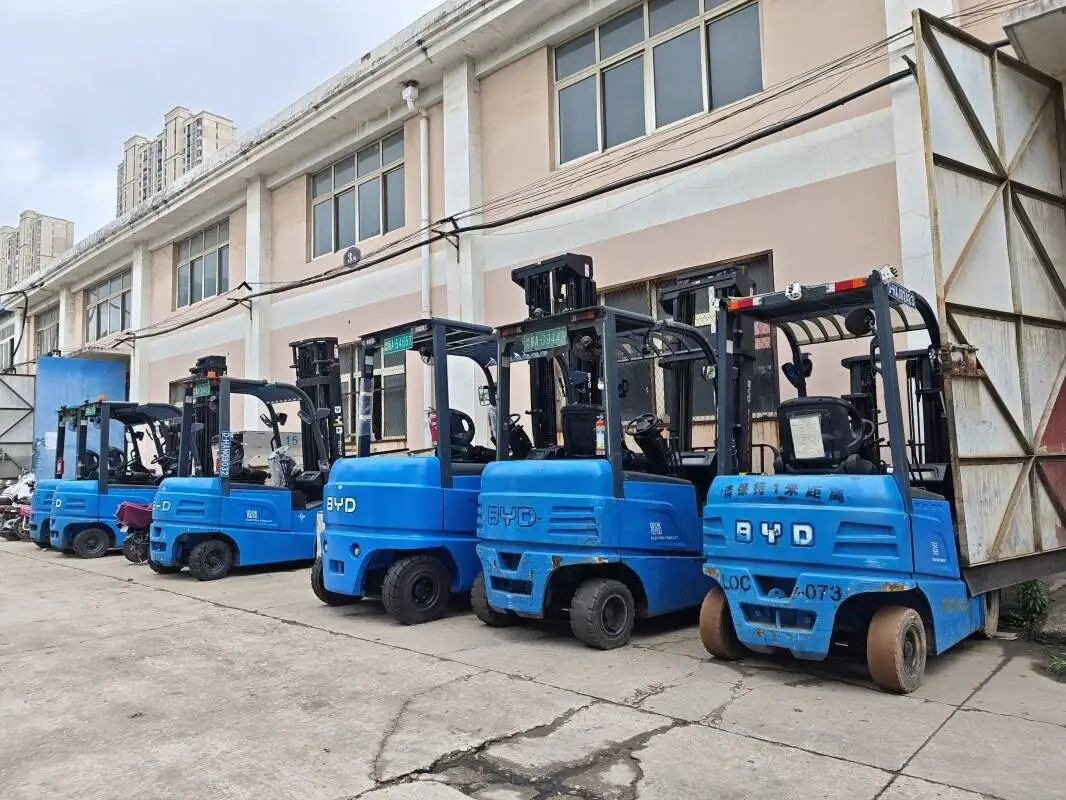
Rough working sites, such as construction yards, mining zones, and outdoor bulk storage facilities, present harsh challenges to heavy-duty electric forklifts. Among all critical components, tires serve as the direct interface between the vehicle and uneven ground, making their selection pivotal to operational safety, efficiency, and equipment longevity. Choosing tires that can withstand abrasive surfaces, debris, and heavy loads is essential for minimizing downtime and maximizing productivity.
First, prioritize tread pattern design based on your site’s specific terrain. For sites with loose gravel, mud, or uneven soil, opt for tires with deep, aggressive treads. These patterns enhance traction by digging into soft surfaces and effectively expelling debris, reducing the risk of skidding. For rocky or hard-packed rough terrain, blocky tread patterns offer better stability and wear resistance, distributing weight evenly across contact points to prevent premature tire damage. Avoid smooth or shallow treads, as they lack the grip needed to navigate slippery or uneven ground safely.
Next, evaluate tire material and durability. Heavy-duty electric forklifts in rough environments require tires made from high-quality, wear-resistant rubber compounds. Solid rubber tires are ideal for sites with abundant sharp debris, as they resist punctures and cuts far better than pneumatic tires. While pneumatic tires offer superior shock absorption, they are more prone to damage in areas with sharp objects, making them suitable only for less rugged sites. Additionally, look for tires formulated to resist cracking from extreme temperatures and UV exposure, ensuring long-term performance in outdoor conditions.
Matching tire load capacity to your forklift’s requirements is another critical step. Every tire has a specified load rating, and exceeding this limit accelerates wear, compromises stability, and increases the risk of tire failure. Calculate your typical working load, including the weight of the forklift itself, and choose tires that can handle this capacity with a reasonable safety margin. Also, ensure tire size aligns with your forklift’s specifications—incorrectly sized tires can alter the vehicle’s center of gravity, affecting maneuverability and ground clearance.
Finally, consider maintenance accessibility. In rough working sites, tires wear quickly, so selecting tires that are easy to inspect and replace can reduce downtime. Regularly check tread depth and look for signs of damage like cuts or bulges to address issues before they lead to breakdowns.
At Jianshu New Energy, we specialize in BYD electric forklifts and possess in-depth knowledge of tire selection for rugged operational environments. Our team can provide personalized recommendations based on your site’s terrain, load demands, and operational goals, helping you choose tires that optimize your forklift’s performance. For professional guidance, reach out to us at 17399989919@163.com.