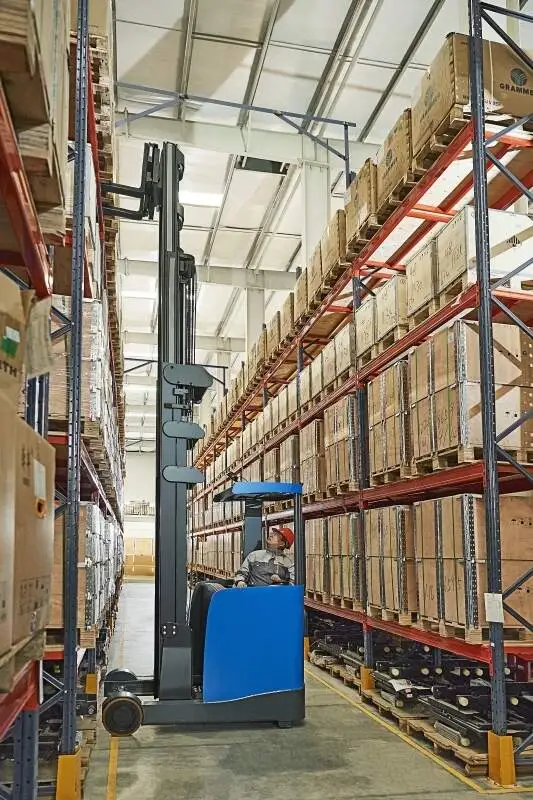
electric forklifts are workhorses in warehouses and distribution centers, relying heavily on their batteries to maintain seamless daily operations. When a forklift battery fails to hold a charge, it can lead to unexpected downtime, reduced productivity, and increased operational costs. Understanding how to troubleshoot charge retention issues is essential for fleet managers and maintenance teams to keep operations running smoothly.
Common Causes of Charge Retention Loss
The first step in troubleshooting is identifying the root cause of reduced charge retention. Several factors can contribute to this problem:
1. Sulfation: This occurs when lead-acid batteries are left in a partially charged state for extended periods, causing lead sulfate crystals to form on the battery plates. These crystals reduce the plate’s surface area available for chemical reactions, lowering the battery’s overall capacity. To check for sulfation, use a hydrometer to measure electrolyte density across all cells—consistently low density levels indicate potential sulfation.
2. Terminal Corrosion: Corrosion on battery terminals creates electrical resistance, hindering the flow of current during charging and discharging. Visually inspect terminals for white or greenish deposits; even minor corrosion can significantly impact charge efficiency.
3. Faulty Charging Equipment: Inconsistent voltage or current output from the charger can prevent the battery from reaching a full charge. Use a multimeter to verify the charger’s output matches the battery’s rated specifications. If readings are outside the recommended range, the charger may need calibration or repair.
4. Battery Aging: Over time, battery plates wear down, and internal components degrade, reducing the battery’s ability to hold a charge. Review the battery’s service history; if it exceeds its typical lifespan (usually 5-7 years for lead-acid batteries), capacity loss is likely due to aging.
Practical Troubleshooting and Fixes
Once the root cause is identified, apply targeted fixes to restore charge retention:
- Addressing Sulfation: For mild cases, perform an equalization charge—slowly charging the battery at a low voltage level to break down sulfate crystals. For severe sulfation, consult a professional to use specialized desulfation equipment. Avoid overcharging, as this can cause further damage.
- Cleaning Corroded Terminals: Disconnect the battery terminals, then mix a solution of baking soda and water to scrub away corrosion. Rinse with clean water, dry thoroughly, and apply a thin layer of petroleum jelly to prevent future corrosion. Ensure terminals are tightly reconnected to maintain a secure electrical connection.
- Repairing or Replacing Charging Equipment: If the charger is faulty, have it inspected by a qualified technician. Calibration can resolve minor output issues, but damaged components may require replacement. Always use a charger designed specifically for your forklift battery type to ensure compatibility.
- Evaluating Aging Batteries: If the battery is beyond its lifespan, consider replacing it. Before replacement, optimize charging practices (such as avoiding deep discharges) to extend its remaining useful life temporarily.
Preventive Measures to Avoid Future Issues
Preventing charge retention issues is more cost-effective than troubleshooting them. Implement these practices:
- Establish a regular charging schedule that ensures batteries are fully charged after each use, avoiding prolonged partial charging.
- Conduct monthly inspections of battery terminals, electrolyte levels, and charging equipment to catch issues early.
- Store batteries in a cool, dry area away from extreme temperatures, which can accelerate degradation.
- Train operators to avoid deep discharges (below 20% capacity), as this can shorten battery life and increase the risk of sulfation.