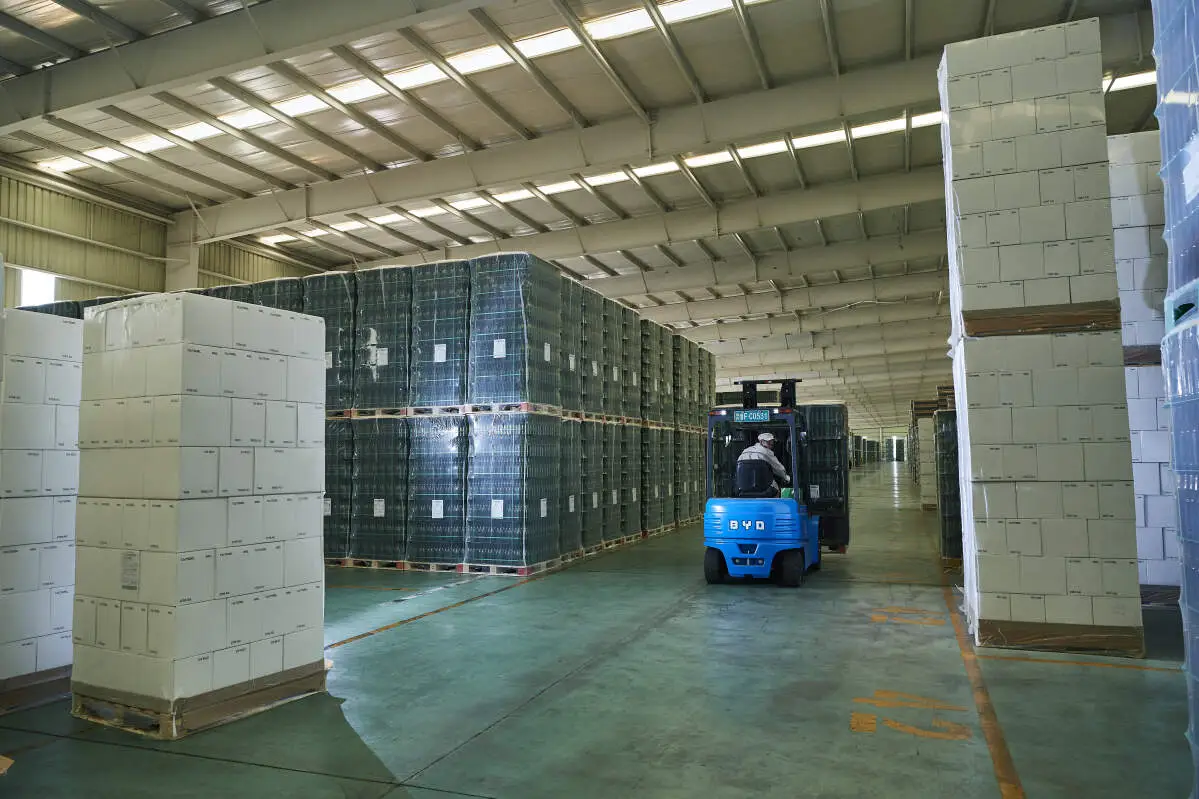
electric forklifts are indispensable workhorses in warehouses, distribution centers and manufacturing facilities, streamlining material handling tasks with efficiency. When unexpected issues arise, fault codes displayed on the forklift’s dashboard serve as critical diagnostic tools, guiding technicians to identify and resolve problems quickly. Understanding how to interpret and troubleshoot these codes is essential to minimizing downtime and maintaining optimal forklift performance.
First, start with reading and interpreting fault codes correctly. Most electric forklifts display fault codes via alphanumeric characters or warning lights on the dashboard. Active codes indicate ongoing issues that require immediate attention, while historical codes record past problems that may have been resolved but need review. Before troubleshooting, refer to the forklift’s official service manual to decode specific codes, as code definitions can vary based on the forklift’s design and system configuration.
Next, conduct targeted troubleshooting based on code categories. For power system-related fault codes, such as low battery voltage or charging errors, begin by inspecting the battery connections for looseness or corrosion. Check the battery’s state of charge using a multimeter, and verify that the charger is functioning properly with the correct voltage output. If the issue persists, inspect the battery cells for damage or wear that may require replacement.
Sensor-related fault codes often point to issues with position, pressure or temperature sensors. Start by examining sensor wiring for fraying, breaks or improper connections. Calibrate the sensor according to standard guidelines if misalignment is suspected. For pressure sensors in hydraulic systems, check for leaks in hydraulic lines that could affect sensor readings, and ensure the hydraulic fluid level is within the recommended range.
Hydraulic system fault codes, which may signal issues with lift or tilt functions, require checking the hydraulic fluid quality and level first. Contaminated fluid can cause pump or valve malfunctions, so replace the fluid if it appears discolored or contains debris. Inspect the hydraulic pump and valves for signs of wear or blockages, and test the system’s pressure to ensure it meets operational standards.
After identifying and repairing the root cause, verify the fix by clearing the fault codes using the forklift’s diagnostic tool or dashboard controls. Operate the forklift through a series of standard tasks, such as lifting heavy loads and navigating turns, to ensure the issue does not reoccur. Document the troubleshooting process and fault code details for future reference, which helps in resolving similar problems faster.
Finally, implement preventive maintenance practices to reduce the occurrence of fault codes. Schedule regular inspections of batteries, sensors, hydraulic systems and motors. Train operators to recognize early warning signs, such as unusual noises or performance drops, and report issues promptly. Regular cleaning and lubrication of components can also prevent debris buildup that leads to system failures.