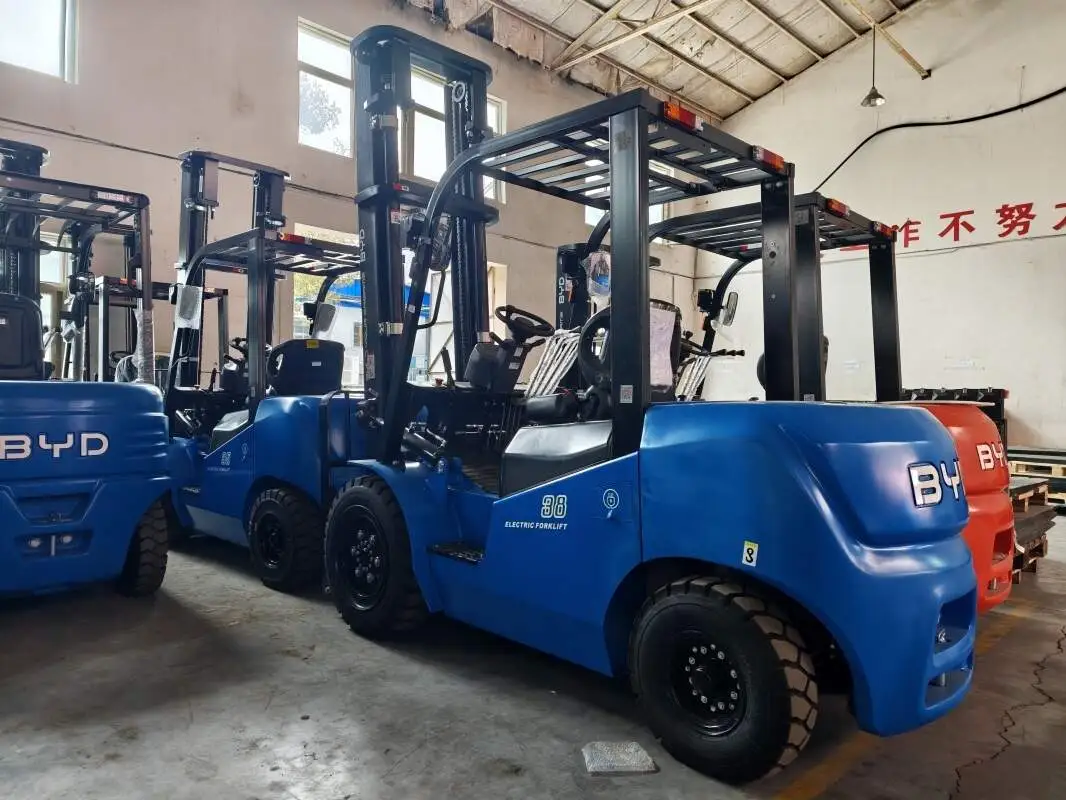
electric forklifts are workhorses in warehouses and distribution centers, but like any machinery, they can encounter error codes that disrupt operations. Understanding how to troubleshoot these common codes is key to minimizing downtime and maintaining productivity.
One of the most frequently encountered error codes relates to low battery voltage. When this code appears, start by inspecting the battery connections—loose or corroded terminals can cause inconsistent power delivery. Clean any corrosion with a baking soda and water solution, then tighten the terminals securely. Next, check the battery’s electrolyte levels; low levels can reduce charging efficiency. If levels are low, top them up with distilled water (following standard guidelines) and initiate a full charging cycle. If the code persists, test the charger’s output to ensure it’s delivering the correct voltage, as a faulty charger may fail to fully recharge the battery.
Brake system error codes are another common issue. Begin troubleshooting by inspecting the brake pads for wear—excessively thin pads can trigger sensor alerts. Replace worn pads if necessary. Then, check the hydraulic brake fluid level; low fluid can impede brake performance and trigger error codes. Top up the fluid to the recommended level and inspect for leaks in the hydraulic lines. If no leaks are found, test the brake sensors to ensure they’re functioning correctly; a misaligned or faulty sensor may send false signals.
Sensor-related error codes often stem from dirty or misaligned components. For example, a mast tilt sensor error may occur if the sensor is covered in dust or debris. Clean the sensor carefully with a soft cloth and ensure it’s properly aligned according to the equipment’s manual. Similarly, a load weight sensor error can be resolved by calibrating the sensor—follow the step-by-step calibration process outlined in the forklift’s documentation to ensure accurate weight readings.
When troubleshooting any error code, it’s crucial to follow a systematic approach. First, record the exact error code and any accompanying symptoms, such as unusual noises or performance issues. Consult the forklift’s service manual to understand the code’s specific meaning and recommended troubleshooting steps. Start with the simplest fixes first, such as checking connections or cleaning components, before moving to more complex repairs. After addressing the issue, test the forklift to ensure the code has cleared and the equipment operates normally.
Preventive maintenance can also reduce the frequency of error codes. Schedule regular inspections of batteries, brakes, and sensors to catch potential issues early. Train operators to perform pre-shift checks, including inspecting fluid levels and monitoring for unusual sounds or warning lights. Additionally, keep the forklift’s software updated, as manufacturers often release updates to address known issues and improve system performance.
By familiarizing yourself with these troubleshooting tips and adopting a proactive maintenance approach, you can effectively resolve common electric forklift error codes and keep your equipment running smoothly.