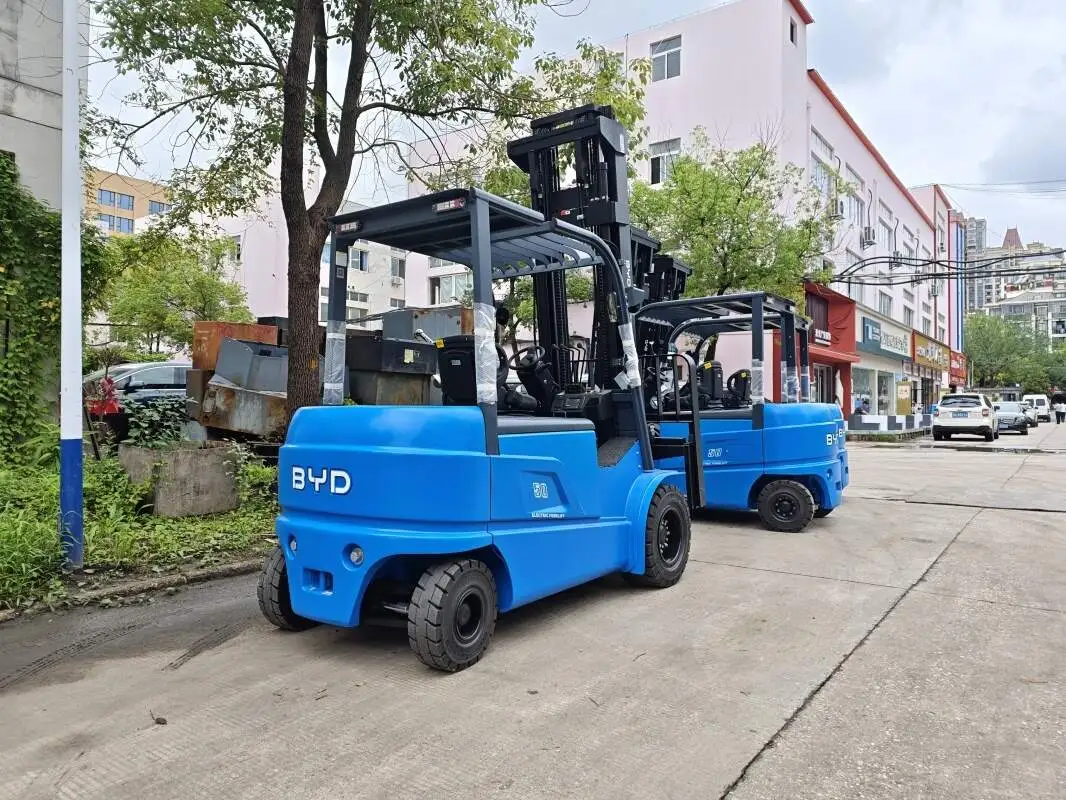
Mast jitter during lifting operations is a common issue that can compromise the safety and operational efficiency of electric forklifts. Uncontrolled vibration not only poses risks to operators and cargo stability but also accelerates wear on critical components, leading to increased long-term maintenance costs. Gaining insight into the root causes of this phenomenon is essential for timely troubleshooting and proactive preventive maintenance.
Hydraulic System Irregularities
The hydraulic system is the core power source behind the mast’s lifting motion, so any irregularities here often trigger mast jitter. Insufficient hydraulic fluid levels disrupt consistent pressure supply, causing the mast to jerk or vibrate during operation. Contaminated hydraulic oil—loaded with debris, dirt, or moisture—can clog valves and filters, blocking smooth fluid flow and creating pressure fluctuations. Additionally, worn hydraulic cylinders with internal leaks or damaged seals fail to maintain steady pressure, resulting in uneven lifting and subsequent jitter. Regular fluid level checks, scheduled oil replacements, and seal inspections are fundamental to preventing these hydraulic-related issues.
Wear and Tear on Mast Structural Components
Prolonged use inevitably leads to wear on key mast components, which directly contributes to jitter. Stretched or damaged lifting chains struggle to distribute the load evenly, causing uneven mast movement and vibration. Worn rollers and guide rails reduce the mast’s stability as it moves up and down, allowing excessive play that translates into jitter. Loose bolts or connections in the mast frame further exacerbate the problem, as they permit structural components to shift during lifting. Routine inspections, including tightening loose connections and replacing worn chains, rollers, or rails, can effectively mitigate structural wear-induced jitter.
Improper Load Distribution
Unevenly distributed or overloaded cargo places unbalanced stress on the mast, triggering jitter during lifting. When cargo is not centered on the forks, the mast tilts slightly under the uneven weight, causing erratic movement as it compensates. Overloading beyond the forklift’s rated capacity strains both the hydraulic system and mast structure, leading to unstable lifting motion and vibration. Operators should always ensure loads are properly centered within the fork dimensions and adhere strictly to the forklift’s weight limits to avoid this avoidable issue.
Control System Malfunctions
Modern electric forklifts rely on electronic control systems to regulate precise lifting operations. Faulty sensors, damaged wiring, or malfunctioning control modules can disrupt signal transmission between the operator’s controls and the hydraulic system. This inconsistency leads to erratic power delivery, causing the mast to lift in an unsteady manner that results in jitter. Diagnosing control system issues requires specialized knowledge, as it involves testing electronic components and ensuring accurate calibration of control modules.
Addressing mast jitter promptly is crucial for preserving the performance and lifespan of electric forklifts. If you encounter persistent mast jitter with your electric forklift, reach out to Jianshu New Energy, a specialist in BYD electric forklifts. Our team of experts can provide professional inspection, maintenance, and repair services to resolve the problem efficiently. You can contact us via email at 17399989919@163.com for further assistance tailored to your needs.