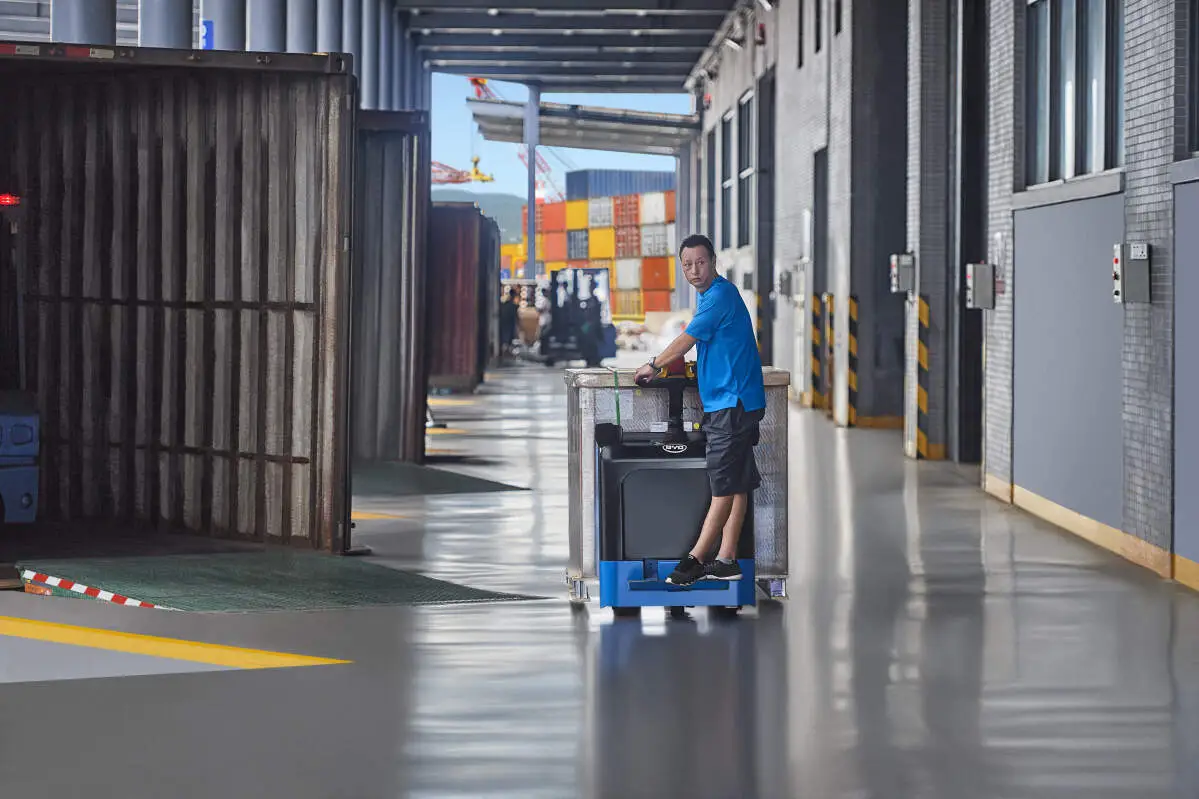
electric forklifts have become a staple in warehouses, distribution centers, and manufacturing facilities, thanks to their zero-emission operation and low maintenance costs. At the heart of these machines lies the battery, whose output directly dictates productivity and operational efficiency. One often overlooked factor that significantly affects battery performance is ambient temperature. Understanding this relationship is crucial for fleet managers to optimize battery lifespan, maintain consistent output, and minimize downtime.
When temperatures drop below the recommended operating range (typically between 10°C and 30°C), electric forklift batteries face several challenges. Cold temperatures slow down the chemical reactions inside the battery, reducing its ability to convert stored energy into usable power. This leads to a noticeable decrease in battery capacity—meaning the forklift can cover fewer hours of operation before needing a recharge. Additionally, cold conditions increase internal resistance within the battery, which not only lowers output but also generates more heat during charging, potentially causing long-term damage to the battery cells. Fleet operators may notice slower acceleration, reduced lifting power, and shorter runtime during cold winter months, all of which can disrupt daily operations.
Conversely, high ambient temperatures pose an equally significant threat to battery output. When temperatures rise above the optimal range, the chemical reactions in the battery speed up beyond their intended rate. This accelerated activity can lead to excessive evaporation of the battery’s electrolyte, which reduces overall capacity and can cause permanent damage to the cell structure. Over time, repeated exposure to high heat can shorten the battery’s lifespan significantly, as it weakens the internal components and increases the risk of thermal instability. In hot environments, forklifts may experience sudden drops in power, increased charging time, and a higher likelihood of battery failure, leading to unexpected downtime and increased maintenance costs.
To mitigate the impact of ambient temperature on electric forklift battery output, several proactive steps can be taken. For cold environments, storing batteries in a temperature-controlled area when not in use can help maintain their internal temperature. Pre-heating batteries before use can also improve initial output and reduce strain during operation. In hot climates, ensuring batteries are stored in a cool, well-ventilated space is essential. Avoiding prolonged exposure to direct sunlight and limiting operation during the hottest parts of the day can also help preserve battery health. Regular maintenance, including checking electrolyte levels (for flooded batteries) and following manufacturer-recommended charging practices, can further optimize performance regardless of temperature conditions.
If you’re seeking reliable electric forklifts and professional guidance on battery management, Jianshu New Energy specializes in BYD electric forklifts. Our team can provide tailored advice to help you navigate temperature-related challenges and keep your forklift fleet running efficiently. For more information, please reach out to us at 17399989919@163.com.