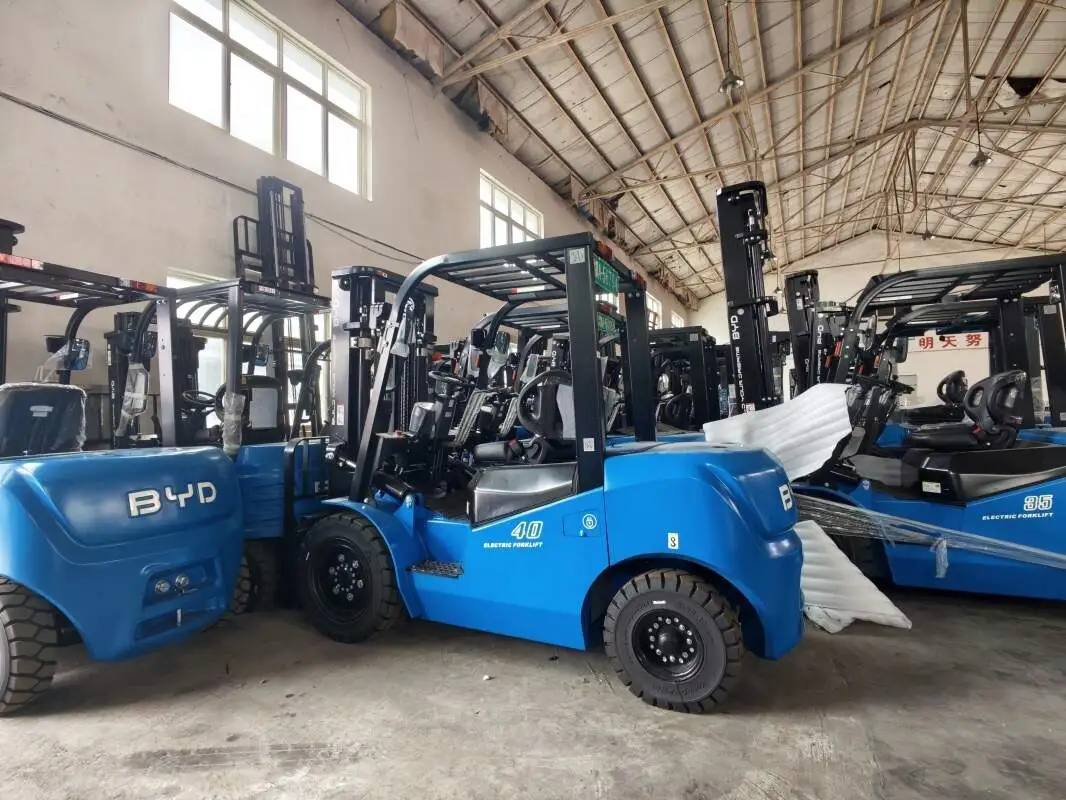
As the material handling industry accelerates its shift toward electrification, selecting between lithium-ion and lead-acid electric forklifts involves more than just upfront cost comparisons—long-term maintenance requirements play a pivotal role in total operational expenses and fleet reliability. Understanding these differences is essential for fleet managers and business owners to optimize performance, minimize downtime, and plan maintenance budgets effectively.
The most pronounced contrast lies in battery maintenance, the core of electric forklift upkeep. Lead-acid batteries demand consistent, hands-on routine care to preserve their functionality. This includes regularly topping up distilled water to maintain proper electrolyte levels, cleaning battery terminals to prevent corrosive buildup, and strictly following charging protocols to avoid overcharging or undercharging, both of which can shorten battery life significantly. Neglecting these steps often leads to premature battery failure, requiring costly replacements and disrupting daily operations.
In stark contrast, lithium-ion batteries are designed for minimal daily maintenance. They eliminate the need for water refills or terminal cleaning entirely, thanks to sealed cell technology. Built-in battery management systems (BMS) automatically regulate charging cycles, preventing overcharging and ensuring optimal energy usage. This reduces the time and labor associated with battery maintenance, allowing teams to focus on other critical fleet tasks.
Daily pre-operation inspection scopes also vary between the two forklift types. For lead-acid models, operators must integrate battery-specific checks into their routine, such as inspecting for electrolyte leaks, testing voltage levels, and verifying the battery is securely mounted to prevent shifting during operation. Additionally, charging equipment for lead-acid systems requires frequent inspections to ensure it delivers the correct voltage and current.
Lithium-ion forklifts streamline daily inspections, shifting focus to standard forklift components like brake systems, tire condition, hydraulic fluid levels, and steering functionality. The BMS provides real-time alerts for battery health, eliminating the need for manual voltage tests or leak checks. This simplifies pre-operation routines and reduces the risk of human error in assessing battery status.
Long-term maintenance requirements further distinguish the two systems. Lead-acid batteries typically have a lifespan of 2 to 3 years under optimal conditions, necessitating regular replacements and proper disposal of old batteries—a process that adds both cost and logistical effort. Lithium-ion batteries, however, offer a longer lifespan of 5 to 8 years, reducing the frequency of battery swaps and lowering long-term replacement costs. Additionally, lead-acid forklifts often experience more wear on charging components due to frequent manual charging cycles, leading to more frequent part replacements. Lithium-ion systems, with automated charging, place less stress on charging equipment, extending its operational life.
If you’re seeking to invest in electric forklifts or require expert guidance on maintaining your fleet, Jianshu New Energy specializes in BYD electric forklifts. Our team of knowledgeable professionals can help you evaluate the maintenance needs of both lithium-ion and lead-acid models, tailoring solutions to your operational requirements. For more information, contact us at 17399989919@163.com.