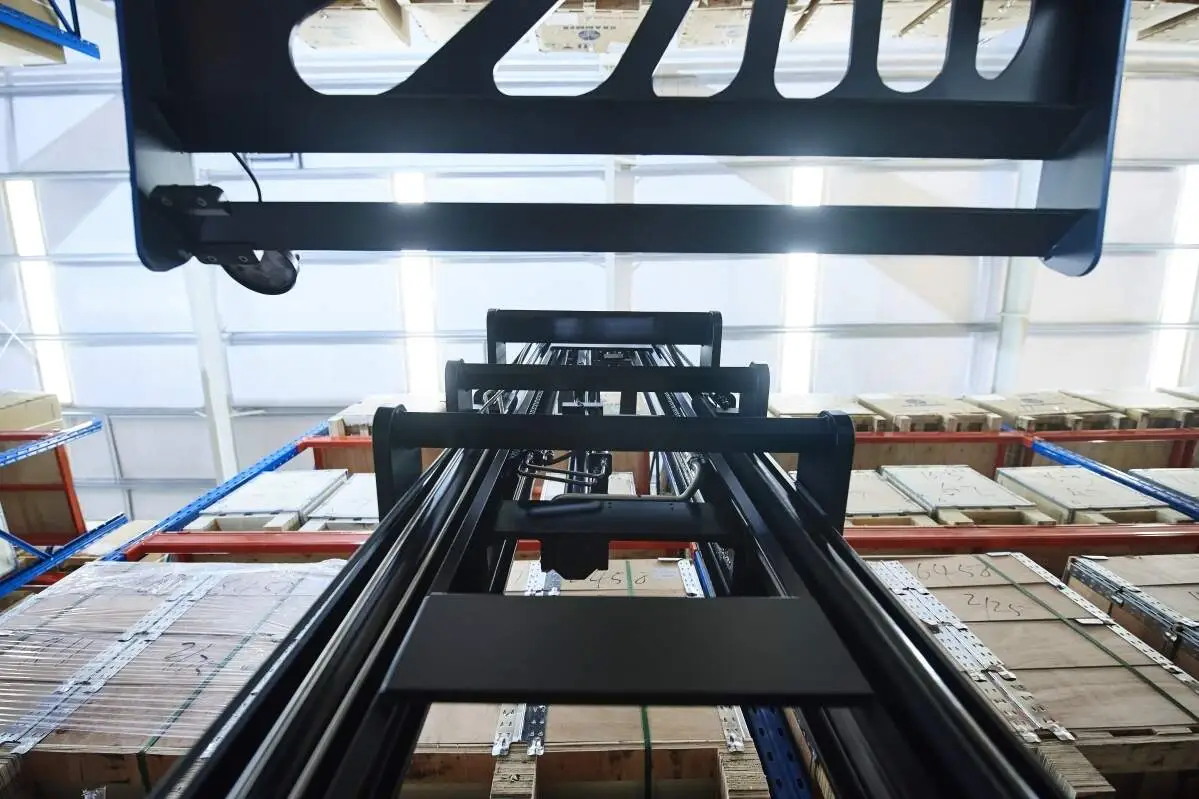
electric forklifts are a cornerstone of modern industrial logistics, streamlining material handling operations across warehouses, manufacturing facilities, and distribution centers. For businesses looking to invest in or replace forklifts, having access to an updated price list tailored to multiple load capacities is critical for budgeting and operational planning. Pricing varies significantly based on load capacity, as well as additional features and design specifications that align with specific operational needs.
Low Load Capacity Forklifts (1–3 Tons)
Designed for light-duty tasks such as moving small pallets in narrow warehouse aisles or indoor retail stockrooms, low load capacity forklifts offer a cost-effective entry point. Updated pricing for this category typically falls in a range that reflects their compact size, energy-efficient motors, and basic safety features. These models are ideal for businesses with limited space and lower material handling demands, as they balance affordability with reliable performance. Minor pricing fluctuations may occur based on battery type and basic ergonomic add-ons.
Medium Load Capacity Forklifts (4–7 Tons)
Catering to mid-range material handling needs, medium load capacity forklifts handle both indoor and outdoor tasks like loading delivery trucks or moving heavier factory components. Updated pricing here is higher than low-capacity models, driven by stronger chassis, more powerful motors, and enhanced safety systems like stability controls and improved visibility aids. Businesses with mixed operational environments often choose these models for their balance of strength and maneuverability. Customizations like extended battery life or specialized attachments can adjust pricing within this segment.
High Load Capacity Forklifts (8+ Tons)
Built for heavy-duty industrial applications, high load capacity forklifts manage oversized materials, bulk cargo, and outdoor construction site tasks. Updated pricing for these models is at the premium end, reflecting robust construction, high-torque motors, advanced safety mechanisms, and durable components for continuous heavy use. While requiring significant upfront investment, they deliver the performance needed for large-scale operations where efficiency and durability are essential. Long-term maintenance packages and extended warranties can also impact overall costs.
Additional Factors Influencing Pricing
Beyond load capacity, other elements shape updated forklift prices. Battery technology plays a key role: lithium-ion batteries, with longer life and faster charging, increase upfront costs compared to traditional lead-acid options. Safety features like collision avoidance systems and ergonomic cabins add to the price point. Post-purchase support such as maintenance plans and training services can also affect total ownership cost, making it important for businesses to consider these alongside initial purchase price.
In conclusion, an updated forklift price list for multiple load capacities gives businesses clarity to make informed investment decisions. By understanding how load capacity and supplementary features influence pricing, companies can select forklifts that align with operational needs and budgets, ensuring efficient, cost-effective material handling for years.