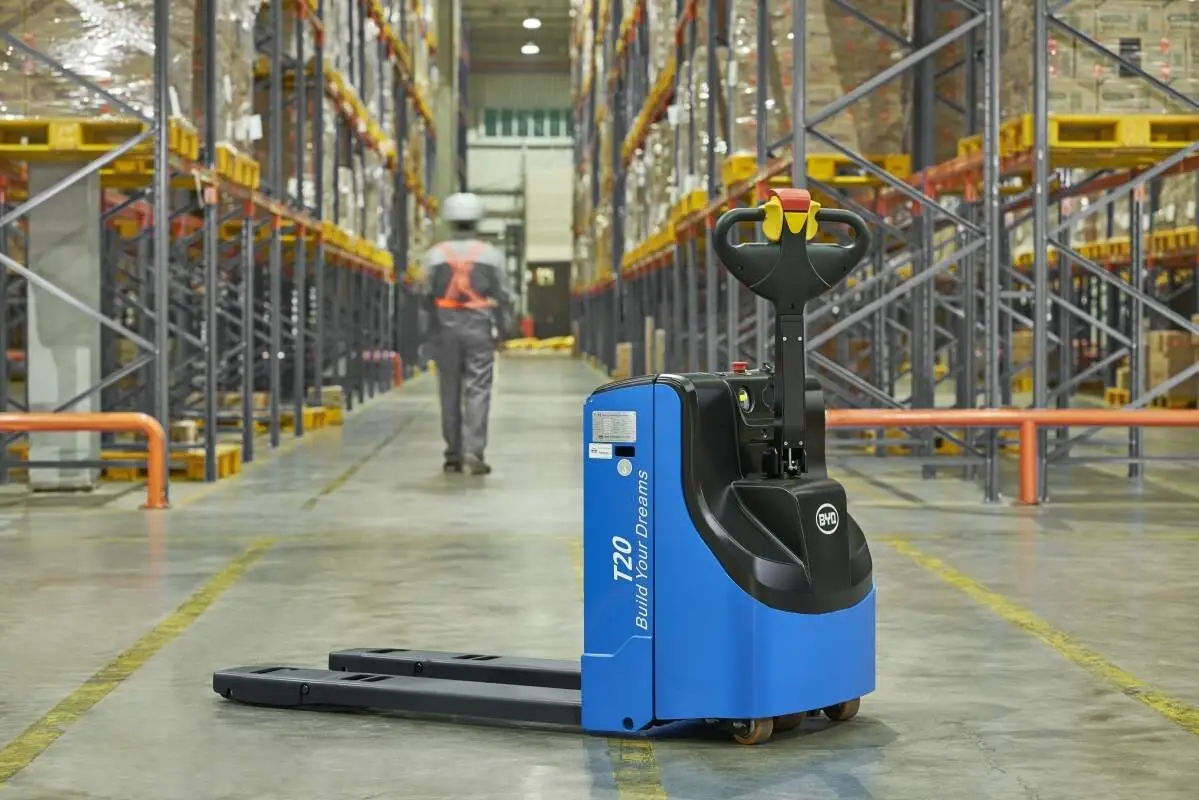
72-inch standard forklift fork blades are a versatile component widely utilized across various industries, designed to balance load stability, maneuverability, and compatibility with standard material handling equipment. Their extended length makes them ideal for handling large, long, or bulky loads that shorter forks might struggle to support safely. Below are key usage scenarios where these fork blades excel, highlighting their practical value in daily operations.
In large-scale warehouse environments, 72-inch standard fork blades play a critical role in managing palletized inventory. Most standard industrial pallets measure 48 inches in length, so the 72-inch forks provide ample overhang to secure the pallet and its contents during lifting and stacking. This extra length enhances stability when stacking goods multiple levels high, reducing the risk of pallet tipping or load shifting. Additionally, when picking orders that involve long items such as piping, lumber, or furniture components, these forks can accommodate the full length of the load, eliminating the need for additional support equipment and streamlining the picking process. Warehouse operators benefit from reduced handling time and minimized product damage, as the forks distribute weight evenly across the load.
Within manufacturing plants, 72-inch forklift forks are essential for moving heavy, oversized components and raw materials. For example, in automotive manufacturing, they can safely transport long metal beams, engine blocks, or assembled chassis parts. The extended length ensures that heavy loads are fully supported, preventing bending or warping of the load or the forks themselves. In metal fabrication shops, these forks are used to move stacks of sheet metal or long tubing, allowing workers to transport large quantities in a single trip. This efficiency translates to reduced downtime between production stages, keeping manufacturing lines running smoothly.
Logistics and distribution hubs rely on 72-inch standard fork blades to handle the loading and unloading of long or bulky cargo onto trucks, trains, or shipping containers. When dealing with items like large furniture, construction materials, or rolled textiles, the extended fork length ensures that the load is securely held without overhanging excessively, which could pose safety risks during transit. These forks also enable operators to maneuver through narrow loading docks and tight spaces with greater confidence, as the balanced load is less likely to swing or collide with surrounding structures. By facilitating efficient cargo handling, 72-inch forks help meet tight delivery schedules and improve overall supply chain productivity.
On construction sites, where terrain is often uneven and loads are varied, 72-inch forklift forks prove their durability and versatility. They are used to transport long construction materials like steel beams, wooden planks, and piping across rough ground, providing a stable base that reduces the chance of load slippage. Additionally, these forks can handle large bundles of roofing materials or prefabricated wall panels, allowing construction crews to move heavy components quickly and safely. The standard length is compatible with most construction-grade forklifts, making them a go-to choice for outdoor material handling tasks where reliability is paramount.
For retail and wholesale operations, 72-inch fork blades are ideal for handling large, bulky products such as appliances, furniture, and large packaged goods. When restocking retail warehouses or moving inventory to store floors, these forks can lift and transport full pallets of oversized items without the need for specialized equipment. This versatility helps retail managers optimize their storage space and improve inventory turnover, as products can be moved efficiently from delivery trucks to storage racks or sales floors. The even weight distribution provided by the extended forks also reduces the risk of product damage, which is crucial for maintaining product quality and minimizing losses.
Overall, 72-inch standard forklift fork blades are a reliable solution for a wide range of material handling tasks. Their extended length, compatibility with standard equipment, and ability to support large loads make them indispensable in industries where efficiency, safety, and productivity are top priorities. By understanding their key usage scenarios, businesses can select the right fork blades to meet their specific operational needs and enhance their daily material handling processes.