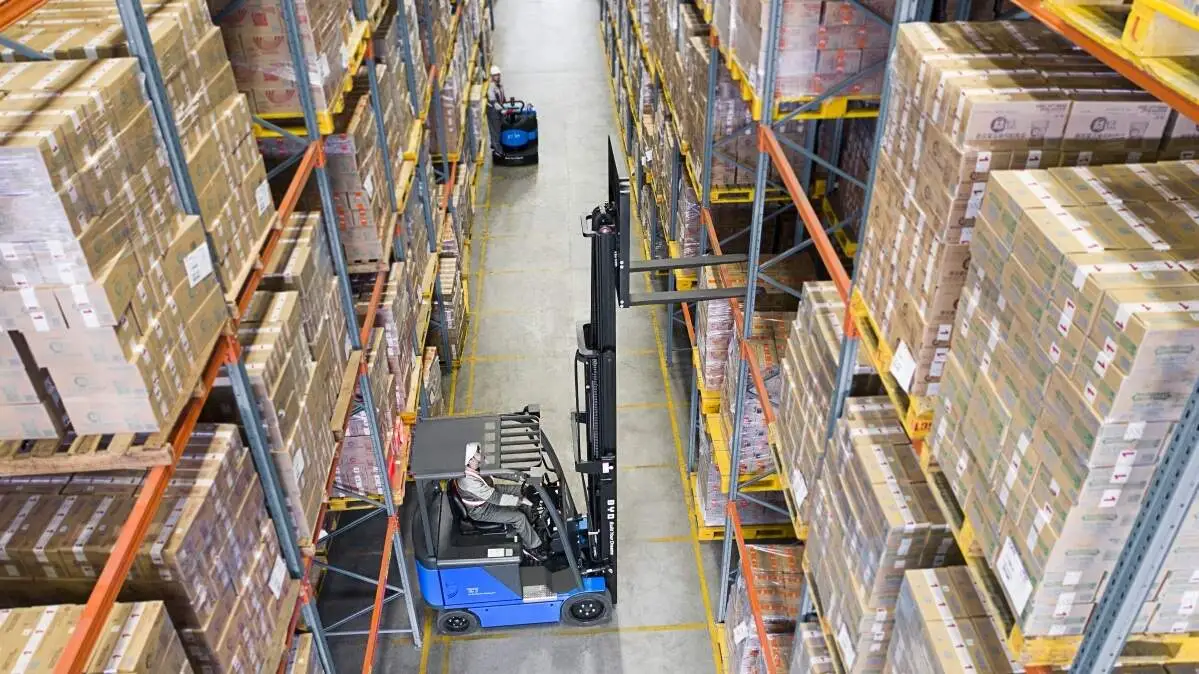
Used 96-inch forklift forks offer a cost-effective alternative to new components for businesses looking to reduce equipment expenses, but thorough inspection is non-negotiable to avoid safety hazards and operational disruptions. Prioritizing rigorous checks ensures compliance with industry safety standards and extends the usable lifespan of the forks, delivering long-term value.
Start with a comprehensive visual inspection to identify cracks and deformation. Examine every part of the fork, from the blade tip to the heel where it attaches to the carriage. Stress points, such as the transition between the blade and heel, are prone to hairline cracks that can spread under load, leading to catastrophic failure. Look for any bending or twisting in the blade, which often signals past overloading or improper handling—even minor deformations can compromise load stability during operation.
Next, conduct precise wear measurement to assess if the forks meet industry safety criteria. For 96-inch forks, use calipers or a micrometer to measure the blade thickness at its thickest section and compare it to the original manufacturer’s specification. Most safety standards mandate replacement if wear exceeds 10% of the original thickness, as excessive wear reduces the fork’s load-bearing capacity. Pay special attention to high-wear areas like the blade tip and the flat load-bearing surface, where repeated contact with pallets accelerates deterioration.
Verify structural integrity by inspecting the carriage mounting system. Check the mounting pins and brackets for signs of wear, corrosion, or damage. Ensure the forks fit securely into the carriage with minimal play—excessive movement can lead to instability during lifting operations. Inspect the heel’s mounting holes for elongation or cracking, as these issues can prevent proper attachment and pose a safety risk. If the forks include a backrest, confirm it’s free from bending or structural damage that could fail to secure loads.
Request historical usage and maintenance records from the seller to gain insight into the forks’ past performance. Ask for logs detailing regular inspections, repairs, and the type of environment the forks operated in—harsh conditions like outdoor construction sites or chemical facilities can accelerate wear and corrosion. Evidence of consistent maintenance indicates the previous owner prioritized safety, reducing the likelihood of hidden issues.
Finally, consider a professional load test to validate the forks’ performance under stress. Test with a weight equal to the forks’ rated capacity, observing for any bending, unusual noises, or shifting. This test should be conducted by a qualified technician to ensure accuracy and safety, as it confirms whether the forks can reliably handle intended loads without failure.
By following these inspection points, businesses can confidently source used 96-inch forklift forks that balance cost savings with safety and reliability, avoiding costly replacements and operational downtime.