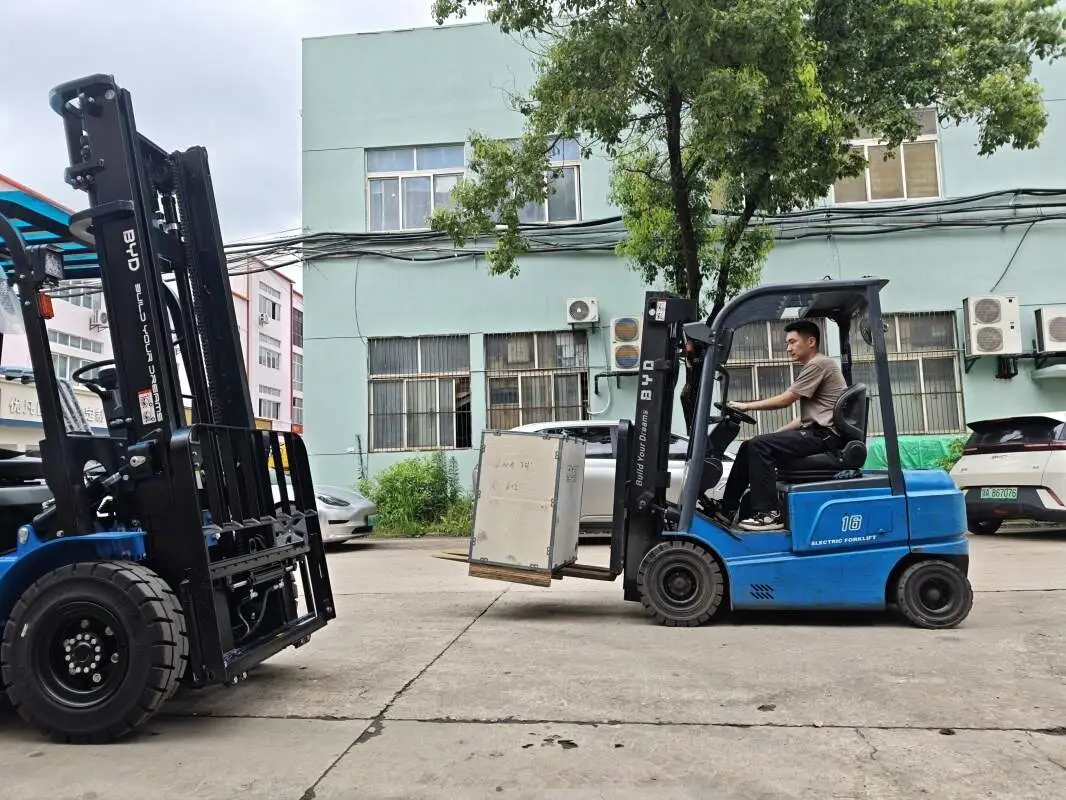
Used forklift man cages are cost-effective solutions for elevated tasks like inventory management, equipment maintenance, and facility repairs, but their prior usage history means potential wear and tear that demands rigorous pre-use checks. Skipping these inspections can lead to structural failures or safety incidents, making systematic evaluation a non-negotiable step before field utilization.
First and foremost, assess the overall structural integrity of the used man cage. Carefully examine the metal framework, including vertical posts, horizontal beams, and platform supports, for signs of cracks, bending, or warping. Pay close attention to welded joints—look for signs of weld spatter, incomplete fusion, or rust-induced corrosion that could weaken the connection. Even minor structural damage can compromise the cage’s load-bearing capacity, so any suspicious areas should be evaluated by a qualified technician before use.
Next, verify the functionality of connection and securing mechanisms. These components are critical for attaching the cage firmly to the forklift’s tines. Inspect hooks, latches, and locking pins for wear, deformation, or rust. Test each lock to ensure it engages smoothly and holds securely without slippage. Check that all bolts and nuts used to fasten connection parts are tightened to the manufacturer’s recommended torque levels; loose fasteners can cause the cage to shift or detach during operation.
Safety devices are another key inspection focus. Start with the cage’s guardrails—confirm they meet minimum height requirements and are free from dents, breaks, or missing components. Test the entry gate’s locking mechanism to ensure it stays closed during operation. If the cage is equipped with fall protection anchors, inspect these points for structural stability and ensure they are compatible with standard safety harnesses. Any damaged or malfunctioning safety devices must be repaired or replaced before the cage is put into service.
Examine the platform surface and accessory components as well. Check the non-slip flooring for excessive wear, cracks, or peeling material that could increase the risk of slips and falls. Look for sharp edges or protruding metal parts on the platform that could cause injuries. If the cage includes tool holders or storage compartments, verify these are securely attached and free from damage that could cause tools to fall during elevated work.
Finally, review any available documentation and safety labels. Check for clear, legible labels indicating maximum load capacity, weight limits for personnel, and basic usage instructions. If labels are missing or faded, recreate them using standard safety guidelines to ensure operators are aware of critical limitations. If the cage has a maintenance or inspection history, review records to identify recurring issues or past repairs that may require additional scrutiny.
By completing these comprehensive inspection points, you can mitigate safety risks associated with used forklift man cages and ensure compliance with workplace safety regulations. Regular ongoing inspections, alongside prompt repairs and maintenance, will extend the lifespan of the cage and keep operators protected during every elevated task.