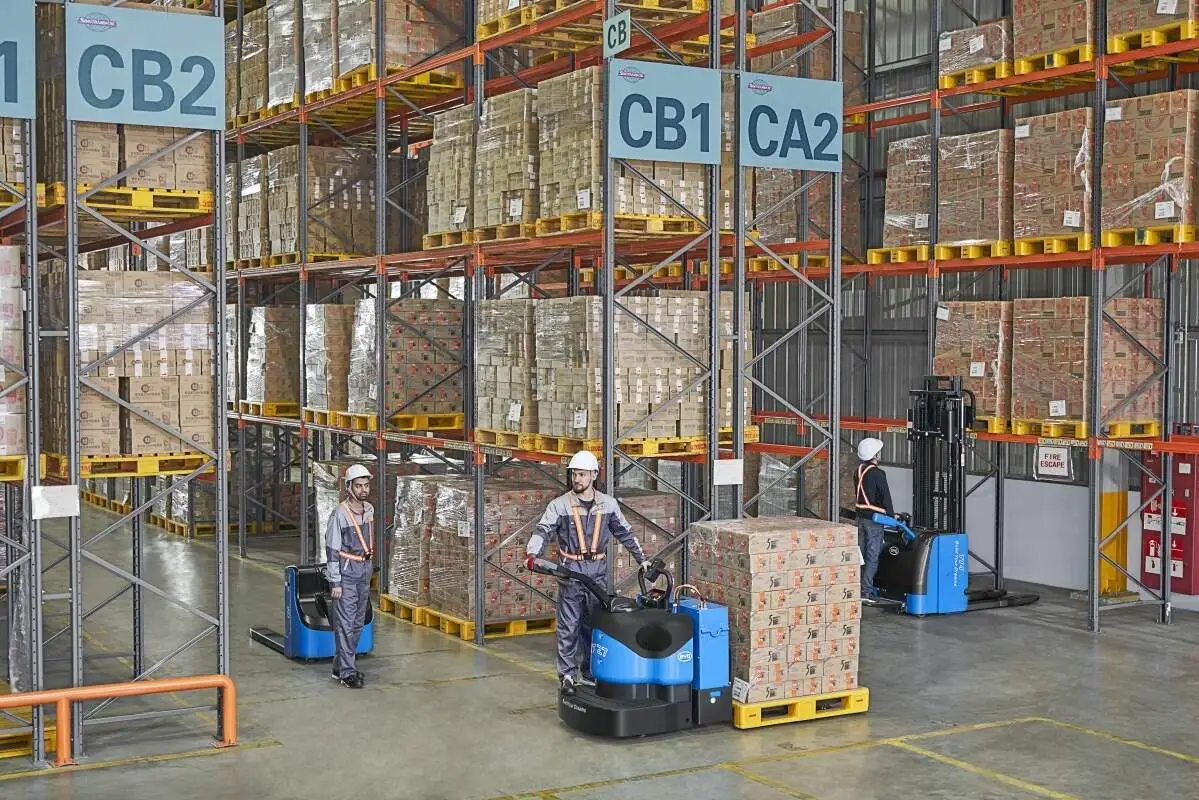
Unplanned downtime of electric forklifts can disrupt warehouse operations, delay order fulfillment, and increase operational costs. In such scenarios, forklift error codes emerge as a powerful tool to enable fast and accurate equipment fault diagnosis, helping maintenance teams address issues before they escalate.
Forklift error codes are pre-programmed messages generated by the vehicle’s control system when it detects an anomaly in components or systems. These codes provide specific insights into the root cause of a problem, eliminating the need for time-consuming manual inspections across all parts. For instance, a code indicating a battery-related issue directs technicians to focus on the power supply system rather than checking unrelated components like the hydraulic lift or steering mechanism.
To effectively use error codes for fault diagnosis, maintenance teams must first understand how to access and interpret them. Most electric forklifts display codes on the dashboard or a dedicated diagnostic screen. Operators should be trained to note these codes immediately when they appear, along with any accompanying symptoms such as unusual noises or reduced performance. Consulting the equipment’s official manual is critical, as it translates each code into a clear explanation of the issue and recommended troubleshooting steps. It’s also important to distinguish between warning codes, which signal potential issues that require attention, and critical fault codes, which indicate immediate problems that demand shutdown to prevent further damage.
Common error codes encountered in electric forklifts include those related to battery voltage irregularities, hydraulic system pressure deviations, faulty sensor readings, and motor overheating. For example, a low battery voltage code may indicate a failing battery cell or a malfunctioning charging system. Technicians can use this code to perform targeted tests, such as measuring battery output or inspecting charging connections, to identify the exact issue. Similarly, a hydraulic pressure code may point to a leak in the hydraulic lines or a worn pump, allowing teams to quickly locate and repair the problem.
Practical strategies to maximize the value of error codes include maintaining a log of all recorded codes and corresponding resolutions. This log helps identify recurring issues, enabling proactive maintenance to prevent future downtime. Additionally, regular training for both operators and maintenance staff ensures that codes are recognized and interpreted correctly, reducing delays in diagnosis. Keeping the forklift’s control system software updated is also essential, as manufacturers may release new codes or refine existing ones to improve diagnostic accuracy.
In conclusion, leveraging forklift error codes is a cost-effective and efficient approach to fast equipment fault diagnosis. By understanding how to interpret these codes and implementing best practices for their use, warehouse operations can minimize downtime, extend equipment lifespan, and maintain smooth, productive workflows.