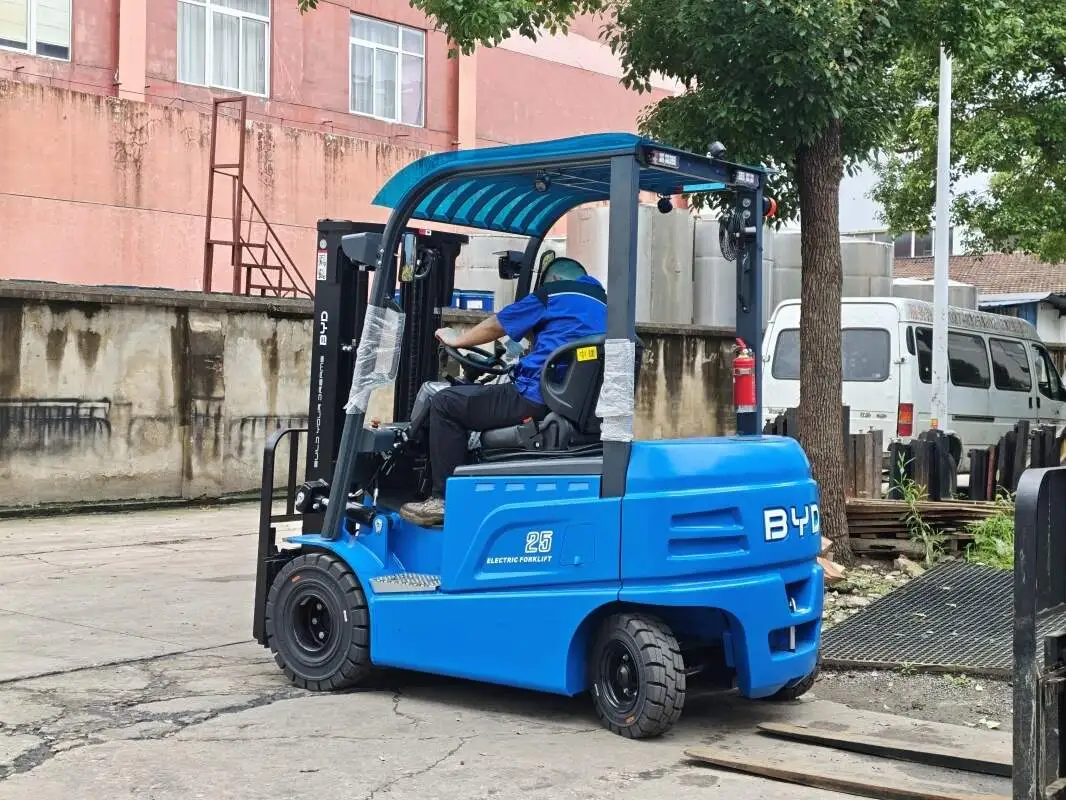
Forklifts are essential tools in warehouses, construction sites, and manufacturing facilities, but they also pose significant safety risks if not managed properly. Each year, OSHA (Occupational Safety and Health Administration) publishes detailed forklift accident reports that offer critical data on incident causes, locations, and contributing factors. For site managers and safety teams, these reports are more than just documentation—they are a roadmap to proactive safety improvement.
One of the most valuable takeaways is the ability to identify undetected hazard zones. OSHA reports often highlight recurring accident hotspots, such as narrow aisle intersections, loading dock areas, or zones where pedestrian traffic overlaps with forklift routes. By analyzing these patterns, site leaders can implement targeted solutions: installing bright, reflective warning signs at high-risk intersections, adding physical barriers to separate pedestrian and forklift paths, or adjusting speed limits in congested areas. These small changes can drastically reduce the likelihood of collisions and near-misses.
Another key insight lies in refining forklift operator training programs. A large percentage of forklift accidents stem from human error, including improper operation, failure to follow safety protocols, or lack of situational awareness. OSHA reports break down these errors by type, revealing gaps in training curricula. For example, if multiple incidents involve operators failing to secure loads properly, safety teams can add hands-on load-securing drills to training sessions and include regular refreshers on weight capacity guidelines. Additionally, simulating real-world scenarios—like navigating tight spaces or responding to equipment malfunctions—helps operators build the skills needed to handle unexpected situations safely.
OSHA reports also emphasize the importance of enhancing preventive maintenance protocols. Many accidents occur due to neglected equipment issues, such as faulty brakes, worn tires, or malfunctioning horn systems. The reports document how these overlooked problems lead to incidents, underscoring the need for a structured maintenance schedule. Site managers can establish daily pre-operation checklists for operators to inspect key components, schedule monthly professional inspections, and keep detailed maintenance logs to track equipment health. By addressing small issues before they escalate, sites can avoid costly accidents and downtime.
Finally, optimizing site layout and traffic management is a critical takeaway. Reports often note that poor traffic flow and unclear signage contribute to collisions and accidents. Site leaders can use this data to redesign routes, creating dedicated forklift lanes with clear marking and separating high-traffic areas from storage zones. Installing convex mirrors at blind corners and using digital traffic monitoring systems can also improve visibility and reduce risks. Moreover, implementing a system for scheduling forklift use during low-pedestrian hours can minimize overlapping activities and enhance overall site safety.
In conclusion, OSHA forklift accident reports are an invaluable resource for any workplace that uses these machines. By leveraging the data and insights from these reports, site managers can take proactive steps to identify hazards, improve training, enhance maintenance, and optimize site layouts. These changes not only protect employees from harm but also reduce operational disruptions and financial losses associated with accidents. Regularly reviewing and applying these takeaways ensures a continuous cycle of safety improvement, creating a safer and more efficient work environment for everyone.