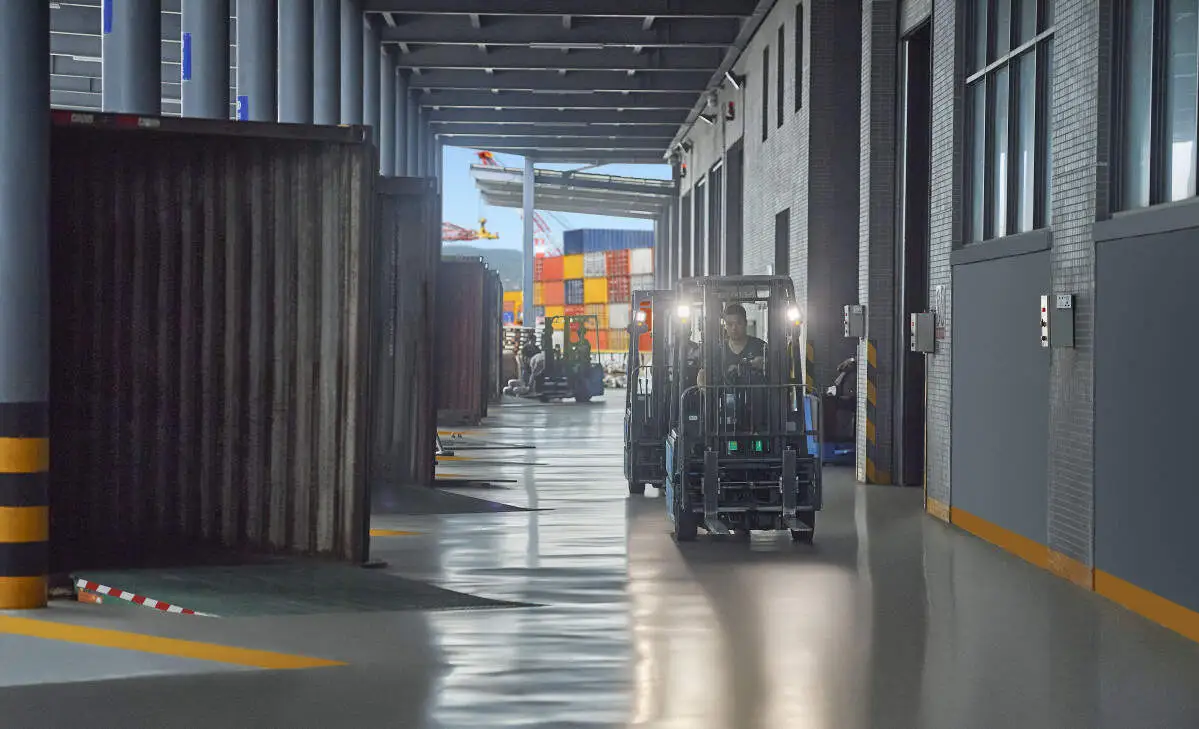
For small and medium-sized (SMB) factories, selecting the right warehouse electric forklift is critical to streamlining daily operations, improving efficiency, and controlling long-term costs. Unlike large facilities with extensive resources, SMBs need a forklift that balances functionality, affordability, and adaptability to their specific warehouse layouts and operational demands.
Assess Load Capacity Needs
Start by evaluating the average and maximum weight of goods your warehouse handles daily. Choosing a forklift with a load capacity that matches your typical tasks avoids overpaying for unnecessary power or risking equipment damage from overloading. For most SMB warehouses, models with a load capacity between 1.5 to 3 tons are sufficient for handling pallets, cartons, and common industrial goods.
Prioritize Maneuverability
SMB warehouses often have narrower aisles and limited turning space compared to large distribution centers. Opt for an electric forklift with a compact design and tight turning radius to navigate these spaces smoothly. Consider the overall dimensions of the forklift, including height, to ensure it fits under racking systems and can operate in low-ceiling areas without restrictions.
Evaluate Power Source Options
electric forklifts are powered by either lead-acid batteries or lithium-ion batteries. Lead-acid batteries are more cost-effective upfront but require longer charging times and regular maintenance, such as topping up electrolyte levels. Lithium-ion batteries, while having a higher initial cost, offer faster charging, longer lifespan, and lower long-term maintenance requirements, making them ideal for SMBs looking to minimize downtime.
Consider Maintenance Requirements
SMBs often lack dedicated maintenance teams, so choosing a forklift with simple maintenance needs is essential. Look for models with easily accessible components, minimal moving parts, and clear maintenance guidelines. Regular upkeep, such as battery checks and tire inspections, can extend the forklift’s lifespan and reduce unexpected repair costs.
Factor in Operator Comfort and Ease of Use
A user-friendly forklift reduces training time for operators and lowers the risk of errors or accidents. Features like adjustable seats, intuitive control panels, and good visibility can enhance operator comfort and efficiency. Ensuring that your team can quickly adapt to the forklift will help maintain smooth operations without significant downtime for training.
When selecting a warehouse electric forklift for your SMB factory, it’s important to align your choice with your specific operational needs, budget, and long-term goals. By considering these key factors, you can choose a forklift that enhances productivity and supports your business growth. For personalized guidance and tailored solutions, reach out to us at 17399989919@163.com for BYD forklift options designed to meet the unique demands of small and medium-sized factories.