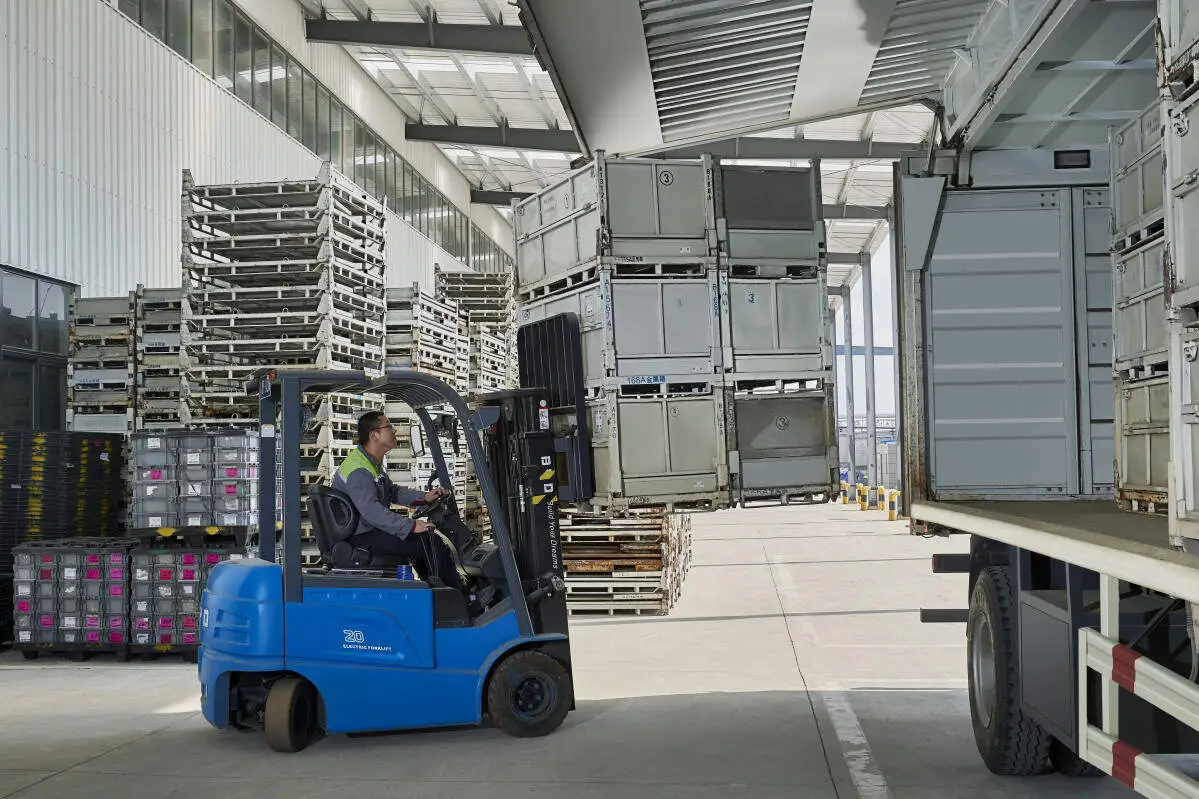
Effective warehouse layout planning is a cornerstone of operational efficiency, with forklift aisle width standards playing a critical role in balancing safety, productivity, and space utilization. For warehouses relying on electric forklifts, adhering to these standards ensures seamless movement, reduces collision risks, and maximizes storage capacity.
Understanding standard forklift aisle width begins with recognizing the specific needs of electric forklifts. Unlike traditional internal combustion models, electric forklifts often have compact designs, but their maneuverability still depends on properly sized aisles. General industry guidelines recommend minimum aisle widths based on forklift type and load size. For counterbalance electric forklifts, a typical minimum aisle width ranges from 10 to 12 feet, while narrow-aisle electric forklifts can operate in aisles as narrow as 6 to 8 feet, provided the warehouse is equipped with appropriate racking systems.
Safety is a primary driver behind these standards. Inadequate aisle width increases the likelihood of forklift collisions with racks, inventory, or personnel. Properly sized aisles provide sufficient space for operators to maneuver, especially when turning or transporting loads. Additionally, clear aisle widths ensure compliance with workplace safety regulations, reducing the risk of fines and workplace incidents.
Space optimization is another key benefit of following aisle width standards. By aligning aisle dimensions with forklift capabilities, warehouses can avoid wasting valuable floor space on overly wide aisles while preventing bottlenecks from aisles that are too narrow. This balance allows for more storage racks to be installed without compromising operational flow, directly boosting inventory holding capacity.
When implementing warehouse layout planning based on these standards, several steps should be taken. First, conduct a thorough assessment of the electric forklifts in use, including their turning radius, load capacity, and operational requirements. Next, map out the warehouse space, considering traffic flow patterns, storage zones, and pedestrian pathways. Collaborate with forklift experts to adjust aisle widths accordingly, ensuring they meet both industry standards and the warehouse’s unique operational needs.
For businesses seeking professional guidance on optimizing their warehouse layout with electric forklift aisle standards, Jianshu New Energy offers specialized expertise. Our team can assist in evaluating your current layout, recommending tailored aisle width solutions, and ensuring your warehouse is configured for maximum efficiency and safety. For more information, reach out to us at 17399989919@163.com.