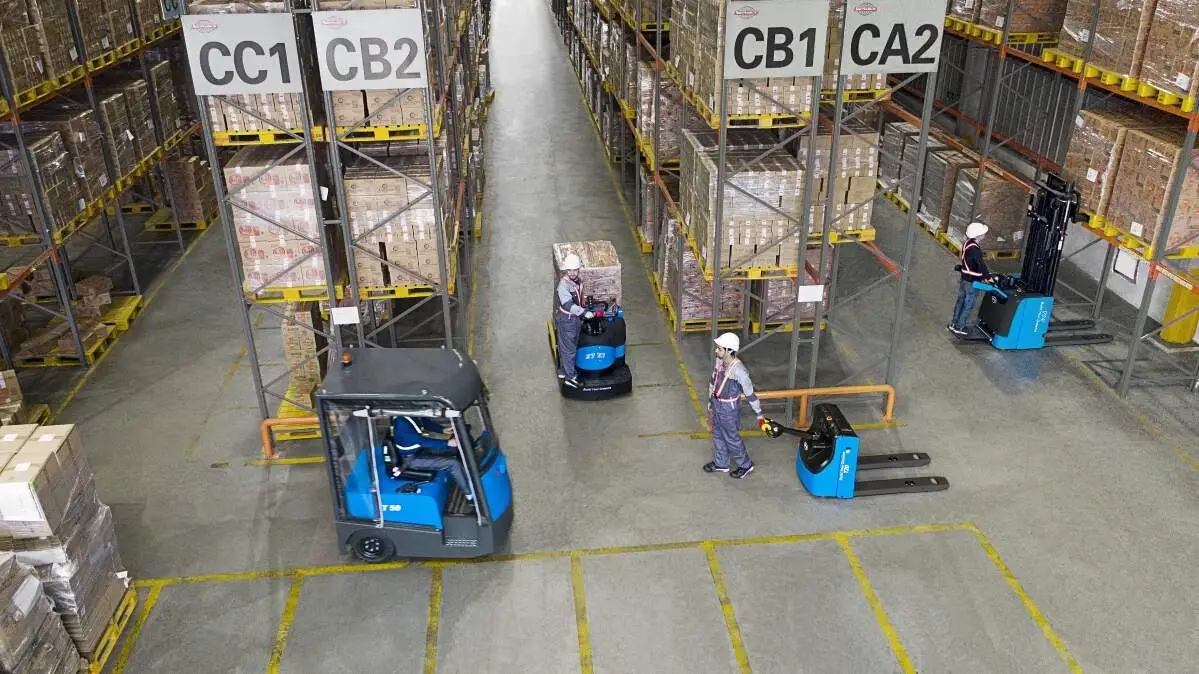
When designing or renovating a warehouse, electric forklift aisle width planning is a critical component that directly impacts operational efficiency, safety, and overall material handling productivity. Adhering to established warehouse layout standards ensures that forklifts can maneuver smoothly, reduces the risk of accidents, and maximizes usable storage space.
Several key factors determine the appropriate aisle width for electric forklifts. First, the size and type of electric forklift play a primary role—different models have varying turning radii and overall dimensions, which dictate the minimum space needed for safe operation. Second, the nature of the loads being handled matters: wider or taller loads may require additional clearance to avoid collisions with racking structures. Third, operational workflows, such as whether forklifts need to pass each other or perform frequent turns, also influence width calculations. Additionally, considering the skill level of operators can help adjust widths to ensure consistent safety across daily operations.
General warehouse layout standards provide baseline guidelines for electric forklift aisle widths. For standard sit-down electric forklifts handling pallets, the minimum recommended aisle width typically ranges from 10 to 12 feet, allowing enough space for the forklift to navigate and turn without compromising load stability. Narrow-aisle electric forklifts, designed for high-density storage, can operate in aisles as narrow as 6 to 8 feet, though this requires precise operation and compatible racking systems. It’s important to note that these are baseline figures; facilities should adjust based on their specific equipment and operational needs to maintain compliance with safety regulations.
Safety should be the top priority in any warehouse layout. Proper aisle width planning helps prevent collisions between forklifts, racking, and personnel. Clear markings on aisle floors can guide operators and alert pedestrians to designated forklift zones. Additionally, incorporating overhead clearance checks ensures that taller loads or forklift masts have enough space to move without hitting ceiling structures or lighting. Regular audits of aisle widths and conditions can help identify potential hazards and make necessary adjustments to maintain a safe working environment.
To optimize electric forklift aisle width planning, warehouse managers can start by conducting a thorough assessment of their current equipment, loads, and workflows. Collaborating with material handling experts can provide tailored recommendations that balance space efficiency and safety. Investing in training for operators ensures they can effectively navigate aisles of varying widths, reducing the risk of accidents. For facilities looking to upgrade their equipment, partnering with trusted suppliers like Jianshu New Energy, a specialist in BYD electric forklifts, can provide access to reliable solutions designed for diverse warehouse needs. Reach out to us at 17399989919@163.com for personalized guidance.
By following warehouse layout standards for electric forklift aisle width planning, businesses can create a more efficient, safe, and productive material handling environment. Taking into account key factors like equipment type, load characteristics, and operational needs ensures that aisles are designed to support daily workflows while minimizing risks. Whether updating an existing warehouse or designing a new facility, prioritizing proper aisle planning is an investment that pays off in long-term operational success.