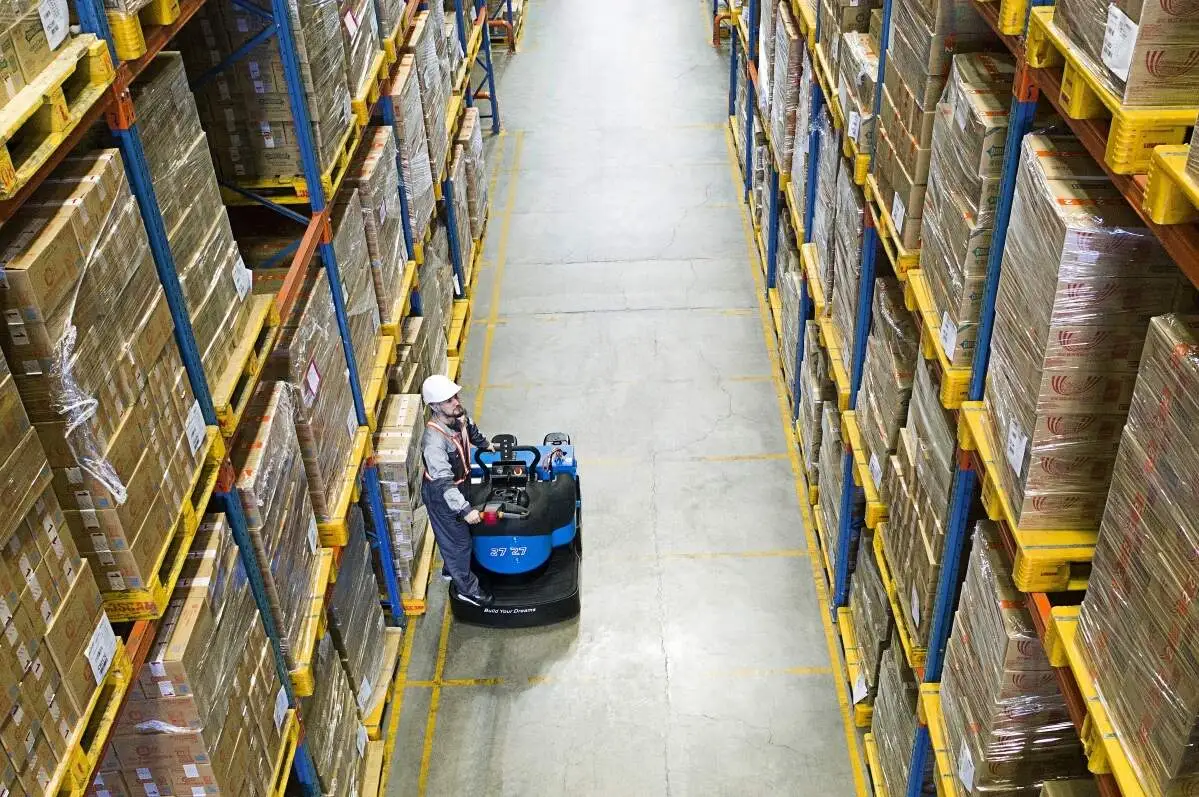
Effective warehouse planning hinges on aligning material handling equipment with storage infrastructure, and one critical alignment is matching forklift specifications to rack height requirements. Getting this right boosts operational efficiency, maximizes storage space, and ensures workplace safety.
Start by assessing your rack height requirements accurately. This goes beyond the structural height of the racks; you must account for the height of the loads being stored plus a minimum clearance of 6 to 12 inches between the load and the rack beam above. This clearance prevents damage to both the rack and cargo during lifting and placement, and it also accounts for slight variations in load height. For example, if your top rack beam sits at 20 feet and your average load is 4 feet tall, you’ll need a forklift that can safely reach at least 24.5 feet to accommodate the clearance.
Next, evaluate the forklift’s core specifications related to lift height and capacity. The maximum lift height is the highest point the forks can reach while carrying a rated load, and it must exceed your calculated required height. Pay close attention to the load center—typically 24 inches from the face of the forks. A heavier load or a load shifted beyond this center can reduce the effective lift height, so ensure the forklift’s capacity rating matches your typical load weight and dimensions. Different forklift types offer varying lift capabilities: counterbalance forklifts work well for lower racks, while reach trucks or order pickers are better suited for higher storage levels in narrow aisles.
Maneuverability is another key factor that ties into rack height alignment. Even if a forklift has the right lift height, poor maneuverability can slow operations or cause damage. Narrow aisle racks require forklifts with a smaller turning radius and possibly articulating forks to navigate tight spaces. Measure your aisle widths and compare them to the forklift’s turning radius and overall width to ensure smooth movement. Also, consider vertical clearance for the forklift itself—some models have taller mast heights when lowered, which could be an issue if your warehouse has low ceiling heights above the racks.
Safety should remain a top priority throughout this process. Ensure the forklift is rated for the intended rack height and load weight to prevent tip-overs or structural failures. Operators must receive specialized training for the specific forklift model, especially when working at maximum lift heights, where stability becomes more critical. Regular maintenance checks, including inspecting mast chains and hydraulic systems, are essential to maintain the forklift’s lift capacity and safety over time. Compliance with local workplace safety regulations is non-negotiable to protect both personnel and assets.
By taking a systematic approach—starting with a thorough assessment of storage needs, evaluating forklift capabilities, accounting for operational space, and prioritizing safety—you can create a warehouse layout that optimizes storage efficiency and supports smooth daily operations. This alignment is a foundational step in effective warehouse planning that pays off in reduced downtime, lower maintenance costs, and a safer work environment.