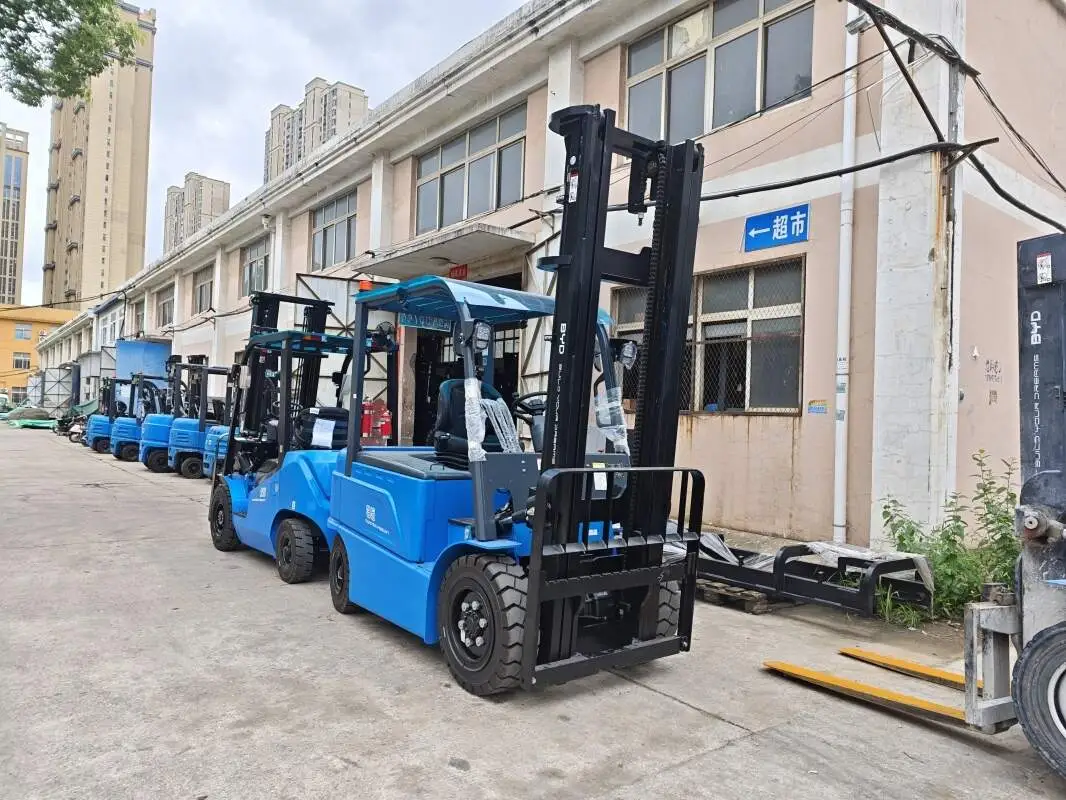
electric forklifts are workhorses in warehouses, distribution centers, and manufacturing facilities, driving efficiency and productivity in material handling operations. However, like any heavy-duty equipment, they are prone to wear and tear over time. Ignoring early warning signs can lead to costly breakdowns, extended downtime, and even safety hazards. Recognizing these signals and scheduling timely repair service is key to keeping your electric forklift running smoothly.
One of the most obvious warning signs is unusual noises during operation. If you notice grinding, whining, or clunking sounds when the forklift is moving, lifting loads, or turning, it could indicate underlying issues. Grinding noises might point to worn-out bearings in the wheels or mast, while a high-pitched whine could signal problems with the hydraulic pump or motor. Clunking sounds when shifting gears or lifting heavy loads may suggest loose components or damaged transmission parts. These noises are not just annoying—they are your forklift’s way of alerting you that something is amiss.
Diminished performance is another critical indicator that repair service is needed. If your electric forklift takes longer to accelerate, struggles to lift its rated load capacity, or moves slower than usual, it could be a sign of motor degradation, battery fatigue, or a clogged hydraulic system. Reduced performance not only slows down daily operations but also puts extra strain on other components, potentially leading to more severe damage down the line. For example, a weakened battery may not provide enough power to operate the lift mechanism, forcing the motor to work harder and shortening its lifespan.
Battery-related issues are common in electric forklifts and should never be overlooked. If you find that the battery takes significantly longer to charge than usual, or if its runtime drops abruptly even after a full charge, it may be time for a battery inspection or repair. Corroded terminals, damaged wiring, or a failing charging system can also cause battery problems. A faulty battery not only disrupts operations but can also pose safety risks, such as leaks or overheating. Regular battery maintenance can help extend its life, but timely repair is essential when issues arise.
Hydraulic system malfunctions are another red flag. The hydraulic system is responsible for lifting and lowering loads, so any issues here directly impact the forklift’s functionality. Signs of hydraulic problems include slow or uneven lifting, leaking fluid, or difficulty controlling the lift height. Leaks can lead to low fluid levels, which in turn cause the system to work harder and overheat. Worn seals, damaged hoses, or a faulty pump are common causes of hydraulic failures. Addressing these issues promptly prevents further damage to the system and ensures safe load handling.
Finally, pay attention to illuminated warning lights on the forklift’s dashboard. Modern electric forklifts are equipped with diagnostic systems that trigger warning lights when they detect issues with the motor, battery, hydraulic system, or other components. These lights may indicate anything from low fluid levels to a malfunctioning sensor. While some lights may signal minor issues, others could indicate serious problems that require immediate repair. Ignoring these warnings can lead to catastrophic failures and safety incidents.
If you observe any of these warning signs in your electric forklift, it’s crucial to seek professional repair service as soon as possible. We are Jianshu New Energy, specializing in electric forklift maintenance and repair. Our team of experts can diagnose and resolve issues efficiently, helping you minimize downtime and keep your operations running smoothly. For more information or to schedule a service, please contact us at 17399989919@163.com.