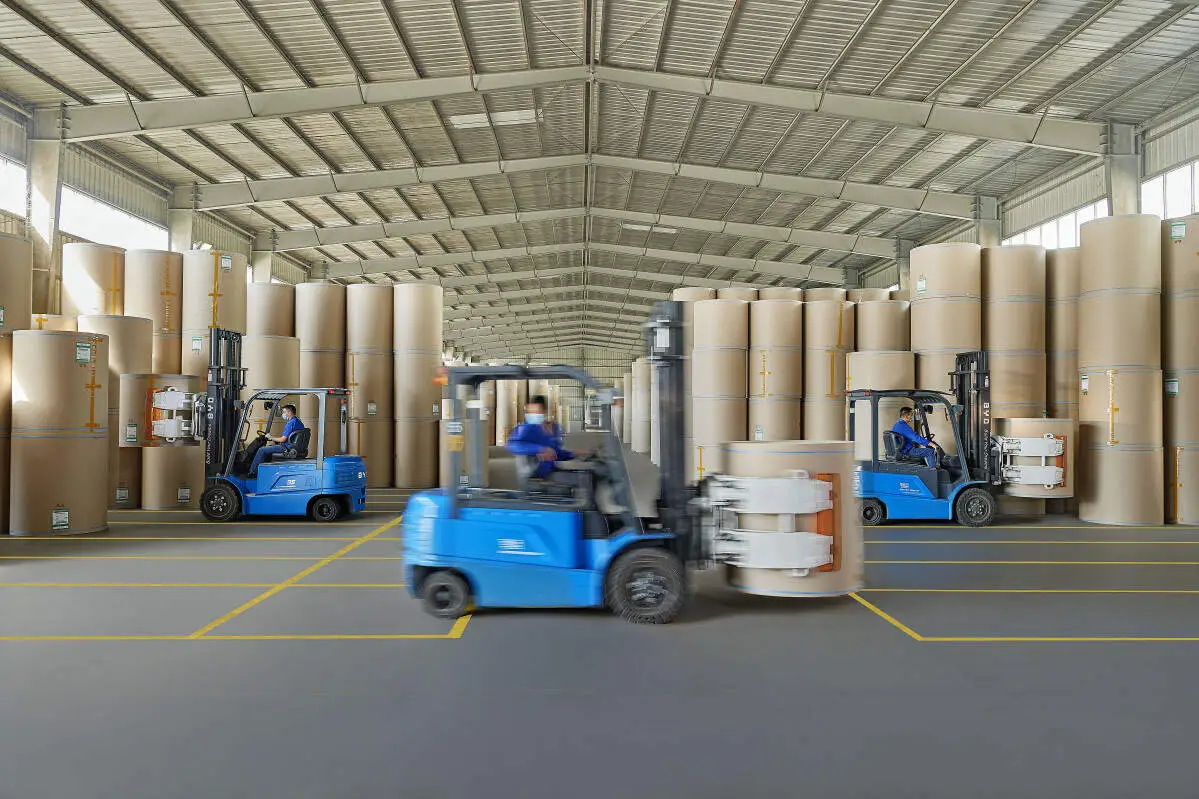
Solid forklift tires are a critical component for material handling operations, designed to withstand heavy loads, rough surfaces and frequent use in industrial settings. Over time, constant friction and weight-bearing lead to tire wear, which can compromise forklift stability, safety and operational efficiency if not addressed promptly. This is where wear-limit indicators play a vital role in proactive maintenance.
Wear-limit indicators are integrated markers within solid forklift tires, engineered to provide clear visual cues when the tire has reached its safe operational threshold. Typically, these indicators are small raised elements or color-coded strips embedded in the tire’s tread pattern. As the tire wears down through regular use, the tread surface gradually erodes, eventually exposing the indicator. This visible signal serves as a clear alert that tire replacement is imminent, eliminating guesswork from maintenance schedules.
The primary benefit of these indicators is enhancing operational safety. Worn tires increase the risk of skidding, especially on wet or uneven surfaces, and can lead to sudden tire failure during heavy lifting. By enabling timely replacement, wear-limit indicators help prevent accidents that could harm workers or damage goods. Additionally, they support efficient maintenance planning. Facility managers can use the indicators to schedule tire changes during planned downtime, minimizing disruptions to daily operations. This proactive approach also reduces unnecessary costs, as it avoids replacing tires prematurely while preventing the extended use of worn-out tires that can cause additional damage to the forklift’s suspension system.
To maximize the value of wear-limit indicators, regular inspection is essential. Operators should include tire checks in their pre-shift routines, looking for exposed indicators or signs of uneven wear. It’s important to note that wear-limit indicators are a guide, not the sole factor in tire replacement. Factors such as operating environment, load frequency and tire quality also influence the replacement timeline. Training staff to recognize and interpret these indicators ensures that no warning signs are missed, keeping the forklift fleet in optimal condition.
In conclusion, wear-limit indicators are a simple yet effective tool for maintaining solid forklift tires. By providing clear, actionable signals for timely replacement, they contribute to a safer work environment, reduce operational downtime and lower long-term maintenance costs. Incorporating regular checks of these indicators into your forklift maintenance protocol is a smart investment in both safety and efficiency.