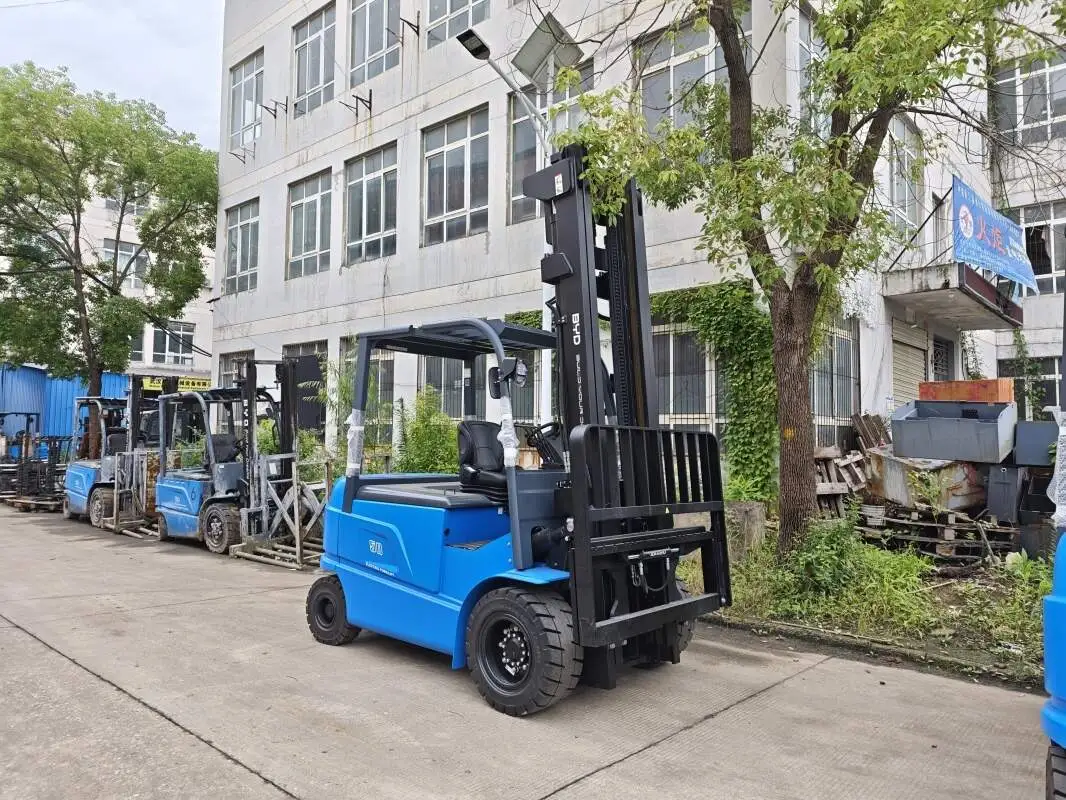
A Job Safety Analysis (JSA) document is an indispensable framework for minimizing risks in electric forklift operations, ensuring workplace compliance, and safeguarding both operators and on-site personnel. Crafting a comprehensive, standard JSA requires careful attention to several critical components, each designed to address unique aspects of electric forklift use.
First, the document must start with clear job identification. This section should specify the exact task being analyzed—such as indoor pallet transportation, outdoor cargo loading, or battery maintenance—along with key details like the work environment (narrow warehouses, outdoor yards), shift timings, and the specific type of electric forklift being used. This foundational information ensures the JSA is tailored to the actual operational context.
Next comes hazard identification, a core phase where all potential risks are mapped out. For electric forklifts, this includes risks like unstable load shifts, collisions with pedestrians or infrastructure, battery leakage leading to chemical hazards, insufficient charging station ventilation, and reduced visibility in low-light settings. Each hazard should be described in detail to ensure no potential threat is overlooked, as even minor oversights can lead to serious incidents.
Following hazard identification, a structured risk assessment is essential. This involves evaluating the likelihood and severity of each hazard using a consistent scale—for example, rating a pedestrian collision in a busy aisle as high likelihood and high severity. This assessment helps prioritize risks, ensuring that the most critical threats are addressed first in subsequent sections.
The control measures section then outlines actionable steps to mitigate or eliminate each identified risk. For instance, to prevent load instability, operators should be instructed to secure loads with straps and distribute weight evenly. For battery-related hazards, protocols for proper charging, storage, and spill cleanup should be clearly defined. Additionally, designated pedestrian zones and visual warning signs can reduce collision risks in shared workspaces.
Training and competency requirements are another vital component. The JSA should specify the mandatory training for electric forklift operators, including formal certification courses, regular refreshers on safety protocols, and hands-on training on electric forklift-specific features like battery management systems. Only personnel who demonstrate full competency should be permitted to operate the equipment.
Emergency response protocols must also be integrated into the standard JSA. This includes step-by-step procedures for handling incidents such as forklift collisions, battery fires, or load collapses, as well as guidance on first aid administration, evacuation routes, and how to report emergencies to relevant authorities. Having these protocols clearly documented ensures rapid, effective action during critical situations.
Finally, the JSA should include guidelines for documentation and regular review. The document should be signed by operators, supervisors, and safety officers to confirm understanding and compliance. It should also be reviewed periodically—either on a set schedule or when new tasks, equipment, or workplace changes occur—to ensure it remains relevant and effective.
For businesses looking to enhance their electric forklift safety practices, Jianshu New Energy is a specialist in BYD electric forklifts, offering not only reliable equipment but also expert guidance on developing compliant, comprehensive JSA documents tailored to operational needs. Reach out to us at 17399989919@163.com for personalized support in strengthening your workplace safety framework.