In the material handling industry, proper training for electric forklift operators is critical to ensuring workplace safety, operational efficiency, and equipment longevity. Traditional training methods, while foundational, often come with limitations—such as the risk of accidents during on-site practice, high equipment wear and tear, and restricted access to diverse operating scenarios. This is where electric forklift simulators emerge as a valuable tool, offering a controlled, immersive environment for operators to build and refine their skills without real-world risks.
One of the most significant lessons operators can learn from electric forklift simulators is proactive safety management. Simulators replicate common workplace hazards, such as narrow warehouse aisles, uneven flooring, and pedestrian traffic, allowing operators to practice responding to these scenarios in a low-stakes setting. By repeatedly navigating these challenges, operators develop muscle memory and quick decision-making skills that translate directly to safer operations in real environments. They learn to identify potential risks early, adjust their driving speed and maneuvering accordingly, and adhere to safety protocols consistently.
Beyond safety, simulators enable operators to master the unique characteristics of electric forklifts. Unlike their internal combustion counterparts, electric forklifts have specific handling traits—such as instant torque, quieter operation, and battery management requirements. Simulators can be programmed to mimic these traits, helping operators get accustomed to the vehicle’s responsiveness, learn how to optimize battery usage during shifts, and understand the nuances of operating in indoor spaces where noise and emissions are a concern. This targeted practice ensures that operators are fully prepared to handle electric forklifts with confidence once they move to real equipment.
Cost-effectiveness is another key takeaway from using simulators for operator practice. Traditional training requires allocating operational forklifts, which leads to downtime, increased maintenance costs, and battery consumption. Simulators eliminate these expenses, allowing multiple operators to train simultaneously without straining operational resources. Additionally, simulators reduce the risk of costly accidents that could damage equipment or inventory during training, further contributing to long-term cost savings for businesses.
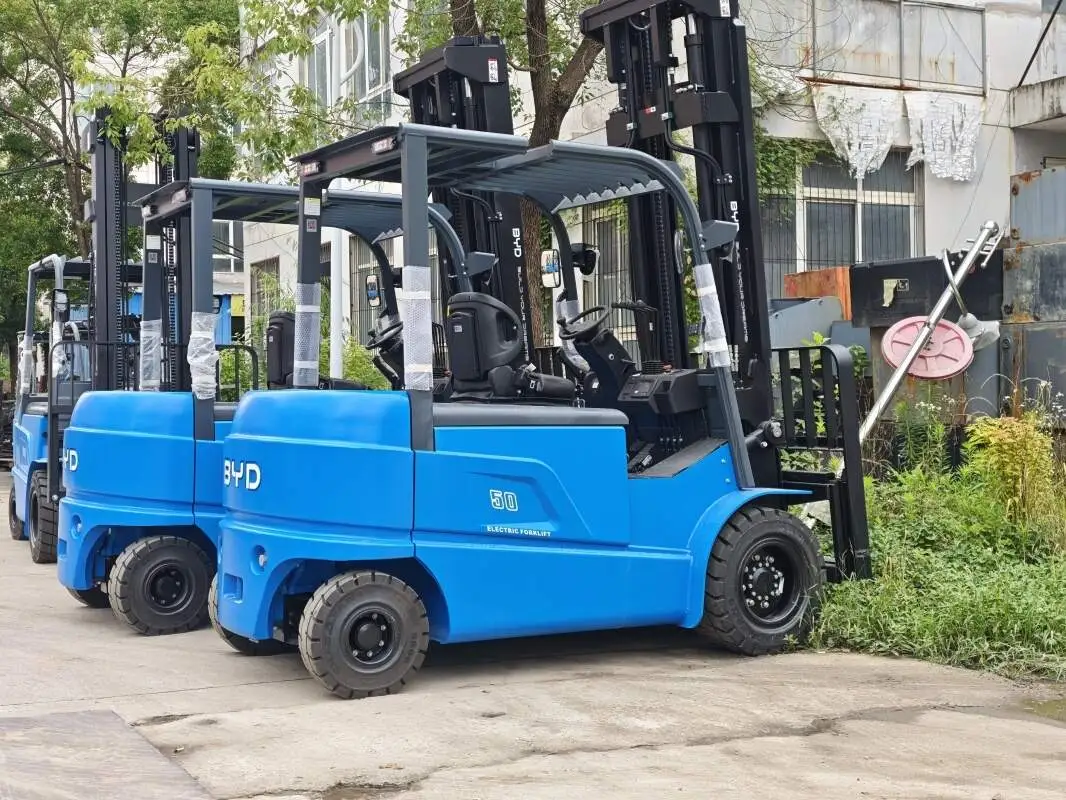
Finally, simulators offer a flexible training platform that can adapt to individual operator needs. New operators can start with basic maneuvering exercises, while experienced operators can focus on advanced scenarios like high-stacking operations or emergency response drills. This personalized approach ensures that every operator receives the training they need to excel. For businesses looking to complement simulator training with real-world practice, Jianshu New Energy specializes in BYD electric forklifts, providing reliable equipment and professional support to help operators transition smoothly from simulation to on-site operations. For more information, contact us at 17399989919@163.com.