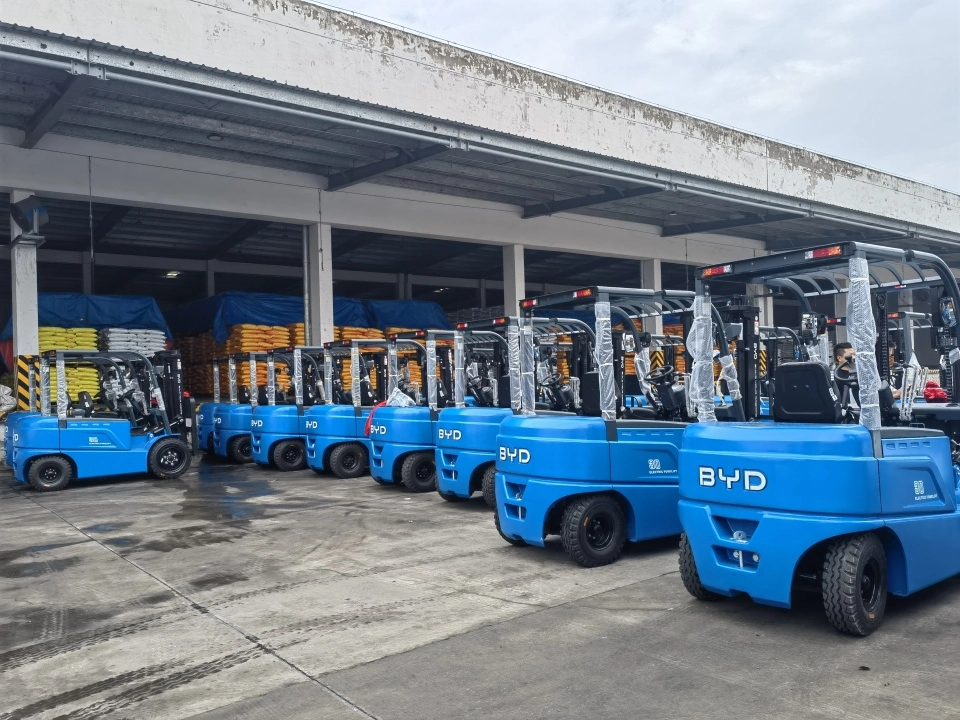
Driving a forklift safely requires knowing when to operate in reverse, a practice that’s often necessary to prevent collisions and maintain control. Many operators might overlook reverse driving protocols, but understanding the right scenarios and following safety steps is critical for workplace safety.
When navigating tight, narrow aisles where forward movement limits maneuverability or risks hitting racking, inventory, or walls, reversing is safer. In these spaces, you often have better visibility of the path behind you while keeping the load positioned away from obstacles. Always ensure the aisle is clear before initiating reverse movement, and take slow, deliberate turns to avoid scraping surfaces or tipping.
If your load blocks the forward view—for example, when carrying large, tall, or bulky items that obscure the front windshield—reversing becomes mandatory. Driving forward with limited visibility drastically increases the risk of hitting pedestrians, equipment, or structures that aren’t in your line of sight. Instead, reverse slowly, using side mirrors and checking your surroundings frequently to stay aware of potential hazards.
When unloading goods into tight storage spots or positioning items onto shelves where forward access is restricted, reversing allows you to have precise control over the load’s placement. It also ensures you can safely back away once the load is secure without risking damage to the newly placed items or the forklift itself. Take extra care to align the load correctly before reversing, and use slow, steady movements to avoid misplacement.
In rare cases where forward movement is suddenly blocked by an unexpected obstacle or hazard, reversing can be a quick way to move to safety. However, always assess the situation first—never reverse blindly without confirming the area behind is clear of people and objects. If visibility is compromised, ask a colleague to act as a spotter to guide your movements.
To ensure safe reverse operation, follow these core practices: Conduct pre-reverse checks by scanning all mirrors and blind spots before shifting into reverse. Activate the forklift’s reverse horn continuously to alert others of your presence. Maintain a slow, steady speed to keep full control, avoiding sudden accelerations or turns. Adjust your mirrors before starting your shift to ensure clear views of the sides and rear, and glance frequently between mirrors and your surroundings since mirrors won’t cover all blind spots.
Remember, reversing a forklift isn’t just about maneuverability—it’s a safety strategy to protect yourself, your colleagues, and the workplace. By recognizing the right scenarios and following these guidelines, you can minimize risks and ensure every operation is carried out safely.