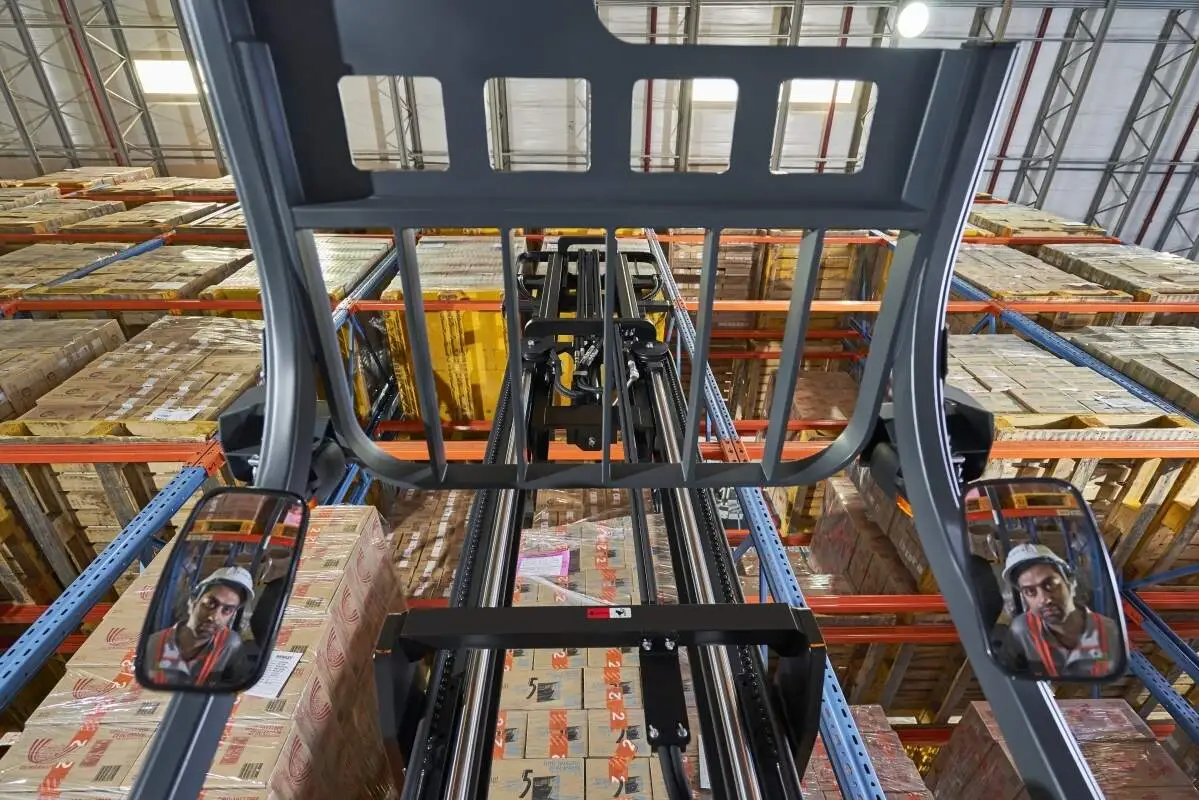
electric forklifts have become indispensable tools in warehouses, distribution centers, and manufacturing facilities, streamlining material handling operations with their efficiency and eco-friendliness. However, with great utility comes great responsibility—ensuring operator and workplace safety is non-negotiable. Among the critical safety features that underpin safe forklift operation, the seat safety interlock system stands out as a fundamental component that cannot be overlooked.
So, what exactly is a seat safety interlock system? At its core, it’s a mechanism designed to link the forklift’s operational functions to the operator’s presence in the seat. When an operator sits down and engages the seat switch, the system activates, allowing key functions like starting the vehicle, raising or lowering the forks, and moving forward or backward to operate. If the operator leaves the seat without properly shutting down the forklift or engaging the parking brake, the interlock system immediately cuts power to the drivetrain and hydraulic functions, bringing the vehicle to a safe stop.
One of the primary reasons this system matters is its ability to prevent accidental forklift movements. In busy work environments, distractions are common, and a forklift left running with an operator momentarily stepping away can pose severe risks. Without a seat interlock, the vehicle could be accidentally activated by a misplaced hand on the controls, or even roll away on an incline, leading to collisions with people, equipment, or inventory. The interlock system eliminates this risk by ensuring the forklift remains inoperable unless the operator is properly seated and ready to take full control.
Beyond preventing unintended movements, the seat safety interlock system encourages proper operator behavior. It forces operators to remain seated while operating the forklift, which is essential for maintaining optimal control. Standing or leaning out of the seat can compromise an operator’s balance and visibility, increasing the likelihood of accidents. By requiring the operator to be seated, the system promotes safer operating practices and reduces the chance of human error that could lead to injuries or property damage.
Compliance with safety regulations is another key factor. Workplace safety standards mandate that industrial vehicles like forklifts are equipped with essential safety features to protect operators and those working around them. The seat safety interlock system is often a required component under these standards, helping businesses meet regulatory requirements and avoid potential fines or legal liabilities. Moreover, investing in such safety systems demonstrates a company’s commitment to prioritizing employee well-being, which can boost morale and enhance overall workplace safety culture.
For businesses relying on electric forklifts, ensuring that your fleet is equipped with reliable seat safety interlock systems is crucial. Jianshu New Energy, a specialist in BYD electric forklifts, understands the importance of robust safety features in material handling equipment. Our team provides expert guidance on forklift safety systems, helping you select and maintain equipment that meets your operational needs while adhering to the highest safety standards. For more information or to discuss your electric forklift requirements, reach out to us at 17399989919@163.com.
In conclusion, the seat safety interlock system is far more than just a technical feature—it’s a vital safeguard that protects operators, reduces workplace accidents, and ensures compliance with safety regulations. By recognizing its importance and ensuring it’s properly maintained, businesses can create a safer working environment while maximizing the efficiency and reliability of their electric forklift operations.