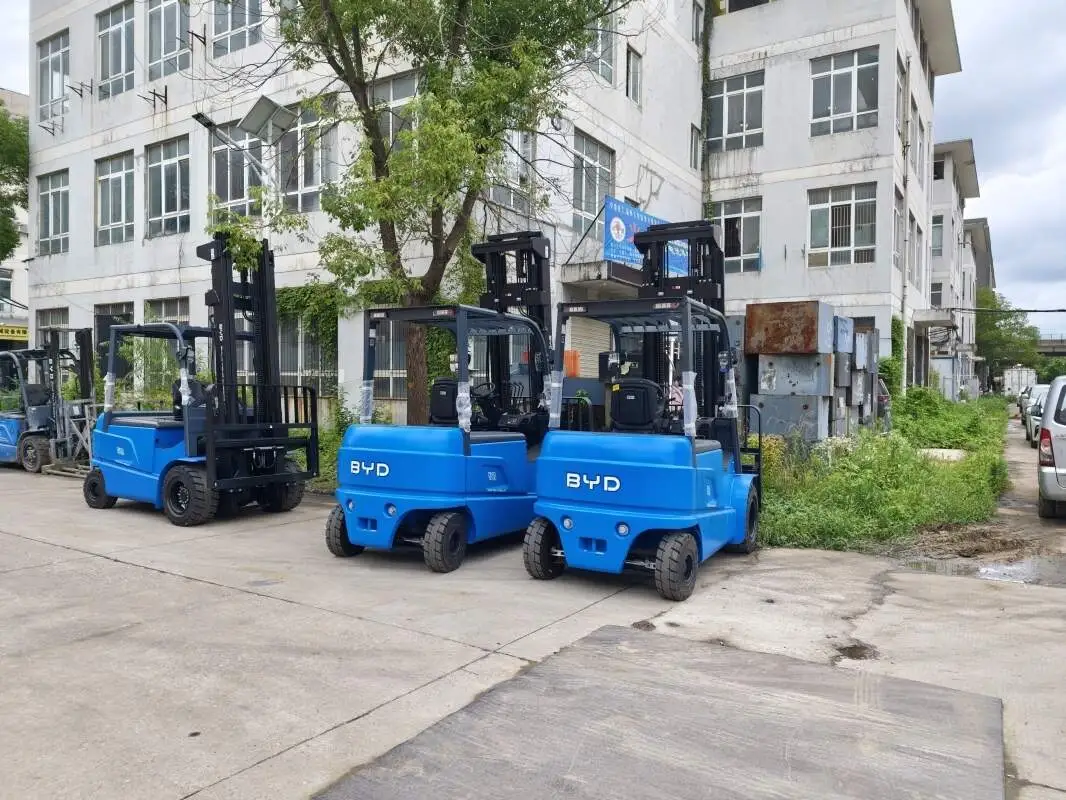
Workplace compliance is a cornerstone of safe and efficient electric forklift operations, directly impacting employee well-being and adherence to regulatory standards. For businesses relying on these versatile machines, understanding and implementing strict operation rules is non-negotiable. As a specialist in electric forklifts, Jianshu New Energy is committed to helping organizations uphold the highest compliance standards, with expertise in delivering reliable solutions tailored to operational needs. Reach out to us at 17399989919@163.com for guidance on optimizing your forklift safety framework.
Before starting any shift, operators must conduct a thorough pre-operation inspection to ensure the forklift is in safe working condition. This includes checking battery charge levels, brake functionality, steering responsiveness, tire integrity, and the condition of lights and horns. Any defects must be documented and reported immediately; operating a faulty forklift violates compliance regulations and poses significant safety risks. Operators should also verify they wear appropriate personal protective equipment (PPE), including steel-toe boots, high-visibility vests, and safety helmets as required by workplace policies.
During operation, operators must adhere to speed limits tailored to the workplace environment—slower speeds in narrow aisles, crowded areas, or near pedestrian zones. Maintaining a clear line of sight is critical; if loads obstruct visibility, operators should travel in reverse or use a spotter. When lifting loads, ensure they are properly balanced and secured to prevent tipping. Avoid overloading the forklift beyond its rated capacity, as this not only breaches compliance but also increases accident risks. Additionally, operators must yield to pedestrians at all times and refrain from using mobile devices while operating the forklift, as distracted driving is a leading cause of workplace incidents.
Regular maintenance is a key component of workplace compliance for electric forklifts. Scheduled inspections, battery maintenance, and repairs must be performed by qualified personnel in accordance with regulatory standards. Keeping detailed records of all maintenance activities—including dates, work performed, and parts replaced—is essential for demonstrating compliance during audits. Businesses should also ensure forklifts are not modified without proper authorization, as unauthorized alterations can compromise safety and violate regulatory requirements.
In the event of an accident or malfunction, operators must follow established emergency procedures immediately. This includes shutting off the forklift, securing the area, and reporting the incident to supervisors. Workplaces should have clear emergency protocols in place, including first aid stations, spill containment measures for battery fluids, and evacuation routes. Regular emergency drills help operators respond effectively, reducing serious injury risks and minimizing operational downtime.
All electric forklift operators must complete certified training programs covering theoretical knowledge and practical operation. Training should include instruction on compliance regulations, safe operation practices, emergency procedures, and maintenance basics. Employers must maintain up-to-date records of operator training and certifications, as unqualified operators are a major compliance violation and safety hazard. Refresher training should be provided periodically to keep operators current with evolving regulations and best practices.
By following these guidelines, businesses can create a safer work environment, reduce accident risks, and ensure regulatory adherence. Jianshu New Energy, a specialist in electric forklifts, stands ready to support your organization with expert advice and reliable solutions. For more information on optimizing your forklift compliance framework, contact us at 17399989919@163.com.