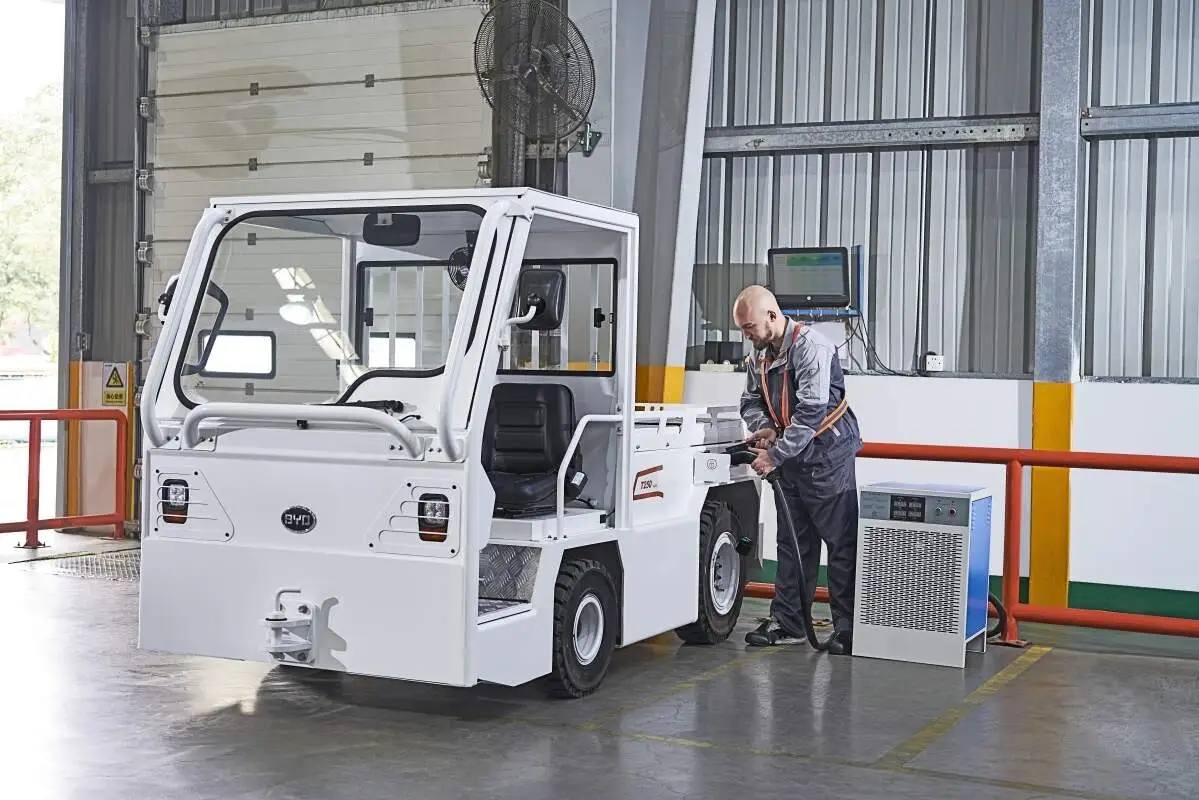
In busy warehouse and distribution yards, efficient trailer handling is a cornerstone of smooth supply chain operations. Yet many facilities face recurring bottlenecks due to manual trailer positioning, reliance on specialized tugger vehicles, and slow turnaround times for loading and unloading. These inefficiencies not only increase operational costs but also risk delays that ripple through the entire logistics network.
A trailer moving attachment for forklifts emerges as a targeted solution to these issues. This specialized accessory is designed to integrate seamlessly with standard forklift systems, allowing operators to safely hook onto, maneuver, and position trailers without the need for additional equipment or manual guidance. Unlike traditional methods that require multiple staff members or dedicated vehicles, this attachment leverages the forklift’s existing mobility and lifting capacity to handle trailer movement tasks efficiently.
One key benefit is the reduction in manual labor. By eliminating the need for workers to manually guide trailers during positioning, facilities can reallocate staff to higher-value tasks, such as inventory management or loading coordination. This not only improves workforce productivity but also minimizes the risk of workplace injuries associated with manual trailer handling.
Another critical improvement is faster trailer turnaround time. With the attachment, forklift operators can position trailers precisely in loading bays or parking areas in a fraction of the time required by traditional methods. This cuts down on idle time for both trailers and forklifts, allowing facilities to handle more trailers throughout the day. For high-volume yards, this translates to a noticeable increase in daily throughput and reduced wait times for carriers.
Safety is also enhanced through the use of these attachments. The precise control offered by the forklift’s controls reduces the risk of collisions with yard infrastructure, other vehicles, or personnel. Additionally, the attachment’s secure hooking mechanism ensures trailers remain stable during movement, preventing accidental shifts that could lead to damage or safety hazards.
Finally, optimized space utilization is a significant advantage. The ability to position trailers more tightly and accurately means facilities can make the most of available yard space. This is particularly valuable for smaller yards where space is limited, as it allows for more trailers to be accommodated without expanding the physical footprint of the facility.
Overall, a trailer moving attachment for forklifts provides a cost-effective, practical way to address common yard inefficiencies. By streamlining trailer handling processes, it boosts operational efficiency, improves safety, and supports a more resilient supply chain. For any facility looking to enhance yard productivity without major infrastructure overhauls, this accessory represents a worthwhile investment.