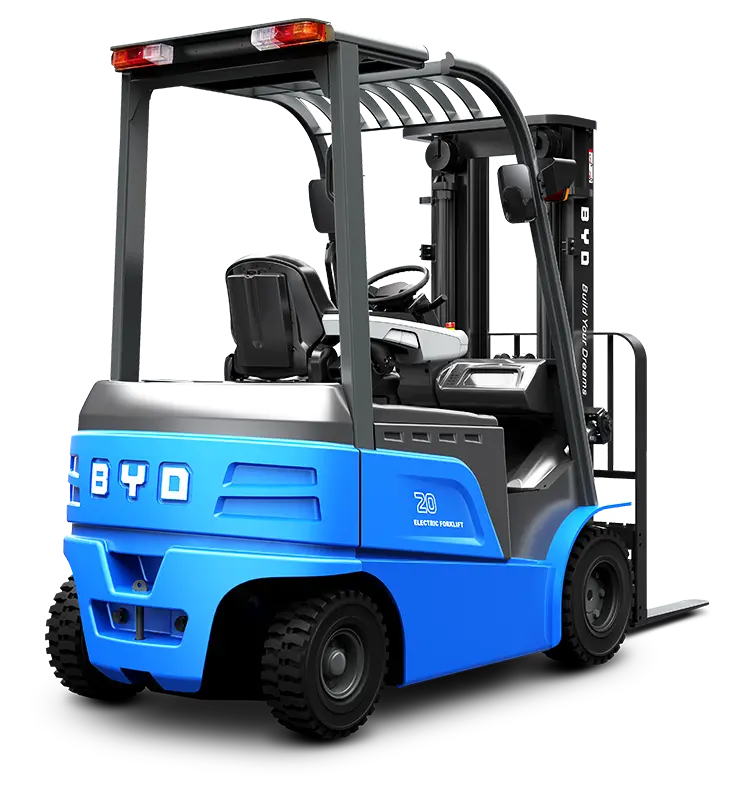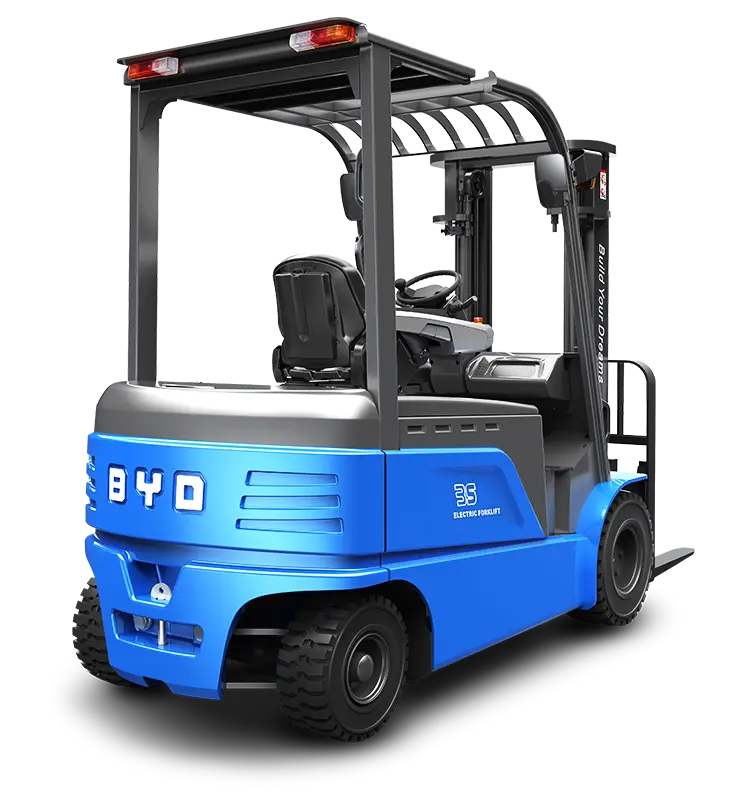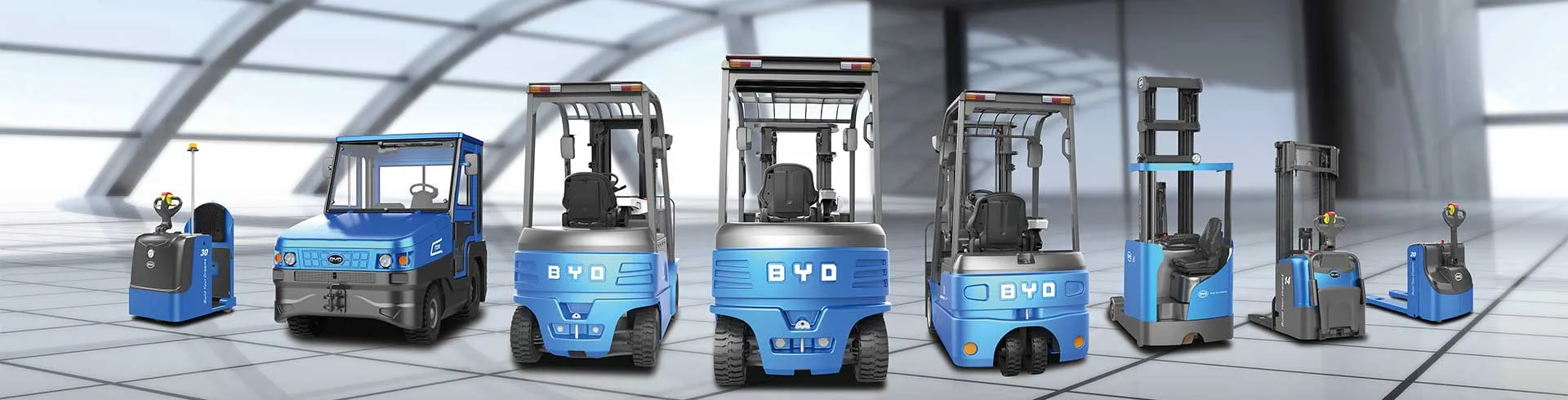
forklift operation is a core link of daily warehousing and logistics scenarios, and non-standard operations may easily trigger avoidable safety risks. As a professional new energy enterprise, Jian Shu New Energy specializes in the supply and after-sales service of BYD electric forklifts. We sort out 10 practical, verified forklift safety rules based on years of frontline industry service experience, to help all operators form standardized and safe operation habits.
1. Complete full pre-operation check before startup: Check the braking performance, steering flexibility, remaining battery power, tire wear condition and fork deformation status of the vehicle one by one, report any abnormal hidden dangers to the management in time, and never drive the vehicle with known faults.
2. Strictly avoid overload operation: Operators need to refer to the rated load capacity marked on the forklift nameplate completely, never carry overweight or unbalanced stacked goods, to prevent potential risks of vehicle rollover or goods falling during moving.
3. Wear full set of required protective equipment: Operators must put on safety helmets, non-slip work shoes and other designated protective supplies before getting on the vehicle, and do not wear loose, dangling clothes that are easy to hook with the vehicle moving structure.
4. Control driving speed within safe range: Run at a low speed that meets the site speed limit in the working area, slow down in advance when passing intersections, pedestrian gathering areas and visual blind zones, and honk the horn gently to remind surrounding personnel of the approaching vehicle.
5. Refuse to carry irrelevant personnel: The forklift cab is only allowed for the certified operator, it is forbidden to carry other personnel without special safety protection facilities, to avoid accidental falling injuries.
6. Adjust working posture properly when handling goods: Tilt the gantry back appropriately when driving with loaded goods, keep the goods at a low position no more than 30cm from the ground, and never lift goods to a high height for long-distance driving.
7. Keep full attention to surrounding environment: Observe the site conditions all the time during operation, avoid potholes, steep slopes and sharp obstacles that may scratch the vehicle body, and maintain enough safe distance from surrounding shelves, stacked goods and passing personnel.
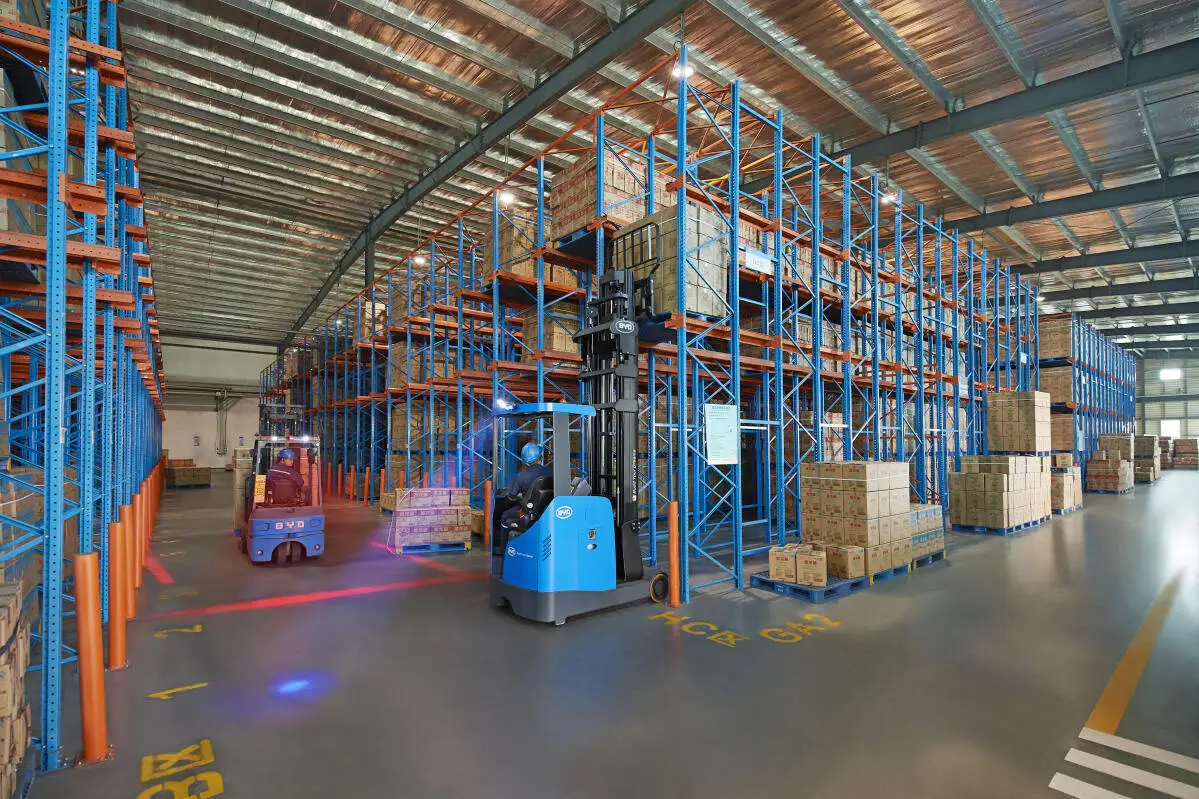
8. Follow standard parking procedures: When leaving the vehicle temporarily or after finishing work, be sure to lower the fork completely to the ground, pull up the hand brake, turn off the main power supply, and park the vehicle in the special designated parking area, never park the forklift on slopes, channel exits or fire fighting passages.
9. Obtain corresponding qualification before taking post: All forklift operators must pass formal safety operation training and assessment, and can only start formal work after obtaining valid operation qualification, unlicensed personnel are not allowed to operate the forklift without permission.
10. Arrange regular vehicle maintenance: Entrust professional maintenance personnel to conduct regular inspection and maintenance for electric forklifts, replace aging wearing parts in time, to keep the vehicle in good operating condition in long term.
Following these 10 safety rules can effectively reduce the occurrence probability of safety accidents in forklift operation, extend the service life of electric forklifts, and build a more stable and efficient working environment for the whole warehousing and logistics scenario.