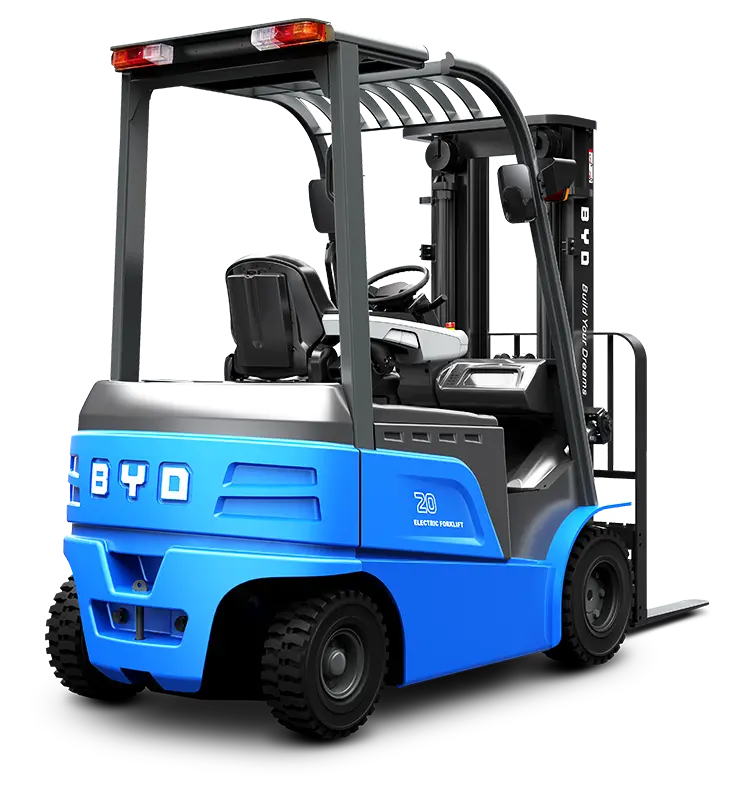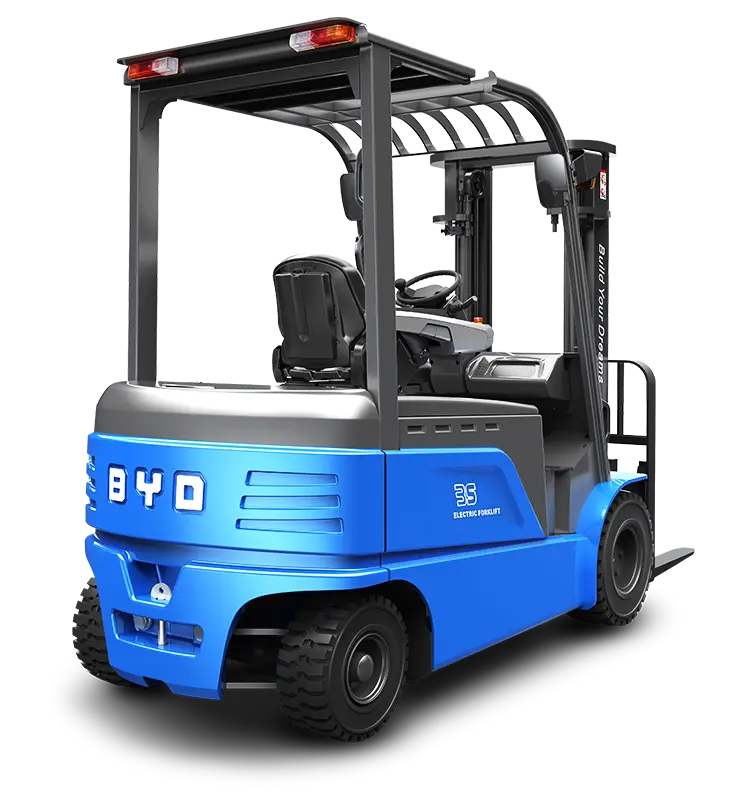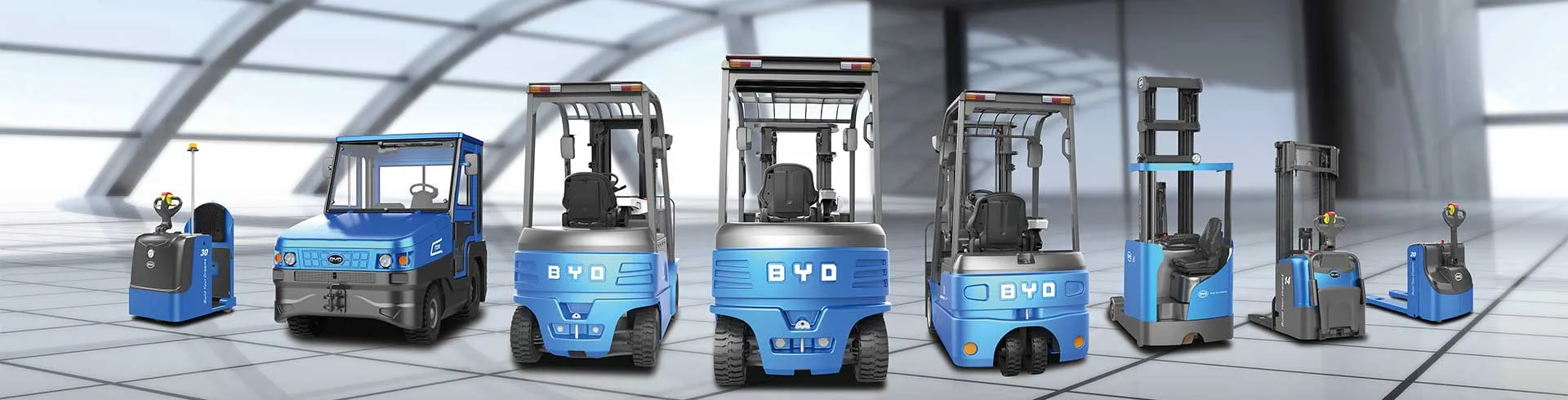
When planning to introduce or renew material handling equipment for warehouse, logistics and manufacturing scenarios, completing a systematic forklift hazards assessment before procurement is a core step to avoid subsequent operation risks, reduce safety accidents and meet local occupational health and safety regulatory requirements. This buyer’s guide sorts out practical, operable assessment logic for enterprise purchasers, to help you make scientific decisions in equipment selection and safety management.
First, it is necessary to clarify the basic scope of forklift hazards assessment in the preliminary stage. The assessment should cover full lifecycle links including equipment operation, daily maintenance, personnel operation specification matching and site environment adaptation. You can start with three core dimensions: first, the inherent safety performance of the equipment itself, second, the matching degree between equipment parameters and actual operation scenarios, third, the supporting safety training and after-sales service system provided by the supplier.
For electric forklift products that are widely used at present, there are exclusive assessment items that need extra attention different from traditional internal combustion forklifts. You need to check the performance stability of the power system, the effectiveness of the overload protection function, the response sensitivity of the emergency braking system, and the fire prevention performance of the battery pack, as well as the protection level of the whole vehicle adapted to humid, dusty or low-temperature working scenarios.
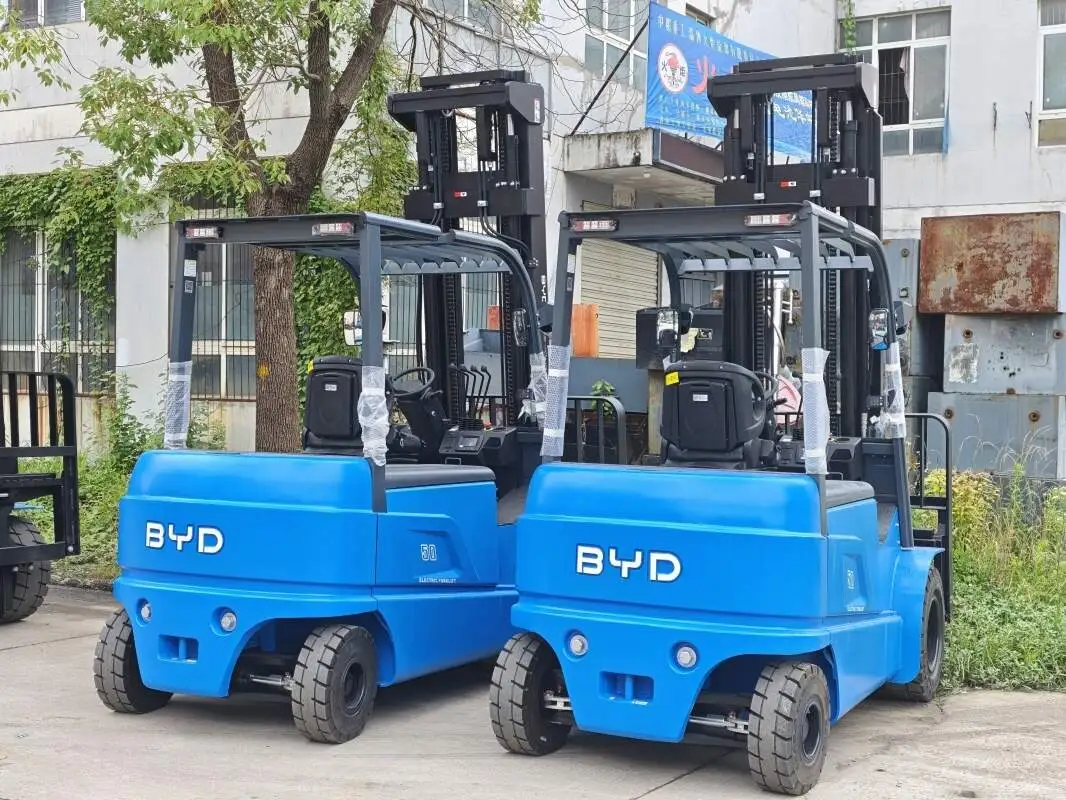
As a professional supplier focused on new energy material handling equipment, Jianshu New Energy specializes in BYD electric forklifts, and can provide targeted supporting safety assessment suggestions for different operation scenarios for purchasers. Our professional team will assist enterprises to complete the on-site hazard investigation before equipment procurement, match the most suitable model according to the actual operation height, load weight, passage width and personnel operation habit of the site, and provide regular follow-up safety inspection guidance after the equipment is put into use, to help enterprises establish a long-term dynamic forklift hazards assessment mechanism.
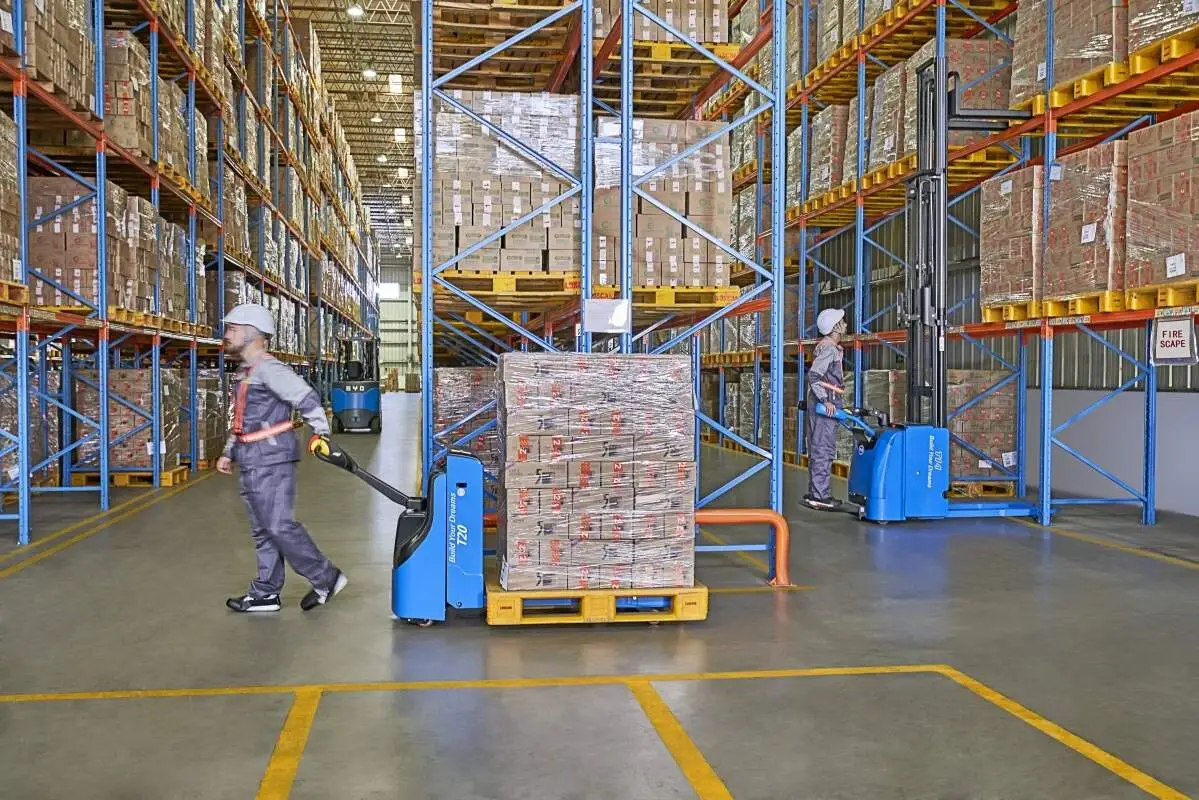
In the actual assessment process, purchasers should also avoid excessive pursuit of low cost while ignoring the safety performance reserve of products. It is recommended to arrange front-line operators, safety management personnel and equipment suppliers to participate in the assessment together, to fully collect potential hidden risks that may be overlooked in the single-person decision-making process. After completing the assessment, the formed hazard list can be dynamically updated once every quarter, to continuously adjust the safety operation specification of forklift operation, and steadily improve the overall safety level of on-site material handling.